
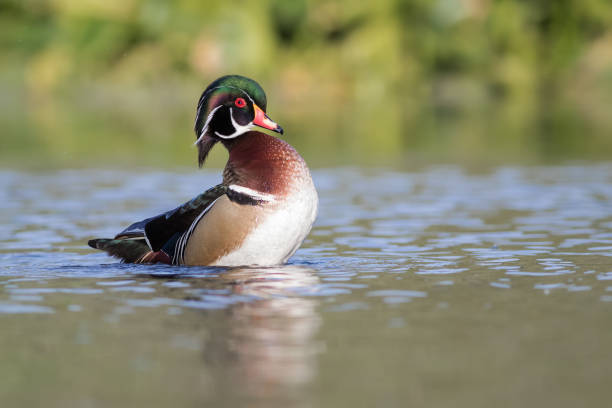
Domesticated ducks are among the most varied avian groups on the planet. From the glossy black plumage of the Pekin to the speckled elegance of the Indian Runner, each breed carries a distinct combination of genetic heritage, historical journey, and functional purpose that sets it apart from its feathered cousins. Understanding what makes a duck breed “unique” is not merely an exercise in curiosity; it has practical implications for breeding programs, animal welfare, disease management, and even public health.
In this guide we will explore the three pillars that define breed uniqueness—genetics, history, and purpose—and then delve into the practical side of that uniqueness: the health‑related causes, signs and symptoms, at‑risk breeds, life‑stage impacts, diagnostic approaches, treatment options, prognosis, prevention, nutrition, and zoonotic risks. By the end you will have a panoramic view of duck diversity and a toolbox of evidence‑based recommendations for caring for these remarkable birds.
1. Genetics of Duck Breeds
1.1 The Domestic Duck Genome
The modern domestic duck (Anas platyrhynchos domesticus) derives from the wild Mallard, yet selective breeding has reshaped its genome dramatically. Whole‑genome sequencing projects have identified ≈ 1.2 billion base pairs and roughly 15,000 protein‑coding genes. Within this genetic landscape, three categories of variation explain breed distinctiveness:
| Genetic Category | What It Controls | Example in a Breed |
|---|---|---|
| Pigmentation genes (e.g., MC1R, TYRP1) | Feather colour, patterns | The Crested duck’s “blue‑white” mottling |
| Growth‑related loci (e.g., IGF1, GH) | Body size, meat yield | The Pekin’s rapid weight gain |
| Behavioural alleles (e.g., DRD4) | Activity level, foraging style | The Indian Runner’s upright, “running” gait |
1.2 Inheritance Patterns
Most breed‑defining traits follow Mendelian inheritance, but many are polygenic. For instance, the crest in the Crested duck is a dominant mutation on the Crest locus, yet the size of the crest depends on modifier genes. Conversely, egg‑production (high in Khaki Campbell) is a quantitative trait regulated by dozens of loci, making selective breeding a multi‑generational effort.
1.3 Hybrid Vigor and Inbreeding Depression
Cross‑breeding two genetically distant lines can produce heterosis—larger eggs, stronger immune response, and faster growth. However, excessive inbreeding, common in small hobby flocks, leads to inbreeding depression, manifesting as reduced fertility, skeletal deformities, and increased susceptibility to viral diseases such as Duck Viral Enteritis (DVE).
2. Historical Development of Duck Breeds
2.1 Early Domestication (5th–12th centuries CE)
Archaeological evidence from China’s Yangtze River basin shows domesticated ducks were raised for meat and eggs as early as the Tang dynasty. The first true “breed” is thought to be the Pekin, exported to Europe in the 19th century via the Silk Road.
2.2 19th‑Century Breed Explosion
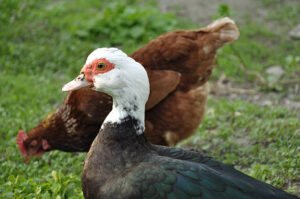
European and American breeders introduced systematic selection after the Industrial Revolution. The Aylesbury duck (UK) was bred for large size and a “tall” stance, while the Muscovy (originally from South America) gained popularity for its low‑maintenance nature and high‑quality meat.
2.3 20th‑Century Commercialization
The 1930s saw the rise of egg‑production breeds—the Khaki Campbell and Rouen—selected for high lay rates and efficient feed conversion. Post‑World War II, the American Pekin became the cornerstone of the global duck meat industry, accounting for > 70 % of worldwide duck meat production today.
2.4 Modern Genetic Conservation
In the last two decades, heritage duck breeds have gained attention from FAO and The Livestock Conservancy. Programs aim to preserve genetic reservoirs that may contain disease‑resistance alleles, climate‑adaptation traits, or unique culinary qualities.
3. Functional Purpose & Breed Specialization
| Purpose | Representative Breeds | Key Traits |
|---|---|---|
| Meat production | Pekin, Aylesbury, Muscovy | Fast growth, large breast muscle, broad bill |
| Egg production | Khaki Campbell, Indian Runner, White Runner | Early sexual maturity, high clutch size (≈ 300 eggs/yr) |
| Ornamental/Show | Call Duck, Crested, Swedish Blue | Unique plumage, decorative crests, calm disposition |
| Foraging & Pest Control | Mallard‑type, Rouen, Saxony | Strong diving ability, omnivorous diet, hardy |
| Dual‑purpose | Welsh Harlequin, Buff Orpington | Balanced meat & egg yields, adaptable temperament |
These functional categories often overlap; a dual‑purpose breed may excel in small‑scale farms where versatility outweighs specialization.
4. Phenotypic Traits that Define Uniqueness
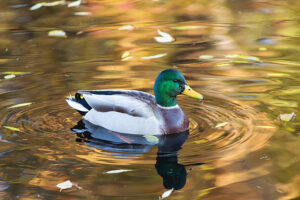
- Plumage Colour & Pattern – From the iridescent greens of the Mallard to the solid white of the Pekin, feather pigmentation is a visual hallmark of breed identity.
- Body Conformation – Body length, breast depth, and leg length influence both utility (e.g., meat yield) and locomotion style (e.g., runner’s upright posture).
- Crest & Feather Morphology – The Crested duck’s feather arrangement is unique among Anseriformes, caused by a mutation affecting feather follicle development.
- Behavioural Temperament – Some breeds are notably docile (e.g., White Runner), while others are highly active (e.g., Indian Runner).
- Vocalisation – “Quack” frequency varies; the Khaki Campbell’s soft, low‑pitched call is often considered a marker of the breed in flock settings.
5. Causes of Breed‑Specific Health Issues
5.1 Genetic Predisposition
- Crested Duck – Cerebellar Ataxia: The crest mutation can be linked with developmental defects in the vestibular system, causing wobbling gait.
- Muscovy – Hepatic Lipidosis: A predisposition for fatty liver when fed high‑energy grain diets typical for meat‑type breeds.
5.2 Selective Breeding Trade‑offs
Intense selection for rapid growth (Pekin) often compromises skeletal integrity, leading to leg deformities such as tibiotarsal valgus.
5.3 Environmental Stressors
- Poor ventilation can exacerbate respiratory infections (e.g., Mycoplasma anatis) in densely stocked egg‑production flocks.
- Water quality influences bacterial skin infections, especially in breeds that spend extensive time in open water (e.g., Rouen).
6. Signs and Symptoms of Breed‑Related Disorders
| Disorder | Typical Signs | Breeds Most Affected |
|---|---|---|
| Cerebellar Ataxia (Crested) | Unsteady gait, frequent falls, difficulty perching | Crested |
| Leg Deformities (Pekin, Aylesbury) | Swollen tibiotarsal joint, reluctance to walk, abnormal stance | Pekin, Aylesbury |
| Hepatic Lipidosis | Dull feathering, abdominal distension, reduced egg production | Muscovy, heavy‑weight meat breeds |
| Marek’s Disease‑like Lymphoma | Emaciation, swollen lymphoid organs, skin nodules | Mostly in commercial layers, but can affect Khaki Campbell |
| Duck Viral Enteritis (DVE) | Sudden death, hemorrhagic lesions, watery diarrhea | All breeds; high mortality in naïve flocks |
| Nutritional Deficiency (e.g., Vitamin A) | Eye lesions, poor feather quality, decreased immunity | Breeds on grain‑only diets (e.g., Pekin) |
Early detection hinges on routine flock health checks and an awareness of breed‑specific baselines.
7. Duck Breeds at Risk
7.1 Overview
While every duck breed can suffer from common avian diseases, certain breeds bear heightened vulnerability due to genetic, physiological, or management‑related factors. Recognizing these at‑risk breeds enables targeted biosecurity and husbandry measures.
7.2 Detailed Risk Assessment
- Pekin (Meat‑type) – The fast‑growth genotype predisposes Pekins to skeletal deformities, metabolic disorders (e.g., hepatic lipidosis), and heat stress because their thick plumage hampers thermoregulation. Commercial operations often mitigate these risks with controlled lighting, temperature‑regulated houses, and feed formulations low in excess lipids.
- Crested Duck (Ornamental) – The dominant crest gene is linked to cerebellar malformation, causing chronic ataxia. Although the condition is non‑lethal, it reduces mobility and can increase susceptibility to predation and footpad dermatitis due to prolonged standing. Management includes soft, non‑slippery flooring and regular physiotherapy‑style handling.
- Muscovy (Meat & Forage) – Muscovies possess a lower basal metabolic rate and a propensity for fatty liver when fed high‑energy grain diets typical of intensive poultry operations. They also harbor a natural resistance to many duck‑specific viruses but are more vulnerable to parasitic infestations (e.g., Heterakis gallinarum) under poor sanitation.
- Khaki Campbell (Egg‑production) – High oviposition rates demand extensive calcium and vitamin D, making Campbell ducks prone to egg‑binding and shell quality defects if dietary needs are not met. Their small size also makes them sensitive to cold stress, especially in regions with harsh winters.
- Indian Runner (Dual‑purpose) – Their upright stance places more stress on the tibiotarsal joint, leading to a higher incidence of osteochondrosis in rapidly growing juveniles. Runners also have an increased flight response, raising the risk of traumatic injuries in confined housing.
- Heritage Breeds (e.g., Welsh Harlequin, Saxony, Swedish Blue) – Though genetically diverse, these breeds often lack the disease‑resistance genes introduced into commercial lines through selective breeding. Consequently, they may experience higher mortality from zoonotic avian influenza strains and Mycoplasma infections when mixed with commercial flocks.
8. Affected Life‑Stage
| Life Stage | Typical Issues | Breed Examples |
|---|---|---|
| Embryonic | Hatchability problems (e.g., shell defects) | Khaki Campbell (thin shells) |
| Duckling (0‑8 weeks) | Leg deformities, respiratory infections | Pekin (fast growth → leg stress) |
| Juvenile (8‑20 weeks) | Ataxia (Crested), viral enteritis susceptibility | Crested, Muscovy |
| Adult (≥ 20 weeks) | Egg‑binding, fatty liver, chronic arthritis | Khaki Campbell, Muscovy |
| Senior (≥ 2 years) | Decline in immunity, osteoarthritis, neoplasia | All breeds, especially heavy‑weights |
Early‑life interventions—optimal incubation conditions, balanced starter feeds, and low‑stress brooding environments—greatly reduce the incidence of breed‑specific ailments later in life.
9. Diagnosis
- Clinical Examination – Observe gait, plumage condition, respiratory rate, and reproductive output. Breed‑specific baselines are essential (e.g., normal leg angle for Pekin).
- Laboratory Testing
- Blood Chemistry – Elevated AST/ALT indicates hepatic lipidosis (Muscovy).
- Serology – Detect antibodies against Duck Plague Virus (DPV) or Avian Influenza.
- PCR – Rapid identification of viral agents (DVE, Mycoplasma).
- Imaging
- Radiography – Assess leg alignment, bone density, and detect fractures.
- Ultrasound – Evaluate liver size and fatty infiltration, especially in Muscovy.
- Genetic Screening – Use PCR‑based markers for crest mutation or known susceptibility alleles (e.g., IGF1 for rapid growth disorders).
- Post‑mortem Examination – Histopathology can confirm viral inclusion bodies (DPV) or neoplastic lesions.
10. Treatment Strategies
| Condition | Therapeutic Approach | Breed‑Specific Considerations |
|---|---|---|
| Leg Deformities (Pekin, Aylesbury) | Orthopedic splinting, NSAIDs (e.g., meloxicam), controlled exercise | Weight management to reduce load on joints |
| Cerebellar Ataxia (Crested) | No cure; physiotherapy, soft flooring, anti‑stress environment | Avoid high‑traffic areas that increase fall risk |
| Hepatic Lipidosis (Muscovy) | Low‑fat diet, hepatic support (vitamin E, silymarin), occasional hepatic‑stimulating injections (e.g., choline) | Gradual diet transition; monitor body condition score |
| Egg‑Binding (Khaki Campbell) | Calcium supplementation, warm water bath, gentle abdominal massage, oxytocin injection if needed | Provide nesting boxes with appropriate depth to prevent premature laying |
| DVE (Duck Viral Enteritis) | Supportive care (fluids, electrolytes), isolation, vaccination of susceptible flocks | High‑density commercial layers require strict biosecurity |
| Mycoplasma (All breeds) | Tetracycline or macrolide antibiotics, environmental disinfection | Ensure water quality to reduce reinfection risk |
| Zoonotic Avian Influenza | Antiviral therapy (oseltamivir) for humans; culling of infected birds; vaccination where available | Strict PPE for handlers; avoid mixing wild waterfowl with domestic breeds |
Supportive care—adequate hydration, temperature control, and stress reduction—often determines prognosis as much as targeted pharmacologic treatment.
11. Prognosis and Potential Complications
- Leg Deformities – With early orthopedic intervention, 70‑80 % of affected Pekins recover functional mobility; however, chronic osteoarthritis may develop, reducing longevity.
- Cerebellar Ataxia – Prognosis is guarded; birds survive but remain prone to injuries, potentially shortening lifespan by 15‑20 %.
- Hepatic Lipidosis – If caught early, full recovery is possible; chronic cases may lead to cirrhosis, which is irreversible.
- Egg‑Binding – Prompt treatment is usually curative; delayed care can result in ovarian rupture and death.
- DVE – Mortality can reach 90 % in naïve flocks; survivors often suffer from immune suppression, making them vulnerable to secondary infections.
- Zoonotic Risks – Human infection can be severe, especially with highly pathogenic avian influenza (HPAI) strains; immediate containment and antiviral treatment are critical.
12. Prevention and Management
- Genetic Management – Maintain minimum effective population size (≥ 30 breeding individuals) to avoid inbreeding depression. Use outcrosses judiciously to introduce health‑promoting alleles.
- Environmental Hygiene –
- Dry bedding (e.g., pine shavings) reduces footpad dermatitis.
- Clean water sources prevent bacterial skin infections and parasitic loads.
- Ventilation of ≥ 0.5 air changes per hour minimizes respiratory pathogen buildup.
- Vaccination Programs – Administer DPV (Duck Plague) and DVE vaccines per manufacturer schedule; consider H5/H7 avian influenza vaccination in endemic regions.
- Nutritional Balance –
- Starter feed: 22‑24 % protein, balanced calcium/phosphorus (1.2/0.8).
- Grower feed: 18‑20 % protein, reduced energy for fast‑growth breeds to limit leg stress.
- Laying diet: 16‑18 % protein, calcium 4‑5 % (include oyster shells).
- Biosecurity – Footbaths, dedicated equipment, and quarantine of new birds for at least 21 days reduce introduction of pathogens.
- Regular Health Monitoring – Quarterly weight curves, egg production logs, and visual gait assessments enable early detection of breed‑specific deviations.
13. Diet and Nutrition Tailored to Breed
| Breed | Primary Production Goal | Optimal Feed Composition | Supplementary Items |
|---|---|---|---|
| Pekin | Meat (fast growth) | 22 % protein, 3 % calcium, 2 % methionine, moderate energy (2800 kcal/kg) | Vitamin E (antioxidant), occasional algae meal for omega‑3 |
| Khaki Campbell | Egg production | 16 % protein, 4 % calcium, 0.5 % vitamin D₃, 2700 kcal/kg | Oyster shell, fine limestone, probiotic (Bacillus subtilis) |
| Indian Runner | Dual‑purpose | 18 % protein, 3.5 % calcium, balanced B‑vitamins | Green forage (clover, alfalfa) for fiber, grit for digestion |
| Muscovy | Meat/forage | 18 % protein, 2.5 % calcium, lower energy (2600 kcal/kg) | Low‑fat oilseed meals, occasional insects for protein diversity |
| Crested | Ornamental | 16 % protein, 3 % calcium, high vitamin A (beta‑carotene) | Soft bedding, occasional leafy greens for antioxidants |
| Heritage (Welsh Harlequin, Saxony) | Conservation | 18 % protein, 3 % calcium, balanced minerals | Mixed grain‑legume mash, seasonal pasture access |
Feeding Frequency – Ducklings require ad libitum access for the first 4 weeks; older birds can be fed twice daily to encourage natural foraging behavior.
14. Zoonotic Risks Associated with Ducks
- Avian Influenza (AI) – Ducks are natural reservoirs for low‑pathogenic AI (LPAI) strains; mutations can generate high‑pathogenic AI (HPAI) that infects humans, causing severe respiratory illness. Biosecurity and routine testing are essential, especially on mixed‑species farms.
- Campylobacter jejuni – Frequently isolated from duck feces; handling raw duck meat without proper hygiene can lead to gastroenteritis in humans.
- Salmonella enterica – Contamination can occur through contaminated feed or water; proper cooking eliminates risk, but cross‑contamination in kitchens is a common source of human infection.
- Listeria monocytogenes – Survives in wet environments and can be transmitted via unpasteurized duck eggs; poses a serious threat to pregnant women and immunocompromised individuals.
- Parasites (e.g., Giardia, Cryptosporidium) – Waterborne protozoa shed in duck feces; exposure through recreational water bodies can cause diarrheal disease in humans.
Mitigation Strategies
- Personal Protective Equipment (PPE) for farm workers (gloves, boots, face masks).
- Handwashing with soap after handling birds or eggs.
- Separate equipment for ducks and other livestock.
- Regular testing of water sources for bacterial and viral pathogens.
Conclusion
Duck breeds embody a fascinating blend of genetic innovation, historical adaptation, and functional specialization that makes each lineage uniquely suited to particular roles—be it the rapid‑growing meat‑factory Pekin, the prodigious egg‑laying Khaki Campbell, or the ornamental Crested duck with its signature plume. Yet, these same defining characteristics can create breed‑specific health vulnerabilities, ranging from skeletal deformities to metabolic disorders.
A holistic approach—integrating genetic stewardship, environmental management, targeted nutrition, vigilant disease surveillance, and robust biosecurity—is essential to preserve the health and productivity of each breed while safeguarding public health from zoonotic threats. By recognizing the strengths and weaknesses encoded in every duck’s DNA and history, producers, hobbyists, and conservationists can make informed decisions that honor the diversity of these remarkable birds for generations to come.
#DuckBreeds, #DomesticDucks, #PekinDuck, #KhakiCampbell, #IndianRunner, #CrestedDuck, #MuscovyDuck, #DuckGenetics, #HeritageDucks, #DuckHealth, #AvianFlu, #ZoonoticRisk, #DuckNutrition, #EggProduction, #MeatProduction, #PoultryScience, #AnimalWelfare, #BackyardPoultry, #DuckConservation, #FarmBiosecurity, #DuckDiseases, #VeterinaryMedicine, #BirdLovers, #PoultryFarming, #SustainableAgriculture, #WildlifeHealth, #OneHealth, #DuckCare, #FeatheredFriends, #DuckLife, #DuckViralEnteritis
Add comment