
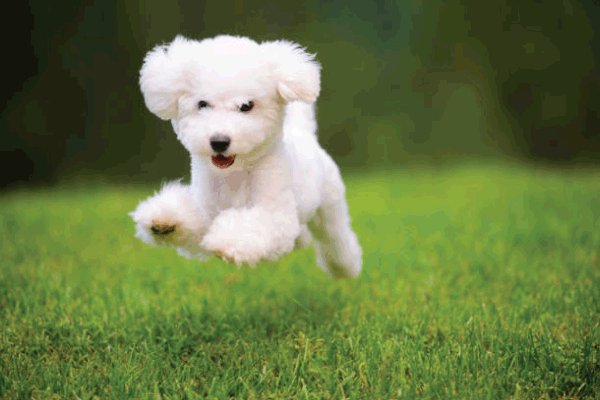
Bringing a puppy into your home is a joyous occasion, filled with boundless energy, adorable antics, and the promise of a loyal companion. However, this exciting initial phase is just the beginning of a rewarding journey. As your puppy matures, their needs, behaviors, and developmental stages will evolve, requiring adjustments in your training approach and understanding. This guide will walk you through what to expect as your puppy grows, offering insights and strategies to navigate each stage of their development effectively.
The Early Weeks: Foundation and Socialization (8-16 Weeks)
This is arguably the most crucial period for your puppy’s development. They are sponges, absorbing information about the world around them.
- Key Milestones:
- Critical Socialization Window: Puppies are most receptive to new experiences, people, and other animals. Positive exposure during this time is vital for developing a well-adjusted, confident adult dog.
- House Training: Consistency and positive reinforcement are key. Accidents will happen, but persistence pays off.
- Basic Obedience: Introducing commands like “sit,” “stay,” “come,” and “down” in short, fun sessions builds a strong foundation.
- Bite Inhibition: Puppies explore with their mouths. Teaching them to be gentle with their bites is essential.
- Leash Training: Getting them comfortable with a collar/harness and leash is a gradual process.
- What to Expect:
- High Energy Levels: Expect your puppy to be very active, requiring multiple play sessions and mental stimulation throughout the day.
- Chewing: This is a natural behavior for teething puppies. Provide appropriate chew toys and redirect them when they chew on forbidden items.
- Nipping and Play-Biting: While normal, this needs to be managed to prevent it from becoming a problem later.
- Brief Attention Spans: Keep training sessions short (5-10 minutes) and engaging to avoid overwhelming them.
- Potential for Fear: New noises, sights, or experiences can be frightening. Handle these situations with patience and positive reinforcement.
- Training Focus: Prioritize positive socialization, gentle handling, establishing a routine for potty breaks, and introducing basic commands with positive reinforcement. Avoid punishment-based methods, as they can create fear and anxiety.
The Adolescent Phase: Testing Boundaries (4-12 Months)
This is often compared to the human teenage years. Your puppy will likely test the rules you’ve established and may seem to regress in their training.
- Key Milestones:
- Physical Growth Spurt: Your puppy will grow significantly during this time, with changes in coordination and stamina.
- Hormonal Changes: As they approach sexual maturity, hormonal shifts can influence their behavior, leading to increased marking, restlessness, and a desire to roam.
- Continued Learning: While they may seem rebellious, they are still learning and can refine their existing skills.
- What to Expect:
- Increased Independence: They might start to ignore commands they used to follow readily.
- “Selective Hearing”: It can seem like they can’t hear you, especially when there are exciting distractions.
- More Chewing and Destructive Behavior: Boredom and excess energy are common culprits.
- Increased Vocalization: Barking, whining, and howling might become more prominent.
- Social Challenges: They might be overly boisterous or timid with other dogs.
- Mounting Behavior: This can be a sign of excitement, play, or dominance.
- Training Focus: Reinforce your established commands with increased consistency and higher-value rewards. Continue with socialization, but be mindful of their energy levels and potential for overstimulation. Consider enrolling in an intermediate obedience class to refine skills and provide structured socialization. If you haven’t already, discuss spaying/neutering with your veterinarian, as this can impact behavioral issues related to hormones.
The Young Adult Stage: Solidifying Habits (1-3 Years)
Your dog is now physically mature, but their behavior is still being shaped by their experiences and training. This is when the habits you’ve instilled will truly take root.
- Key Milestones:
- Full Physical Maturity: They have reached their adult size and strength.
- Behavioral Consolidation: Established routines and training will become more ingrained.
- Refined Social Skills: With continued positive exposure, they should be more comfortable and confident in social situations.
- What to Expect:
- More Predictable Behavior: They should be more settled and have a better understanding of house rules.
- Consistent Training Responses: They should reliably respond to commands, especially if practice is maintained.
- Potential for New Challenges: If certain issues were not addressed during adolescence, they might become more entrenched. This could include reactivity, anxiety, or continued destructive behavior if understimulated.
- Continued Need for Mental Stimulation: Even well-behaved dogs need ongoing mental engagement to prevent boredom and maintain cognitive health.
- Training Focus: Continue with regular training sessions, focusing on advanced obedience, impulse control, and problem-solving. This is a great time to explore dog sports like agility, scent work, or flyball, which provide excellent mental and physical outlets. Address any lingering behavioral issues with professional guidance if necessary.
Ongoing Development: Lifelong Learning
Dogs of all ages continue to learn and adapt. Even as they become mature adults, they benefit from ongoing training and enrichment.
- What to Expect:
- Life Changes: Major life events such as moving, a new baby, or a change in household members can impact your dog’s behavior.
- Aging: As dogs age, their energy levels may decrease, and they may experience physical limitations. Their training needs and exercise routines may need to be adjusted.
- Reinforcement is Key: Even the best-trained dogs benefit from occasional refresher courses and consistent reinforcement of good behavior.
- Training Focus: Adapt your training to your dog’s current needs and lifestyle. Continue to provide mental stimulation through puzzles, training games, and new experiences. If significant behavioral changes occur, consult with your veterinarian or a certified professional dog trainer.
Key Takeaways for a Smooth Transition:
- Consistency is Paramount: Enforce rules consistently, and ensure everyone in the household is on the same page.
- Positive Reinforcement is Your Best Friend: Reward desired behaviors with treats, praise, and play. Avoid harsh corrections, which can damage your bond and create fear.
- Patience and Understanding: Every dog learns at their own pace. There will be setbacks. Approach challenges with empathy and a willingness to adapt.
- Socialization is a Lifelong Process: Continue to expose your dog to new people, places, and well-behaved dogs throughout their life.
- Provide Adequate Physical and Mental Stimulation: A tired dog is a good dog. Ensure they have enough exercise and engaging activities to prevent boredom and destructive behaviors.
- Seek Professional Guidance When Needed: Don’t hesitate to consult a certified professional dog trainer or a veterinary behaviorist for persistent behavioral issues.
As your puppy matures, remember that building a strong, trusting relationship through consistent training and positive experiences is the most effective way to foster a well-behaved, happy, and well-adjusted canine companion for life.
#puppytraining, #dogtraining, #puppylife, #dogdevelopment, #puppylove, #dogadolescence, #socialization, #puppystages, #caninedevelopment, #dogbehavior, #positivepuppy, #trainingtips, #newpuppy, #dogsofinstagram, #puppytips, #dogeducation, #growingup, #dogtrainer, #puppymatters, #doglife







Add comment