
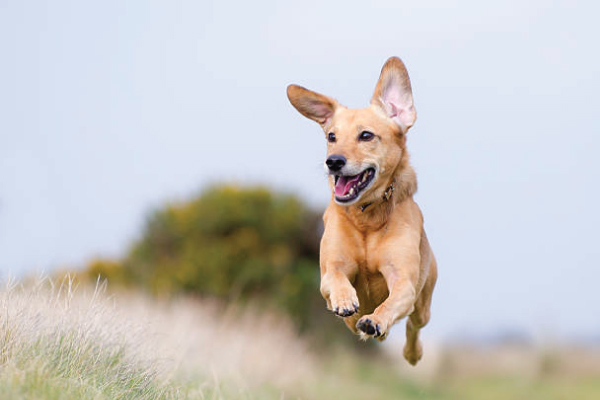
Bringing a new puppy into your home is an exciting and rewarding experience, but it also comes with a crucial responsibility: training. A well-trained puppy is a joy, while an untrained one can lead to frustration and potential behavioral issues down the line. Choosing the right puppy training class and trainer is pivotal to setting your furry friend up for success. This guide will walk you through the essential elements to consider when making this important decision.
I. Trainer Qualifications and Philosophy:
1. Experience and Credentials:
- Formal Education: Look for trainers with certifications from reputable organizations like the Certification Council for Professional Dog Trainers (CCPDT), the Karen Pryor Academy (KPA), or the Academy for Dog Trainers (ADT). These certifications indicate a commitment to ongoing education and professional standards.
- Experience with Puppies: Not all trainers specialize in puppy development. Ensure the trainer has specific experience working with young dogs and understands their unique developmental stages, learning capabilities, and common puppy behaviors.
- Continued Education: A good trainer stays current with the latest research in animal behavior and learning theory. Ask about their ongoing professional development.
2. Training Methodology:
- Positive Reinforcement: This is the gold standard for ethical and effective dog training. Look for trainers who exclusively use positive reinforcement methods, focusing on rewarding desired behaviors (e.g., with treats, praise, toys). This builds a strong bond and makes learning enjoyable for your puppy.
- Avoidance of Aversive Techniques: Steer clear of trainers who advocate or use punishment-based methods, such as choke chains, prong collars, shock collars, yelling, or physical corrections. These methods can cause fear, anxiety, aggression, and damage the trust between you and your dog.
- Understanding of Canine Body Language: A skilled trainer will be adept at reading and interpreting canine body language, helping you understand your puppy’s signals of stress, fear, confidence, and happiness. They should also teach you how to do the same.
- Focus on Building a Relationship: The best trainers emphasize building a strong, positive relationship between you and your puppy. Training should be about communication and cooperation, not dominance or control.
II. Class Structure and Environment:
1. Class Size and Socialization Opportunities:
- Small Class Sizes: Aim for classes with a limited number of puppies (ideally 4-8). This allows for more individual attention from the trainer and prevents puppies from becoming overwhelmed.
- Controlled Socialization: Puppy classes are an excellent opportunity for socialization. The trainer should manage interactions between puppies carefully, ensuring positive experiences and preventing fearful or aggressive encounters. They should also guide you on how to introduce your puppy to the wider world safely.
- Age Appropriateness: Ensure the class is specifically designed for puppies within a particular age range (e.g., 8-16 weeks). This ensures all puppies are at a similar developmental stage and have had their initial vaccinations.
2. Curriculum and Skills Taught:
- Foundation Skills: A good puppy class will cover essential obedience commands like sit, stay, come, down, and leave it.
- Problem-Solving: The curriculum should also address common puppy challenges such as house training, nipping, chewing, jumping, and leash manners.
- Management and Prevention: The trainer should provide strategies for managing your puppy’s environment and preventing unwanted behaviors from developing in the first place.
- Lifelong Learning: The focus should be on teaching you how to train your dog effectively, empowering you to continue their education beyond the class.
3. Class Environment and Logistics:
- Clean and Safe Facility: The training space should be clean, well-maintained, and free from distractions that could overwhelm young puppies.
- Appropriate Equipment: The trainer should use safe and humane training equipment.
- Vaccination Requirements: A reputable trainer will require proof of age-appropriate vaccinations for all participating puppies to ensure the health and safety of all dogs.
- Clear Communication and Support: The trainer should be approachable, willing to answer your questions, and provide ongoing support outside of class sessions.
III. Evaluating the Human Element:
1. Your Gut Feeling:
- Comfort Level: Trust your instincts. Do you feel comfortable with the trainer’s approach and personality? Do you feel confident in their ability to help you and your puppy?
- Communication Style: Does the trainer communicate clearly and respectfully? Do they listen to your concerns and explain things in a way you understand?
2. Trainer’s Relationship with Students:
- Observing Other Classes: If possible, observe a class in session or ask for references from previous clients. See how the trainer interacts with both the puppies and their owners.
- Empowerment, Not Dependence: A good trainer empowers you to be your puppy’s primary trainer. They should build your confidence and equip you with the skills you need.
IV. Questions to Ask a Potential Trainer/Class:
- What are your qualifications and certifications?
- What is your training philosophy and methodology?
- What methods do you not use?
- What is the typical class size?
- What age range are the puppies in your classes?
- What vaccinations are required?
- What specific skills will my puppy learn?
- How do you handle common puppy issues like nipping, house training, and socialization?
- What kind of support do you offer outside of class?
- Can I observe a class before signing up?
- What is the cost and duration of the class?
By carefully considering these aspects, you can find a puppy training class and trainer that will not only teach your puppy essential skills but also foster a lifelong bond built on trust, understanding, and positive reinforcement.
#puppytraining, #dogtraining, #positivereinforcement, #dogtrainer, #puppylove, #dogsofinstagram, #puppytrainingtips, #dogbehavior, #puppyclass, #socialization, #dogobedience, #puppylife, #dogtrainingadvice, #newpuppy, #dogtrainerlife, #positivepuppy, #happypuppy, #dogtraining101, #caninebehavior, #puppysocialization, #dogtrainingclass, #dogtrainingonline, #puppyeducation, #dogtrainingsecrets






Add comment