
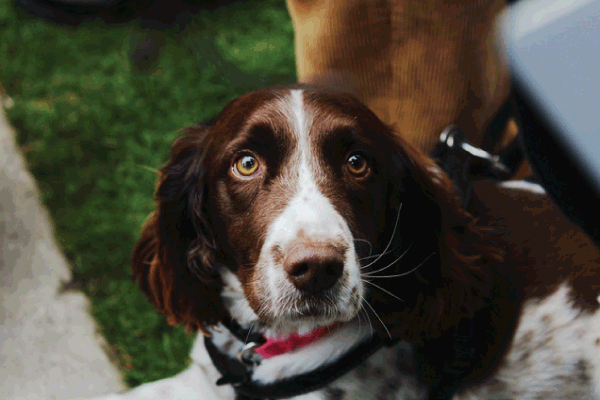
Your dog’s coat is far more than just a beautiful covering; it’s a dynamic, living organ that serves as a remarkable barometer of their overall health. Changes in its texture, appearance, and the condition of the skin underneath can often be the first visible signs of underlying health issues, ranging from simple nutritional deficiencies to complex internal diseases.
This comprehensive guide will elaborate on what your dog’s coat and skin can reveal, empowering you to better understand and act on these vital clues.
Introduction: The Coat as a Silent Communicator
Imagine your dog’s coat as a direct window into their internal well-being. A healthy coat isn’t just aesthetically pleasing; it’s a testament to robust health, good nutrition, and proper care. When things go awry inside, the coat often reflects these changes, sometimes even before other symptoms become apparent. Learning to “read” your dog’s coat and skin can provide invaluable early warnings, allowing for timely intervention and better health outcomes.
I. The Healthy Coat: Establishing a Baseline
Before you can identify problems, it’s crucial to understand what a healthy coat and skin should look and feel like. While variations exist based on breed, age, and individual genetics, general characteristics apply:
- Appearance:
- Lustrous and Shiny: Not overtly greasy, but with a natural sheen that reflects light. This indicates healthy oil production and light reflection from smooth hair shafts.
- Clean and Free of Debris: No mats, tangles, dirt, or visible parasites (fleas, ticks).
- Good Color: True to the dog’s breed and genetic coloring, without unexplained fading or discoloration.
- Even Distribution: Hair growth should be consistent across the body, without patchy areas, thinning, or bald spots.
- Texture:
- Soft and Supple: The hair should feel soft to the touch, not brittle, coarse, or excessively dry.
- Resilient: When stroked, the hair should spring back into place.
- Appropriate Density: The coat should be thick enough for the breed, without feeling sparse or thin.
- Shedding:
- Normal, Seasonal Shedding: All dogs shed. Some breeds shed constantly, others “blow their coat” seasonally. Normal shedding means a manageable amount of hair, often accompanied by new growth.
- No Excessive Clumping/Patchy Shedding: Hair should come out evenly, not in large tufts that leave bare patches.
- Skin Underneath:
- Clean and Pliable: The skin should be flexible, smooth, and move easily.
- Pale Pink or Pigmented: Depending on the dog’s breed and genetics, the skin can be pale pink or mottled with dark pigmentation. It should not be red, inflamed, bumpy, scaly, or oily.
- Odorless: Healthy skin has a very faint, neutral smell, or no smell at all.
II. Common Coat & Skin Issues and What They Might Indicate
Any deviation from the healthy baseline should prompt investigation. Here’s what specific changes might reveal:
A. Changes in Texture & Appearance
- Dull, Dry, Brittle Coat:
- What it looks like: Lacks shine, appears lifeless, feels rough, coarse, or breaks easily. Often accompanied by dry, flaky skin.
- What it might reveal:
- Nutritional Deficiencies: Most commonly, a lack of essential fatty acids (Omegas 3 & 6), high-quality protein, or certain vitamins (A, E, B-complex). Cheap, low-quality dog food is a common culprit.
- Dehydration: Insufficient water intake.
- Hypothyroidism: An underactive thyroid gland slows metabolism, affecting skin and hair follicle health. Often accompanied by lethargy, weight gain, and cold intolerance.
- Poor Grooming: Infrequent brushing or bathing with harsh shampoos can strip natural oils.
- Environmental Factors: Very dry air, excessive sun exposure.
- Greasy, Oily, or Waxy Coat:
- What it looks like: Hair feels slick or “dirty,” may appear clumpy, and often has a distinct, sometimes unpleasant, odor. There might be yellowish or brownish waxy buildup on the skin.
- What it might reveal:
- Seborrhea: A skin disorder causing excessive oil production (oily seborrhea or seborrhea oleosa). Can be primary (genetic, common in Cocker Spaniels, Basset Hounds) or secondary to allergies, parasites, or hormonal issues.
- Allergies (Food or Environmental): Inflammation can trigger increased oil production, often leading to secondary bacterial or yeast infections.
- Yeast (Malassezia) Infection: Often secondary to allergies, these thrive in oily environments and produce a distinct “musty” or “corn chip” smell.
- Bacterial Skin Infection (Pyoderma): Can cause greasy patches, redness, and pustules.
- Hormonal Imbalances: Less common than dry coat, but some adrenal gland disorders can affect oil production.
- Patchy Hair Loss (Alopecia) or Thinning Coat:
- What it looks like: Areas of complete hair loss, thinning patches, or a generally sparse coat. Skin underneath may be red, flaky, or darkened.
- What it might reveal:
- Parasites:
- Fleas & Ticks: Intense itching leads to scratching, licking, and biting, causing localized hair loss and skin trauma. Flea allergy dermatitis (FAD) can cause severe reactions from even a single bite.
- Mites (Demodex, Sarcoptes): Mange mites cause intense itching, redness, scabbing, and significant hair loss. Demodex often presents as localized patches in puppies, while Sarcoptic mange (scabies) is intensely itchy and contagious.
- Ringworm: A fungal infection (not a worm) that causes circular patches of hair loss, redness, and scaling.
- Allergies: Chronic itching from food or environmental allergies leads to self-trauma (scratching, licking, rubbing), causing hair loss and secondary infections.
- Hormonal Imbalances:
- Hypothyroidism: Often causes symmetrical hair loss on the flanks, tail (“rat tail”), and neck, with a dull, dry coat but without itching.
- Cushing’s Disease (Hyperadrenocorticism): Excessive cortisol production leads to symmetrical hair loss (often on the torso), thin skin, pot-bellied appearance, increased thirst/urination.
- Sex Hormone Imbalances: Less common, but imbalances in estrogen or testosterone can cause hair loss.
- Stress or Behavioral Issues: Excessive licking (e.g., lick granulomas) due to anxiety, boredom, or pain can cause localized hair loss.
- Genetic Conditions: Some breeds are prone to pattern baldness or follicular dysplasia.
- Pressure Sores: Hair loss over prominent bony areas in older or less mobile dogs.
- Parasites:
- Matted or Tangled Coat:
- What it looks like: Severely knotted and clumped hair, often pulling on the skin.
- What it might reveal:
- Lack of Grooming: The most common cause, especially in long-haired or double-coated breeds.
- Pain/Mobility Issues: A dog in pain (e.g., arthritis, back injury) or with limited mobility may be unable to groom themselves effectively, leading to matting, especially in hard-to-reach areas. This is a crucial clue.
- Fear/Anxiety: A dog that is fearful or anxious about being brushed will often develop mats.
B. Skin Issues (Underneath the Coat)
Always part the fur and examine the skin directly.
- Flaky, Scaly, or Dandruff-Ridden Skin:
- What it looks like: White or yellowish flakes accumulate on the coat or skin, similar to human dandruff. Skin may appear dry, red, or inflamed.
- What it might reveal:
- Dry Skin: Often due to low humidity, harsh shampoos, or nutritional deficiencies (especially fatty acids).
- Allergies: Inflammation from environmental or food allergies can lead to flaky skin.
- Parasites: Flea dirt, mite infestations (like walking dandruff from Cheyletiella mites), or lice can cause scaling.
- Primary Seborrhea Sicca: A dry form of seborrhea where skin cells are overproduced and shed quickly.
- Yeast or Bacterial Infections: These can cause scaling and inflammation.
- Hypothyroidism: Can contribute to dry, flaky skin.
- Redness, Inflammation, or Hot Spots:
- What it looks like: Areas of red, inflamed skin which may be warm to the touch. Hot spots (acute moist dermatitis) are rapidly developing, painful, oozing, circular lesions.
- What it might reveal:
- Allergies: The most common cause. The dog scratches, licks, or chews due to intense itchiness, leading to inflammation and skin breaks.
- Parasites: Bites from fleas, mites, or ticks cause direct irritation and allergic reactions.
- Infections: Bacterial (pyoderma) or yeast infections (Malassezia) often cause redness and inflammation, often secondary to allergies or parasites.
- Irritant Contact Dermatitis: Contact with irritating substances (e.g., certain plants, harsh cleaning chemicals).
- Fungal Infections: Ringworm can cause red, circular lesions.
- Bumps, Lumps, Lesions, or Scabs:
- What it looks like: Anything from small pimples (pustules) and crusts to larger masses or open sores.
- What it might reveal:
- Infections:
- Bacterial (Pyoderma): Pustules, crusts, redness, hair loss.
- Fungal (Ringworm): Raised, red, circular lesions with scaling and hair loss.
- Yeast: Greasy, red, sometimes bumpy skin, often with a distinct odor.
- Parasites: Flea bites can cause small red bumps. Mites cause crusts and scabs.
- Allergies: Chronic scratching and licking can lead to secondary infections, scabs, and skin thickening.
- Immune-Mediated Diseases: Less common, but conditions like pemphigus can cause blistering and crusting.
- Tumors/Cysts: Lumps under or on the skin can be benign (fatty lipomas, sebaceous cysts) or malignant (various types of cancer). Any new lump should be evaluated by a vet.
- Insect Bites/Stings: Localized swelling and redness.
- Infections:
- Unusual Odor:
- What it smells like: Not just “doggy,” but a distinct, persistent, and unpleasant smell.
- What it might reveal:
- Yeast Infection (Malassezia): Often described as “musty,” “corn chips,” or “yeasty bread.” Very common with allergies.
- Bacterial Infection (Pyoderma): Can smell “rotten,” “sour,” or “fetid.”
- Seborrhea: The oily buildup itself often has a rancid or strong “doggy” smell.
- Anal Gland Issues: A strong, fishy odor, especially around the hindquarters.
- Dental Disease: Bad breath can sometimes permeate the entire dog, especially after licking themselves.
- Poor Grooming/Filth: Lack of bathing, especially in dogs who get dirty often.
C. Excessive Shedding
- What it looks like: Much more hair than usual, not explained by seasonal “blowing” of the coat.
- What it might reveal:
- Stress: Sudden stress (moving, new pet, vet visit) can cause acute shedding.
- Nutritional Deficiencies: Lack of quality protein, fatty acids, or vitamins can weaken hair follicles.
- Parasites: Fleas, mites.
- Allergies: Chronic itching and inflammation can lead to hair loss and excessive shedding.
- Hormonal Imbalances: Hypothyroidism can lead to a sparse, shedding coat.
- Internal Illness: Systemic diseases put stress on the body, diverting resources away from hair health.
- Post-Pregnancy or Lactation: Hormonal shifts can cause significant shedding.
- Medication Side Effects: Some drugs can cause increased shedding.
D. Itching, Scratching, Licking, or Chewing:
- What it looks like: Persistent and noticeable scratching, licking, chewing, or rubbing of the body.
- What it might reveal:
- The most common symptom of:
- Allergies: Environmental (atopy), food, or flea allergy dermatitis.
- Parasites: Fleas, mites, lice.
- Infections: Bacterial or yeast infections thrive on inflamed skin and cause intense itch.
- Dry Skin: Simple dryness can be itchy.
- Pain or Discomfort: A dog may lick or chew excessively at an area of pain (e.g., an arthritic joint, an injured paw, anal gland discomfort).
- Behavioral/Stress: Compulsive licking (e.g., lick granuloma) due to anxiety, boredom, or obsessive behavior.
- The most common symptom of:
III. Underlying Causes: Why These Changes Happen
Understanding the root cause is critical for effective treatment.
- Nutritional Deficiencies: A diet lacking in high-quality protein, essential fatty acids (Omega-3 and Omega-6), and vitamins (especially A, E, B-complex, zinc) directly impacts skin and coat health. Poor-quality food is a leading cause of dull coats and flaky skin.
- Parasites: Fleas, ticks, mites (Sarcoptic, Demodectic, Cheyletiella), and lice cause direct irritation, allergic reactions, and can transmit diseases.
- Allergies:
- Environmental (Atopy): Reactions to pollen, dust mites, molds, grass, etc. Often seasonal but can be year-round.
- Food Allergies: Reactions to specific proteins (chicken, beef, dairy are common culprits), grains, or other ingredients. Symptoms often include skin issues, ear infections, and sometimes gastrointestinal upset.
- Flea Allergy Dermatitis (FAD): An intense allergic reaction to flea saliva, where even a single bite can trigger severe itching.
- Hormonal Imbalances:
- Hypothyroidism: Underactive thyroid gland leading to decreased metabolism, affecting hair growth, skin cell turnover, and oil production.
- Cushing’s Disease (Hyperadrenocorticism): Overproduction of cortisol, which thins the skin and causes hair loss.
- Sex Hormone Imbalances: Less common but can affect hair cycles.
- Internal Diseases:
- Kidney or Liver Disease: Organ dysfunction can lead to toxin buildup, affecting skin and coat health.
- Cancer: Some cancers can manifest with skin lesions, hair loss, or a generally poor coat.
- Autoimmune Diseases: The immune system attacks the body’s own cells, leading to severe skin issues (e.g., pemphigus).
- Stress and Behavioral Issues: Anxiety, boredom, or compulsive disorders can lead to excessive licking or chewing (acral lick dermatitis), resulting in localized hair loss and skin damage.
- Environmental Factors: Low humidity, harsh climates, excessive sun exposure, or contact with irritating chemicals can affect skin and coat.
- Poor Grooming Habits: Insufficient brushing leads to mats. Using human shampoos or bathing too frequently with harsh products can strip natural oils.
- Age: Older dogs may naturally have a slightly thinner or duller coat due to decreased metabolism, but significant changes should still be investigated.
IV. What You Can Do: Owner’s Role & Action Steps
You are your dog’s first line of defense!
- Regular Observation:
- Daily “Pet Check”: Run your hands over your dog’s entire body daily. Feel for bumps, mats, tenderness, unusual textures.
- Visual Inspection: Look for redness, flakes, parasites, hair loss, or changes in coat sheen.
- Smell Check: Pay attention to any unusual odors from the skin or ears.
- Proper Grooming:
- Regular Brushing: The frequency depends on your dog’s coat type. Brushing distributes natural skin oils, removes dead hair and dirt, and stimulates circulation.
- Appropriate Bathing: Bathe only when necessary, using a veterinarian-recommended dog shampoo. Over-bathing or using harsh products can strip natural oils.
- Professional Grooming: For breeds with complex coats, regular professional grooming is essential to prevent matting and manage coat health.
- High-Quality Nutrition:
- Premium Dog Food: Feed a complete and balanced diet appropriate for your dog’s age, size, and activity level. Look for high-quality protein sources and healthy fats.
- Omega Fatty Acid Supplements: Many vets recommend fish oil (Omega-3) or other omega supplements to support skin and coat health, especially for dry coats or dogs with allergies.
- Parasite Prevention:
- Year-Round Protection: Use veterinarian-prescribed flea, tick, and heartworm prevention year-round. This is crucial for preventing a myriad of skin issues and serious diseases.
- Stress Management: Identify and minimize stressors in your dog’s environment. Provide adequate exercise, mental stimulation, and a stable routine.
- Regular Veterinary Check-ups: Annual or semi-annual vet visits are vital for early detection of underlying health issues. Your vet can perform blood tests to check for hormonal imbalances or organ dysfunction.
- When to See the Vet: Don’t delay! Consult your veterinarian if you notice:
- Persistent or worsening itching, scratching, or licking.
- Rapid onset of hair loss or bare patches.
- Any new lumps, bumps, or sores.
- Red, inflamed, painful, or very oily/flaky skin.
- A sudden, noticeable, and persistent bad odor.
- A dull, dry coat that doesn’t improve with dietary changes or brushing.
- Any coat or skin change accompanied by other signs of illness (lethargy, changes in appetite/thirst, weight changes).
Conclusion: Your Dog’s Health, from the Outside In
Your dog’s coat and skin are powerful indicators of their overall health. By being observant, providing proper care, and seeking timely professional advice, you can address issues before they escalate and ensure your beloved companion enjoys a healthy, comfortable, and vibrant life. Remember, a glossy coat isn’t just about beauty; it’s a reflection of well-being from the inside out.







Add comment