
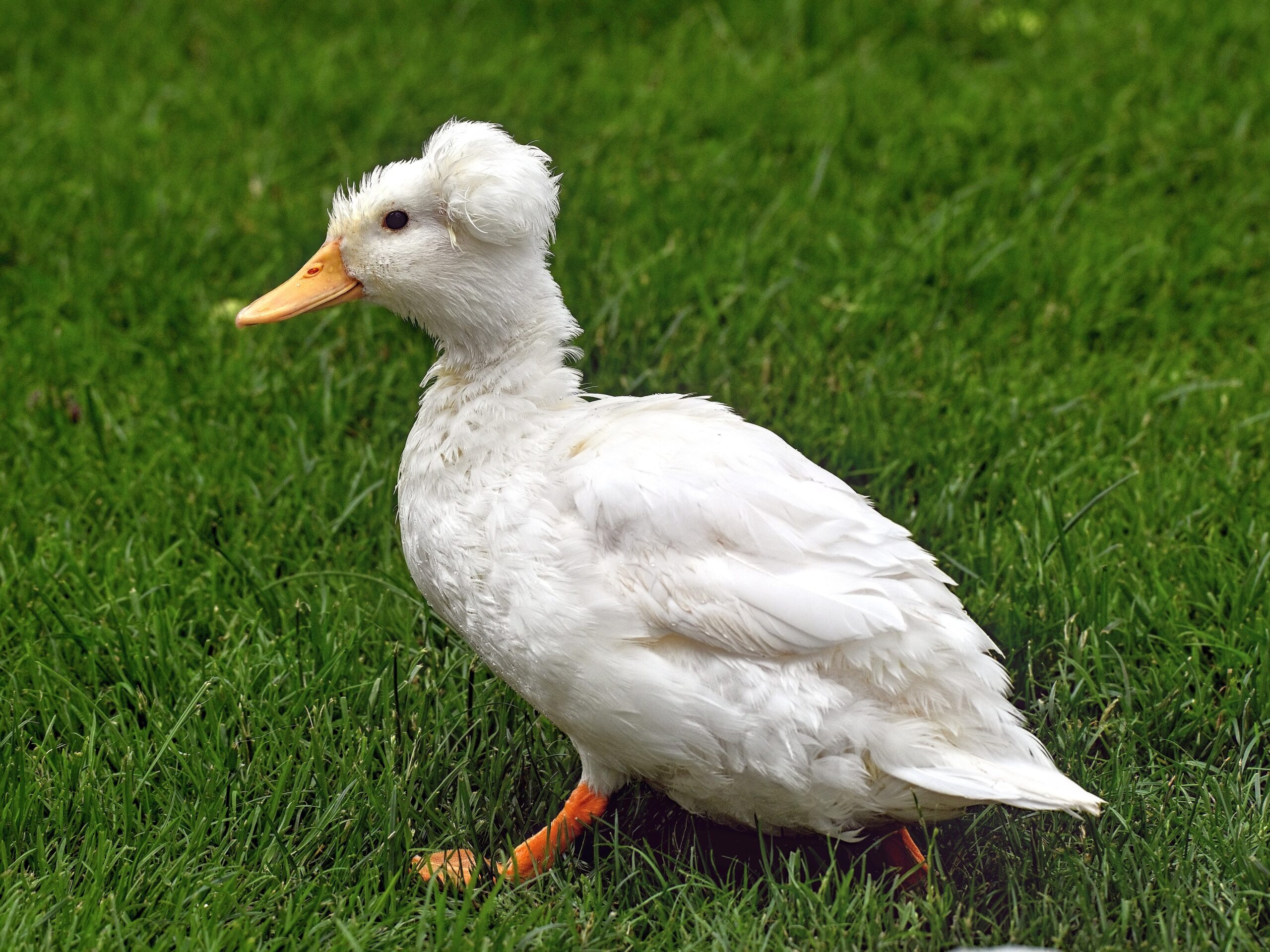
The White Crested Duck is a visually striking and highly ornamental domestic duck breed known for its elegant appearance, distinctive head crest, and calm disposition. Often found in backyard flocks, aviaries, and ornamental ponds, this breed is cherished not only for its beauty but also for its gentle temperament and minimal noise levels. While it shares some ancestry with the Pekin duck, the White Crested Duck stands apart due to its unique cranial feature—the prominent white crest of feathers atop its round head.
Originally developed for its aesthetic appeal, this breed is not typically raised for meat or egg production, although it does lay a moderate number of eggs. Its most notable characteristic—the crest—is the result of a genetic mutation that affects skull development, giving rise to its signature feature but also carrying certain health implications if not managed correctly.
White Crested Ducks are ideal for hobbyists, urban homesteaders, and small-scale poultry keepers seeking a quiet, manageable, and visually captivating bird. Their compact size and non-migratory nature make them excellent candidates for enclosed environments, including backyard coops and secure ponds. Despite their delicate appearance, they are hardy enough to adapt to a variety of climates when provided with proper care.
This guide dives deeply into every facet of the White Crested Duck, from its physical attributes and historical roots to reproductive patterns, environmental needs, and economic relevance. Whether you’re a beginner enthusiast or a seasoned breeder, this resource will equip you with the knowledge necessary to understand, appreciate, and successfully care for this unique breed.
Other Names & Synonyms
The White Crested Duck is known by several alternate names, reflecting its regional recognition and visual traits. These synonyms include:
- Crested White Duck
- Polish Crested Duck (often confused with the Polish chicken, but unrelated)
- Crested Pekin Duck (due to its likely Pekin ancestry)
- Ornamental Crested Duck
- White Crested Pekin Hybrid (when crossbred)
- Tufted Duck (rarely and inaccurately—this can refer to the Aythya fuligula, a wild diving duck)
While “White Crested Duck” is the most widely accepted and descriptive name, these alternate terms may appear in poultry catalogs, breeding circles, or historical texts. However, to avoid confusion, it is best to use the standardized name when discussing the breed officially.
Primary Breed Purpose
The White Crested Duck is primarily an ornamental breed, bred and kept for aesthetic appeal rather than utility purposes. Its main roles include:
- Backyard Pet or Companion: Due to its docile nature and quiet quack, it is ideal for families and urban environments.
- Exhibition and Show Purposes: Frequently featured in poultry shows for its striking appearance and correct crest formation.
- Educational Display: Used in schools, nature centers, and zoos to teach about avian genetics and responsible animal care.
- Garden and Pond Ornamentation: Enhances the visual appeal of outdoor spaces without being a nuisance.
Although it lays eggs and has edible meat, it is not bred or recommended for commercial egg or meat production. Its low egg yield and small carcass size make it inefficient compared to layers like Khaki Campbells or meat breeds like Pekins. The breed’s chief value lies in its visual charm and unique genetic traits.
Physical Characteristics
The White Crested Duck is easily identified by its snow-white plumage and signature crest. Key physical features include:
- Plumage: Pure white feathers covering the entire body, often with a soft, fluffy texture.
- Crest: A spherical, cotton-like puff of feathers arising from a bony protuberance on the skull (the cranial dome). The crest is usually symmetrical and full, measuring 2–4 inches in diameter.
- Head Shape: Rounded and broad, with a flat crown where the crest emerges.
- Bill: Yellowish-orange, medium-length, and slightly curved. The bill should be smooth and free of blemishes.
- Eyes: Dark brown, prominent, and expressive.
- Neck: Medium-length, gracefully curved.
- Body: Compact, rounded, and well-rounded, with a horizontal stance.
- Legs and Feet: Orange-yellow, set moderately wide for balance. Webbed feet are typical of dabbling ducks.
- Posture: Upright but relaxed, with a calm bearing.
According to the American Poultry Association (APA) and The Poultry Club of Great Britain, the crest is the focal point of breed standard evaluation. A full, centered crest without hanging feathers or bald spots is highly desirable.
Weight & Growth Curve
White Crested Ducks are relatively small, making them easy to handle and suitable for confined spaces. Their typical weight and growth milestones are:
- Hatchlings (0–1 week): 35–45 grams
- 2 weeks: 100–150 grams
- 4 weeks: 300–400 grams
- 6 weeks: 600–800 grams
- 8 weeks: 900–1,100 grams
- Mature Weight (Adults):
- Male (Drake): 3.5–4.5 lbs (1.6–2.0 kg)
- Female (Duck): 3.0–4.0 lbs (1.4–1.8 kg)
Females tend to mature slightly faster than males. Growth rates can vary based on diet, genetics, and environmental conditions. Proper nutrition during the first 8 weeks is crucial for healthy crest development and skeletal formation.
Climatic Tolerances
White Crested Ducks are adaptable to a wide range of climates, though they perform best in temperate to mild conditions. Their dense feathering offers insulation against cooler weather, but their lack of heavy body mass makes them less cold-hardy than larger breeds.
- Cold Tolerance: Can withstand temperatures down to 20°F (-6°C) if provided with a dry, draft-free shelter and supplemental bedding (e.g., straw or wood shavings). Ice-free water is essential.
- Heat Tolerance: Struggles in high heat (>90°F / 32°C) due to limited heat dissipation. Access to shade, cool water for dabbling, and ventilation is critical.
- Humidity: Moderate humidity is acceptable, but damp, poorly ventilated coops increase the risk of respiratory infections.
- Rain & Wet Conditions: Their feathers are naturally waterproof, but constant exposure to muddy grounds can lead to foot rot or bumblefoot.
During extreme weather, supplemental care such as heat lamps (in winter) or frozen water bottles (in summer) can help maintain health. Avoid housing them in exposed, windy, or flood-prone areas.
Reproduction & Egg Production
While not prolific layers, White Crested Ducks do produce eggs. Their reproductive profile includes:
- Egg Laying Age: Begins at 5–7 months, slightly later than utility breeds.
- Egg Production: 60–100 eggs per year, depending on genetics and management.
- Egg Size: Medium to large (2.25–2.5 oz / 65–70g).
- Egg Color: White or slightly tinted cream.
- Eggshell Quality: Generally strong, though thinner than commercial layers.
- Broodiness: Occasional; some hens display maternal instincts and may sit on eggs.
- Hatching Success: Moderate. Due to the crest gene, hatch rates can be lower, and some ducklings may die due to skull deformities.
Breeding pairs should be carefully selected to reduce the risk of genetic defects. Avoid mating two crested ducks (CxC), as this increases the likelihood of lethal crested gene homozygosity. The ideal pairing is crested (Cx) × non-crested (cx), yielding 50% crested offspring without lethal complications.
Flying Ability
White Crested Ducks are non-fliers and flightless due to several factors:
- Body Conformation: Compact, rounded bodies with short wings limit lift.
- Weight Distribution: Heavier anterior (front-heavy) build due to head crest disrupts balance.
- Domestication: Generations of selective breeding have eliminated flight instincts.
- Wing Clipping Not Required: Unlike Muscovies, they do not require wing trimming.
While they may flutter or jump short distances (up to 12–18 inches), they cannot achieve sustained flight. This makes them easy to contain in low-fenced enclosures (2–3 feet high). However, they still enjoy water and will paddle actively in shallow pools.
Breed History & Origin
The exact origins of the White Crested Duck are not fully documented, but it is widely believed to have been developed in Europe during the 18th or 19th century through selective breeding of white domestic ducks—likely descendants of the Pekin duck.
The crest is the result of a dominant autosomal mutation (C gene) that causes a bony skull protuberance covered by a feathered tuft. This trait appears in various bird species but was stabilized in ducks through human intervention.
Historically, the breed gained popularity among European nobility and Victorian-era poultry fanciers who prized unusual and ornamental traits. It became a staple in ornamental waterfowl collections and was later introduced to North America by immigrant breeders.
Although not recognized by the American Poultry Association (APA), it is accepted by many poultry associations and fancy fowl registries as a legitimate ornamental variety. Conservation efforts are ongoing due to its niche status and vulnerability to genetic issues.
Life Expectancy
With proper care, White Crested Ducks can live 8–12 years on average. Some individuals have been known to reach 15 years, particularly in predator-free, low-stress environments.
Factors influencing lifespan include:
- Diet quality
- Housing safety
- Veterinary care
- Genetic health (especially crest-related defects)
- Predator protection
- Clean water and sanitation
Regular health checks, parasite control, and balanced nutrition are essential for longevity. Ducks that survive the critical first 8 weeks often thrive into adulthood.
Common Health Issues
While generally healthy, White Crested Ducks are predisposed to several medical conditions, many linked to their unique genetics:
- Crest-Related Neurological Defects:
- Homozygous (C/C) embryos often die in the shell due to severe skull and brain malformations.
- Surviving double-crested ducks may suffer from balance issues, seizures, or early death.
- Bumblefoot:
- Caused by bacterial infection (Staphylococcus) entering through footpad cuts.
- Prevent with clean, soft bedding and avoiding rough surfaces.
- Respiratory Infections:
- Aspergillosis or fowl cholera in damp, poorly ventilated coops.
- Ensure dry housing and fresh air circulation.
- Vitamin Deficiencies:
- Niacin Deficiency: Leads to leg weakness and curled toes in ducklings. Supplement with brewer’s yeast.
- Vitamin E & Selenium Deficiency: Causes “wry neck” or torticollis.
- Internal Parasites:
- Worms (roundworms, gapeworms) from contaminated soil or water.
- Regular deworming (every 3–6 months) is advised.
- Eye Infections:
- Often due to dust, ammonia, or injury. Keep bedding clean and avoid overcrowding.
- Heat Stress:
- Panting, lethargy, and reduced appetite in high temperatures.
- Provide shade, cool water, and misting systems.
Preventive care, including quarantining new birds, maintaining hygiene, and providing a balanced diet, is key to minimizing health risks.
Breeding & Genetics – Tips for the Advanced Keeper
Breeding White Crested Ducks requires a solid understanding of Mendelian genetics due to the lethal allele associated with the crest gene.
Genetic Basics:
- C = Crested allele (dominant)
- c = Non-crested allele (recessive)
- C/C = Homozygous crested → LETHAL (dies in ovo or shortly after hatching)
- C/c = Heterozygous → Viable crested duck
- c/c = Non-crested → Normal skull, no crest
Breeding Strategy:
- Never breed Crested × Crested (C/c × C/c):
Offspring ratio: 25% C/C (lethal), 50% C/c (crested), 25% c/c (non-crested).
Results in ~25% hatch loss and ethical concerns. - Ideal pairing: Crested (C/c) × Non-Crested (c/c):
Yields 50% crested, 50% non-crested—no lethality. Allows control over crest expression while preserving genetic diversity.
Advanced Tips:
- Maintain pedigree records to track lineage and avoid inbreeding.
- Incubate eggs with candling to detect early mortality.
- Isolate non-crested offspring; they can serve as breeding stock to maintain the gene pool.
- Select for full, symmetrical crests and robust health.
- Avoid fixing other conformation faults (e.g., crooked toes, misaligned bills).
Ethical breeders prioritize viability over aesthetics, ensuring the long-term sustainability of the breed.
Nutritional Requirements
White Crested Ducks require a balanced diet tailored to their life stage:
Duckling (0–2 weeks):
- 18–20% protein starter feed (crumbled, non-medicated).
- Add niacin: 50 mg/lb feed (via brewer’s yeast).
- Fresh, clean water always available (use shallow dishes to prevent drowning).
Grower Stage (3–8 weeks):
- 15–16% protein feed.
- Continue niacin supplementation.
- Introduce small greens (chopped lettuce, duckweed).
Adult Maintenance (9+ weeks):
- 14–16% protein layer or maintenance feed.
- Supplement with calcium (crushed oyster shell) for laying hens.
- Occasional treats: mealworms, peas, corn, herbs (max 10% of diet).
- Grit: Provide insoluble grit for digestion if feeding whole grains.
Free-Range Foraging:
- Natural diet includes insects, snails, grass, and aquatic plants.
- Reduces feed costs and improves health.
- Avoid toxic plants (e.g., buttercups, nightshade).
Water-Soluble Vitamins:
- Add vitamin supplements during molting, stress, or illness.
Hydration:
- Must have access to water deep enough to submerge their bills.
- Water aids in digestion, eye/nasal health, and feather maintenance.
Housing & Environmental Design
Proper housing ensures safety, comfort, and health:
Coop Requirements:
- Size: 3–4 sq ft per duck inside the coop.
- Ventilation: High windows or vents to prevent ammonia buildup.
- Bedding: Straw, pine shavings, or hemp; changed regularly.
- Nesting Boxes: 1 per 3–4 hens; lined with soft straw.
- Dark, Quiet Nesting Area: Encourages laying and reduces egg breakage.
Outdoor Run:
- 10–15 sq ft per duck minimum.
- Secure fencing (2–3 ft high; predators can dig, so bury wire 12 inches).
- Shade structures and windbreaks.
- Dust bath area (sand + diatomaceous earth).
Water Features:
- Shallow pool (6–8 inches deep) for dabbling.
- Change water daily to prevent algae and mosquitoes.
- Avoid deep water for ducklings under 4 weeks.
Predator Protection:
- Lock coop at night.
- Use motion-sensor lights or guardian animals (e.g., dogs).
- Secure against raccoons, foxes, owls, and neighborhood cats.
Behavioral Traits & Enrichment
White Crested Ducks are known for their calm, friendly, and curious demeanor:
- Social Structure: Prefer small flocks (3+ birds); solitary ducks may become stressed.
- Noise Level: Quieter than most ducks; hens produce soft quacks.
- Interaction with Humans: Often hand-tame; enjoy gentle handling.
- Foraging Behavior: Actively search for food; enjoy rooting in soil and water.
- Playfulness: May splash, preen, and explore novel objects.
Enrichment Ideas:
- Scatter feed in grass or straw.
- Hang cabbages or greens from strings.
- Provide floating toys in water.
- Rotate environment layout monthly.
- Introduce safe logs or stumps for perching.
Avoid over-handling ducklings; allow natural socialization. Observe flock dynamics to prevent bullying.
Economic Considerations
While not a commercial breed, White Crested Ducks can offer financial benefits:
- Initial Cost: $10–$25 per duckling; $30–$60 for adults (show quality higher).
- Feed Costs: ~$10–$15 per duck annually on maintenance diet.
- Housing: $100–$300 for a small coop and run.
- Veterinary: Occasional check-ups; budget $20–$50/year.
- Revenue Streams:
- Selling ducklings to hobbyists: $15–$30 each.
- Participation in poultry shows (prizes, reputation).
- Educational workshops or farm tours.
Due to low utility output, profits are modest. However, emotional and aesthetic returns are high. Best suited as a passion project rather than income-generating venture.
Environmental Impact
White Crested Ducks have a low environmental footprint:
- Grazing: Naturally control pests (slugs, insects) and weeds.
- Manure: Rich fertilizer; compost properly to avoid nitrogen burn.
- Water Use: Moderate; ensure runoff doesn’t pollute local waterways.
- Predation Risk: Minimal threat to local ecosystems when contained.
- Carbon Footprint: Lower than industrial poultry; especially if fed organic/local feed.
Best practices:
- Use sustainable bedding (hemp, recycled paper).
- Collect and compost manure.
- Avoid chemical dewormers; opt for natural alternatives when possible.
- Support biodiversity by planting native vegetation in their run.
Conclusion
The White Crested Duck is a captivating breed that blends beauty, gentleness, and genetic intrigue. Though not designed for productivity, its ornamental value and companion qualities make it a treasured addition to backyard flocks and urban homesteads. Responsible stewardship—especially in breeding and health management—is essential to preserving the breed’s integrity and ensuring ethical animal care.
From its fluffy white crest to its quiet quack, this duck enchants all who encounter it. Whether you’re drawn to its elegance, interested in avian genetics, or simply seeking a peaceful pet, the White Crested Duck offers a unique and rewarding experience. With proper care, housing, and understanding of its needs, this breed can thrive for years, bringing joy to its keepers and charm to any environment.
Frequently Asked Questions (FAQs)
1. Can White Crested Ducks fly?
No, they are flightless due to body shape and domestication.
2. Why do they have a crest?
A genetic mutation causes a skull protrusion covered in feathers.
3. Are they good for beginners?
Yes, due to their calm nature and low maintenance, but care is needed with genetics.
4. How many eggs do they lay?
60–100 eggs per year, primarily in spring.
5. Do they need a pond?
Not essential, but they enjoy shallow water for dabbling and cleaning.
6. Are they noisy?
No—much quieter than most ducks; ideal for urban settings.
7. Can I breed two crested ducks?
Not recommended—leads to 25% lethal embryos.
8. What should I feed them?
Non-medicated starter feed for ducklings; maintenance or layer feed for adults.
9. How long do they live?
8–12 years with proper care.
10. Are they cold hardy?
Moderately; provide shelter below 20°F.
11. Do they get along with other ducks?
Yes, especially with similarly sized, calm breeds.
12. Can they be tamed?
Yes, they are affectionate and often become hand-fed pets.
13. What causes “wry neck”?
Often a niacin or vitamin E deficiency—correct with supplements.
14. Are they rare?
Considered uncommon; not APA-recognized but available from specialty breeders.
15. Do they require special permits?
Usually not, but check local ordinances for backyard poultry.
#WhiteCrestedDuck, #CrestedDuck, #OrnamentalDucks, #BackyardPoultry, #DuckKeeping, #DuckLover, #PetDucks, #DuckBreeding, #PoultryLife, #UrbanHomesteading, #DuckCare, #DuckCoop, #DuckHealth, #DuckGenetics, #LethalGene, #PekinDuck, #DuckEggs, #QuietDucks, #DuckBehavior, #DuckEnrichment, #DuckLife, #HomesteadDucks, #DuckShow, #FancyDucks, #SmallFarmLife, #SustainableLiving, #DuckNutrition, #DuckHousing, #DuckFlock, #DuckAdventures, #DucksofInstagram, #BackyardDucks, #DuckMom, #DuckKeeper, #DuckVibes, #DuckParadise, #DuckFarm, #DuckLove, #DuckWorld, #DuckTips
Add comment