
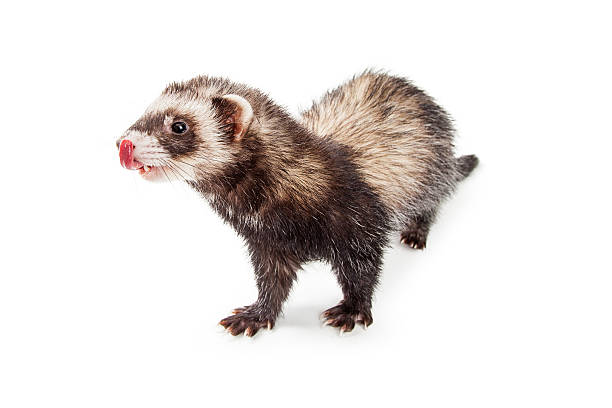
Ferrets, with their playful antics, curious natures, and boundless energy, are captivating pets. Their unique personalities and often comical behaviors endear them to many households. However, one common challenge that new and even experienced ferret owners can face is nipping. This can range from gentle mouthing to sharp, painful bites, leaving owners bewildered and concerned. Understanding why a ferret nips is the first crucial step in addressing and ultimately stopping this behavior, fostering a stronger, more enjoyable bond between you and your furry companion.
This extensive guide will delve deep into the multifaceted reasons behind ferret nipping, explore the different types of nipping, and provide a comprehensive, step-by-step approach to retraining and managing this behavior. We will cover everything from the natural instincts driving nipping to environmental factors, health concerns, and the most effective training techniques.
I. The Ferret’s World: Understanding Ferret Nature and Communication
To truly understand why a ferret nips, we must first appreciate their evolutionary history and innate behaviors. Ferrets are descendants of the European polecat, a small carnivorous mammal. This ancestry imbues them with certain instincts and communication methods that might be misinterpreted by humans.
A. Natural Hunting and Play Instincts:
Ferrets are predators. Their natural instinct is to hunt, pounce, and play with their prey using their mouths. This is how they explore their environment, interact with their littermates, and develop their hunting skills. When a ferret plays with another ferret, nipping is a normal part of their social interaction. They learn bite inhibition from their siblings during these play sessions. If a kit bites too hard, its sibling will yelp and withdraw, teaching the biting kit that its actions have consequences.
This instinct doesn’t disappear when they become pets. Their mouths are their primary tools for exploration, manipulation, and play. When they interact with you, especially when they are young or haven’t been adequately trained, they may use their mouths in a way that feels like a nip to us.
B. Mouth Sensitivity and Exploration:
Ferrets have small, sensitive mouths. They use them to investigate new objects, textures, and even people. This can involve gentle nibbling or more insistent mouthing. It’s their way of gathering information about their surroundings. Think of it like a baby exploring the world by putting things in their mouth. For a ferret, this extends to you.
C. Ferret Socialization:
Proper socialization from a young age is paramount. Kits that are raised without adequate interaction with humans or other animals may not have learned appropriate social cues. This can lead to them being overly rough or expressing themselves in ways that translate to nipping.
D. Communication Signals:
Ferrets have a unique way of communicating their desires, discomfort, or excitement. Nipping can sometimes be a signal.
- Excitement and Playfulness: During energetic play, a ferret might nip playfully.
- Attention Seeking: If they want to play or feel ignored, they might nip to get your attention.
- Discomfort or Pain: A ferret in pain or experiencing discomfort might nip defensively.
- Fear or Stress: When feeling threatened, scared, or stressed, nipping can be a defensive reaction.
- Territoriality: While less common than in some other animals, some ferrets can exhibit territorial behaviors, which might include nipping if they feel their space is invaded.
- “Happy Nips”: Some owners describe a gentle, almost purr-like nip that their ferret gives when they are content and feeling affectionate. This is distinct from a sharp, painful bite.
II. Types of Ferret Nipping and Their Underlying Causes
It’s crucial to differentiate between the various types of nipping to understand the root cause and implement the most effective solution.
A. Play Nipping/Mouthing:
This is the most common type of nipping, especially in young ferrets (kits). They explore their world with their mouths and engage in playful wrestling with their human companions much like they would with their littermates. This nipping is usually not intended to cause harm and is often accompanied by other playful behaviors like “dooking” (happy vocalizations), bouncing, and “war dances.”
- Cause: Natural play behavior, lack of bite inhibition learned from littermates or early training.
- Distinguishing Features: Usually done with less force, often accompanied by playful body language.
B. Dominance Nipping (Rare but Possible):
While ferrets are not inherently pack animals in the same way dogs are, some argue that certain behaviors can be interpreted as attempts to establish a hierarchy. This type of nipping is less about aggression and more about asserting control or testing boundaries. It’s often seen when a ferret feels challenged or wants to dictate a situation.
- Cause: Testing boundaries, asserting control, feeling challenged.
- Distinguishing Features: Can be more insistent, may be accompanied by stiff body posture or pinning.
C. Fear/Defensive Nipping:
This occurs when a ferret feels threatened, scared, or cornered. It’s a survival instinct to protect themselves. This can happen if a ferret is startled, handled roughly, or exposed to something they perceive as dangerous.
- Cause: Fear, anxiety, feeling threatened, being startled.
- Distinguishing Features: Often a quick, sharp bite, followed by the ferret attempting to escape or retreat. May be accompanied by hissing or a hunched posture.
D. Pain/Discomfort Nipping:
A ferret in pain, sick, or injured will likely nip if touched in a sensitive area or if handling exacerbates their discomfort. This is a cry for help and a direct response to physical distress.
- Cause: Injury, illness, pain.
- Distinguishing Features: The nip is usually localized to the area of discomfort, and the ferret may exhibit other signs of illness or pain (lethargy, loss of appetite, abnormal posture).
E. Attention-Seeking Nipping:
Sometimes, a ferret learns that nipping gets them attention, even if it’s negative attention. If you react strongly when your ferret nips, they might learn that this is an effective way to get you to interact with them.
- Cause: Learned behavior, desire for interaction or playtime.
- Distinguishing Features: May occur when the ferret is bored or ignored, and the nip is often followed by the owner’s reaction.
F. Over-Stimulation Nipping:
Some ferrets can become over-excited during play or petting. This over-stimulation can lead to nipping as their play drive escalates beyond their control.
- Cause: High excitement levels during interaction.
- Distinguishing Features: Occurs during intense play or petting sessions, nips may become more forceful as stimulation increases.
III. The Importance of Early Intervention and Understanding
The younger a ferret is when nipping issues are addressed, the easier they are to correct. Kits are highly impressionable and learn quickly. However, even adult ferrets can be retrained with patience and consistency.
A. Why Not to Punish:
Punishment, especially physical punishment, is counterproductive and can be harmful. Ferrets do not understand punishment in the same way humans do.
- Increases Fear: Physical punishment will only make your ferret more fearful of you, exacerbating defensive nipping.
- Breaks Trust: It destroys the bond of trust and makes training significantly harder.
- Doesn’t Teach the Right Behavior: Punishment simply teaches the ferret what not to do, but not what they should do instead.
B. The Goal: Bite Inhibition and Appropriate Interaction:
The primary goal of training is to teach your ferret bite inhibition – the ability to control the force of their bite – and to redirect their mouthy behaviors to appropriate outlets.
IV. Strategies and Techniques for Stopping Ferret Nipping
A consistent, positive, and humane approach is key to successfully retraining a nipping ferret.
A. For Play Nipping/Mouthing:
This is the most common and often the easiest to address. The goal is to mimic the learning experience a ferret would have with its littermates.
- The “Ouch!” Method (Immediate Reaction):
- The instant your ferret nips too hard, let out a sharp, high-pitched “Ouch!” or “Yelp!”
- Immediately stop all interaction. Withdraw your hand or body part completely.
- Turn away from the ferret, ignoring them for a short period (30 seconds to a minute).
- This mimics the reaction of a littermate and teaches them that biting too hard makes the fun stop.
- Key: The sound needs to be sudden and loud enough to surprise them, but not so loud that it frightens them excessively.
- Time-Out (If Ouch Isn’t Enough):
- If the “Ouch!” and withdrawal don’t immediately curb the behavior, place the ferret in a neutral, contained space (like their carrier or a small playpen) for a brief “time-out” (1-5 minutes).
- This is not a punishment, but a consequence that removes them from the stimulating situation where they nipped.
- Important: Ensure the time-out space is safe and comfortable, not a scary place.
- Redirect to Appropriate Toys:
- When your ferret wants to mouth or play, immediately offer them an appropriate chew toy or interactive toy.
- Ferrets love to wrestle and grab things, so give them something they can grab and mouth.
- Stuffies, tug ropes, and small balls can be excellent redirectors.
- Gentle Handling and Play:
- Engage in gentle play and handling. When they are calm and not nipping, reward them with praise, treats, or continued gentle interaction.
- Avoid roughhousing that might accidentally encourage them to use their mouths more forcefully.
B. For Fear/Defensive Nipping:
This requires building trust and ensuring the ferret feels safe.
- Identify the Trigger:
- Observe what situations cause your ferret to nip defensively. Is it being picked up? Loud noises? Being approached too quickly?
- Once the trigger is identified, you can begin to desensitize and counter-condition.
- Gradual Desensitization and Counter-Conditioning:
- Desensitization: Slowly expose your ferret to the trigger at a level that doesn’t cause a reaction.
- Counter-Conditioning: Pair the trigger with something positive (treats, praise, gentle petting).
- Example (Fear of Hands): If your ferret nips when you reach for them, start by simply having your hand near them while they eat a treat. Gradually move your hand closer over multiple sessions, always pairing its presence with positive reinforcement.
- Never Force: Do not force your ferret into a situation that scares them. This will only reinforce their fear.
- Create a Safe Environment:
- Ensure your ferret has a secure and comfortable living space where they can retreat and feel safe.
- Avoid sudden movements or loud noises around them, especially when they are resting or eating.
- Respect Their Space:
- Learn your ferret’s body language. If they are showing signs of stress (hissing, backing away, thumping their hind leg), give them space.
C. For Pain/Discomfort Nipping:
This is a critical indicator that requires immediate veterinary attention.
- Seek Veterinary Care Immediately:
- If you suspect your ferret is nipping due to pain or illness, contact your veterinarian without delay.
- Describe the behavior and any other symptoms you’ve observed.
- Handle with Extreme Care:
- When handling a potentially injured or sick ferret, do so as gently and minimally as possible.
- Use a towel or blanket to help secure them if necessary, to protect yourself and them from further distress.
D. For Attention-Seeking Nipping:
The goal here is to teach them that other behaviors get them attention.
- Ignore the Nipping (Completely):
- When the nip occurs, do not react verbally, physically, or even with eye contact.
- As soon as the nipping stops, immediately redirect to a positive interaction or reward.
- Reward Desired Behaviors:
- Pay ample attention to your ferret when they are calm, playing appropriately, or interacting without nipping.
- Give them treats, praise, and playtime when they are behaving the way you want. This teaches them which behaviors are rewarded.
- Provide Sufficient Stimulation:
- Ensure your ferret has enough playtime, mental stimulation, and social interaction throughout the day. Bored ferrets are more likely to seek attention through less desirable means.
E. For Over-Stimulation Nipping:
This involves recognizing the signs and managing play sessions.
- Recognize the Cues:
- Pay attention to your ferret’s body language. If they start twitching, their eyes get wide, or their play becomes too rough, they may be approaching over-stimulation.
- End the Session:
- When you notice these signs, it’s time to calmly end the play session.
- This teaches them that continuing to play too rough results in the fun stopping.
- Take Breaks:
- During longer play sessions, consider taking short breaks to allow the ferret to calm down before resuming.
F. General Training Principles for All Nipping:
- Consistency is Key:
- Every member of the household must use the same methods consistently. Inconsistency will confuse the ferret and hinder progress.
- Patience and Persistence:
- Retraining a ferret takes time. There will be good days and bad days. Don’t get discouraged. Celebrate small victories.
- Positive Reinforcement:
- Always focus on rewarding good behavior. This is far more effective than trying to punish bad behavior. Treats, praise, and affection are powerful motivators.
- Owner’s Calmness:
- It’s natural to get frustrated, but try your best to remain calm. Your frustration can create stress for the ferret, making the problem worse.
- Socialization and Enrichment:
- Ensure your ferret is well-socialized with humans and other ferrets (if applicable and safe).
- Provide plenty of toys, tunnels, and opportunities for exploration to keep them mentally stimulated and prevent boredom.
- Hand Tameness Exercises:
- Regularly practice “hand tameness” exercises. This involves gently holding your ferret, petting them, and rewarding them for calm behavior, even when they aren’t being particularly playful.
V. Tools and Techniques to Aid Training
While the core methods are behavioral, some tools can be helpful.
- Treats: High-value treats (like small pieces of cooked chicken, freeze-dried liver, or specialized ferret treats) can be excellent for rewarding good behavior and redirecting attention.
- Appropriate Toys: A variety of toys specifically designed for ferrets should be available for play and redirection.
- Carrier/Playpen: Useful for implementing brief time-outs as a consequence for excessive nipping.
- Towel: Can be useful for safely handling a fearful or nippy ferret, providing a barrier and a sense of security.
VI. When to Seek Professional Help
While most ferret nipping can be managed at home with patience and the right techniques, there are situations where seeking professional guidance is beneficial.
- Persistent Aggression: If your ferret exhibits signs of true aggression (lunging, growling, making sustained attempts to bite) that don’t improve with retraining.
- Unexplained Nipping: If you cannot identify the cause or trigger for the nipping, and it seems to come out of nowhere.
- Fear and Anxiety: If your ferret appears chronically fearful or anxious, a professional can help diagnose underlying issues and develop a behavioral modification plan.
- Owner Frustration: If you are feeling overwhelmed, frustrated, or are struggling to implement the training techniques effectively.
A qualified exotic pet veterinarian or a certified animal behaviorist with experience in ferrets can provide tailored advice and support.
VII. Prevention: Raising a Well-Adjusted Ferret from the Start
The best way to deal with nipping is to prevent it from becoming a significant problem in the first place.
- Source your Ferret Responsibly: Obtain your ferret from a reputable breeder or rescue that prioritizes early socialization and proper care.
- Handle Them Gently and Often: From the moment you bring your ferret home, handle them gently and positively.
- Socialize Early: Expose your kit to a variety of sights, sounds, and gentle interactions from a young age.
- Teach Bite Inhibition Immediately: Implement the “Ouch!” method and redirection from day one.
- Provide Appropriate Outlets: Ensure they have plenty of opportunities for exercise, play, and exploration.
- Understand Their Needs: Learn about ferret behavior, diet, and health to provide them with the best possible care.
Conclusion
Ferrets are complex and rewarding pets, and nipping, while a common challenge, is rarely an insurmountable one. By understanding the underlying causes of their behavior, differentiating between types of nipping, and employing consistent, patient, and positive training methods, you can effectively curb unwanted biting. Remember that your ferret is communicating with you, and learning their language is key to building a strong, loving, and bite-free relationship. With dedication, empathy, and the right approach, you can transform a nipping ferret into a well-behaved and cherished companion. Don’t give up – the bond you can forge with a well-adjusted ferret is incredibly rewarding.
#ferretnipping, #ferretbiting, #stopferretbiting, #ferrettraining, #ferretbehavior, #ferretkits, #ferretplay, #ferretcare, #petferret, #ferretowner, #ferretlove, #ferretlife, #ferretsofinstagram, #ferretworld, #ferretsdaily, #ferretlover, #ferretcommunity, #exoticpets, #petcare, #animalbehavior, #tamingferrets, #ferretadvice, #happyferret, #ferretfun, #ferretaddict.




Add comment