
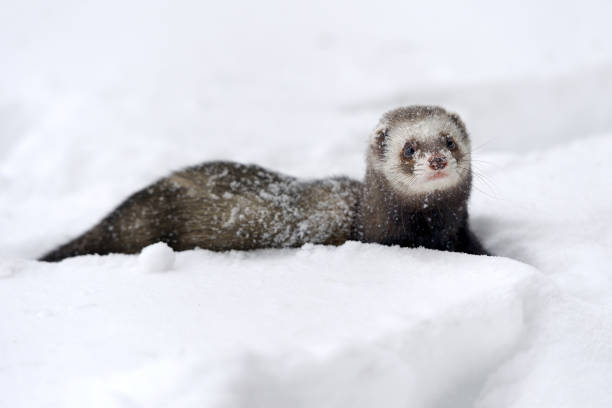
1. Introduction: The Sleep‑Obsessed Fer Ferret
If you’ve ever watched a ferret tumble across a playpen, then suddenly curl into a tight, fluffy ball for a half‑hour nap, you might wonder: “Why do ferrets sleep so much?” The answer is multifaceted, weaving together evolutionary history, physiology, metabolism, and daily lifestyle.
Ferrets (Mustela putorius furo) are domesticated descendants of the European polecat, a predator that evolved to thrive on short, high‑intensity bursts of activity followed by extended periods of rest. This ancestral pattern translates directly into the modern pet ferret’s sleep‑heavy routine. In the wild, a ferret would hunt, explore, and defend territory in rapid, explosive bouts, then retreat to a safe burrow or den to recover energy.
In captivity, the need for high‑intensity hunting is replaced by play, exploration, and social interaction, but the underlying metabolic demand for recovery remains unchanged. Understanding the ferret’s sleep cycle is essential not only for meeting its welfare needs but also for recognizing early signs of illness or stress that may alter sleeping patterns.
This guide will dissect every dimension of ferret sleep— from the microscopic brain waves seen during REM (Rapid Eye Movement) sleep to the practical day‑to‑day considerations of lighting, temperature, diet, and enrichment. By the end, you’ll have a comprehensive mental model of “why ferrets sleep so much” and the tools to foster healthy, restorative slumber for your furry companion.
2. Fer Ferret Biology 101: What Makes a Ferret a “Sleeper”?
2.1 Evolutionary Roots
Ferrets belong to the Mustelidae family, a lineage that includes weasels, otters, badgers, and wolverines. Many mustelids share a “burst‑and‑rest” lifestyle: short, high‑energy foraging periods followed by prolonged rest to conserve energy and avoid predator exposure.
The European polecat— the ferret’s wild ancestor— relied on stealth, speed, and sudden bursts of power to capture small mammals like rodents. These hunting excursions could expend up to 30 % of the animal’s daily caloric intake in a single 5‑minute chase. After such an intensive effort, the animal’s physiology demanded deep recovery, manifested as long sleep bouts.
2.2 Anatomy of the Ferret
- Brain Size & Structure: Ferrets have a relatively large cerebral cortex for their body size, supporting complex sensory integration and rapid decision‑making during hunting. However, the brain’s energy consumption is high, necessitating substantial downtime for restoration.
- Muscle Fiber Composition: Ferret skeletal muscles contain a high proportion of fast‑twitch (type II) fibers, designed for quick, explosive movements. These fibers generate more metabolic waste (lactate, hydrogen ions) that must be cleared during restorative sleep.
- Metabolic Rate: Ferrets possess a resting metabolic rate (RMR) that is roughly 1.5‑2 times that of a similarly sized domestic cat. A high RMR means they burn calories quickly, even while resting, which drives the need for frequent energy replenishment via sleep.
2.3 The “Ferret Sleep Quotient”
Scientists have attempted to quantify sleep in small mammals using the Sleep Quotient (SQ)— the ratio of total sleep time to total awake time. For ferrets, the SQ averages 0.8–0.9, meaning they spend 80–90 % of a 24‑hour cycle sleeping (approximately 16‑20 hours). This places them among the sleep‑intensive mammals, comparable to cats, opossums, and certain bat species.
3. The Architecture of Ferret Sleep: NREM vs. REM
Ferret sleep is not a monolithic state; it is composed of distinct phases that serve different physiological purposes.
3.1 Non‑Rapid Eye Movement (NREM) Sleep
- Stages: In ferrets, NREM is divided into Stage 1 (light sleep), Stage 2 (the “turning point”), and Stage 3 (deep slow‑wave sleep).
- Physiological Hallmarks:
- Delta Waves (0.5–4 Hz) dominate EEG recordings during Stage 3, reflecting synchronized neuronal activity and profound muscle relaxation.
- Heart Rate & Respiration decrease by 20‑30 % compared with wakefulness, allowing energy conservation.
- Restorative Functions:
- Protein synthesis in muscles and brain, crucial for repairing the micro‑damage caused by high‑intensity bursts.
- Glycogen replenishment in liver and skeletal muscle, preparing the ferret for the next bout of play or hunting.
3.2 Rapid Eye Movement (REM) Sleep
- Characteristics:
- Desynchronized EEG resembling wakefulness (beta activity 13‑30 Hz).
- Rapid eye movements beneath the eyelids, twitching of whiskers, and muscle atonia (temporary paralysis) except for ocular and respiratory muscles.
- Dreaming & Memory Consolidation: Although direct evidence of dreaming in ferrets is limited, REM sleep in mammals is linked to synaptic plasticity and memory consolidation. Ferrets that engage in complex problem‑solving tasks (e.g., maze navigation) show increased REM percentages during subsequent sleep cycles.
- Proportion of Sleep Cycle: Ferrets typically allocate 15‑20 % of total sleep time to REM. In a 16‑hour sleep episode, this translates to roughly 2.5‑3 hours of REM, distributed across multiple short REM bouts (5‑15 minutes each).
3.3 Polyphasic Sleep Pattern
Unlike humans, who consolidate sleep into a single nocturnal block, ferrets exhibit polyphasic sleep— multiple short bouts spread throughout the day and night. A typical daily schedule may include:
| Time of Day | Awake (Activity) | Sleep (Duration) |
|---|---|---|
| 06:00‑08:00 | Play, exploration | 1‑2 h nap |
| 10:00‑12:00 | Feeding, grooming | 1‑1.5 h nap |
| 14:00‑16:00 | Social interaction | 1‑2 h nap |
| 18:00‑20:00 | Evening play, hunting (toy) | 1‑1.5 h nap |
| 22:00‑00:00 | Rest, quiet time | 2‑3 h deep sleep |
This fragmented pattern aligns with the ferret’s natural crepuscular tendencies (most active at dawn and dusk) while accommodating the owner’s schedule.
4. Circadian Rhythms and the Ferret’s Internal Clock
4.1 Light‑Driven Entrainment
Ferrets, like most mammals, possess an intrinsic circadian pacemaker located in the suprachiasmatic nucleus (SCN) of the hypothalamus. Light cues received through the retinas directly influence the SCN, synchronising the animal’s sleep‑wake cycle to the external environment.
- Photoperiod Sensitivity: Ferrets are moderately sensitive to changes in day length. In longer summer days, they tend to increase the number of short naps but maintain overall sleep duration. In shorter winter days, deep‑sleep bouts lengthen, possibly as an adaptive response to conserve energy.
4.2 The Role of Melatonin
The pineal gland secretes melatonin during darkness, signalling the body that it is time to rest. Studies on captive ferrets have shown that exogenous melatonin supplementation (e.g., 0.5 mg/kg body weight administered 30 minutes before the onset of the dark phase) can phase‑shift sleep timing, useful for ferrets experiencing jet lag after relocation.
4.3 Ultradian Rhythms
Beyond the 24‑hour circadian cycle, ferrets also display ultradian rhythms— cycles shorter than 24 hours— that dictate the alternation between REM and NREM within each sleep episode. In ferrets, the REM‑NREM cycle averages 20‑30 minutes, with REM periods becoming longer as the overall sleep episode progresses.
5. Developmental Changes: How Sleep Evolves From Kit to Senior
5.1 Neonatal (Kit) Stage (0‑8 weeks)
- Sleep Duration: Newborn kits can sleep up to 22 hours per day, with prolonged REM-dominant episodes.
- Purpose: REM sleep in neonates is thought to aid brain maturation, neuronal wiring, and sensory integration.
5.2 Juvenile (8‑16 weeks)
- Shift Toward NREM: As kits mature, NREM deep sleep becomes more prominent, reflecting the need for muscle development and immune system consolidation.
- Increased Play: Awake periods expand, incorporating more exploratory behavior.
5.3 Adult (1‑5 years)
- Baseline Sleep: Adult ferrets settle into the classic 16‑20 hours of total sleep, with a balanced REM/NREM ratio (≈ 1:4).
- Seasonal Adjustments: Slight variations occur with temperature and daylight changes, but the overall pattern remains stable.
5.4 Senior (5+ years)
- Fragmented Sleep: Older ferrets may experience more frequent awakenings and reduced deep‑sleep proportion due to age‑related neurodegeneration or joint discomfort.
- Health Correlations: Decreased REM may signal early cognitive decline, while increased daytime napping can indicate pain or metabolic disorders.
6. Environmental Influences: Light, Temperature, and Habitat
6.1 Lighting
- Intensity: Bright, direct light can suppress melatonin, delaying the onset of sleep. Soft, diffused lighting mimics natural twilight and promotes relaxation.
- Cycle Consistency: Maintaining a regular light‑dark schedule (≈ 12 h / 12 h) reduces circadian disruption. For ferrets kept in rooms with large windows, consider blackout curtains to ensure darkness during the night.
6.2 Temperature
- Thermoregulation: Ferrets have a high surface‑area‑to‑volume ratio, making them sensitive to ambient temperature. Ideal room temperature: 18‑22 °C (64‑72 °F).
- Impact on Sleep:
- Cold (< 15 °C) stimulates shivering thermogenesis, increasing metabolic rate and fragmenting sleep.
- Heat (> 27 °C) leads to heat stress, causing frequent waking and panting.
- Seasonal Bedding: Using layered bedding (e.g., fleece blankets) in winter provides insulating warmth without overheating.
6.3 Habitat Design
- Den Location: Ferrets instinctively seek a quiet, enclosed, low‑traffic area for deep sleep. A covered tunnel, a soft nest box, or a “ferret cave” works well.
- Noise Levels: Sudden loud noises (vacuum cleaners, door slams) can trigger a startle response, awakening the ferret and causing cortisol spikes.
- Olfactory Environment: Ferrets rely heavily on scent. A clean, odor‑free sleeping area reduces stress, while mild pheromone sprays (e.g., synthetic ferret facial pheromone) can enhance a sense of security.
7. Nutrition, Metabolism, and Energy Expenditure
7.1 High‑Protein, High‑Fat Diet
Ferrets are obligate carnivores, requiring ≥ 30 % protein and ≥ 15 % fat in their diet. These macronutrients fuel rapid muscle contractions and support the brain’s glucose demands.
- Protein Sources: Commercial ferret kibble, raw or cooked meat (chicken, turkey, rabbit).
- Fat Sources: Animal fats, fish oil supplements.
A diet deficient in essential fatty acids can lead to skin conditions that cause itchiness, disrupting sleep.
7.2 Caloric Balance and Sleep Pressure
- Positive Energy Balance: Overfeeding can increase sleep pressure (the homeostatic drive to sleep), leading to longer nap durations.
- Negative Energy Balance: Undernutrition triggers hunger‑induced arousal, decreasing total sleep time and increasing agitation.
7.3 Hydration
Dehydration elevates core body temperature, prompting more frequent awakenings for water seeking. Providing fresh water in a spill‑proof bottle encourages regular intake without disturbing sleep.
7.4 Feeding Schedule
- Morning & Evening Meals: Aligning feeding times with natural activity peaks (dawn and dusk) helps reinforce the polyphasic pattern.
- Avoid Late‑Night Snacks: Late feeding can elevate metabolic rate and delay the onset of deep sleep.
8. Health, Stress, and Sleep Disruption
8.1 Common Medical Conditions Affecting Sleep
| Condition | How It Alters Sleep | Signs to Watch |
|---|---|---|
| Adrenal Disease (Hyperadrenocorticism) | Increases nocturnal activity, reduces deep sleep | Restlessness, increased thirst, panting |
| Insulinoma | Causes hypoglycemia, leading to frequent waking and jitteriness | Tremors, weakness, excessive eating |
| Gastrointestinal Parasites | Discomfort, cramping disrupts sleep continuity | Diarrhea, weight loss |
| Pain (Arthritis, Dental Issues) | Leads to shorter, fragmented naps; increased daytime napping as compensation | Vocalisation, reluctance to move |
| Respiratory Infections | Breathing difficulty reduces REM sleep | Sneezing, nasal discharge, laboured breathing |
8.2 Stressors
- Environmental Changes: Moving house, new pets, or renovation noises can trigger cortisol spikes, shortening sleep bouts.
- Social Isolation: Ferrets are highly social; solitary confinement leads to increased nocturnal activity and reduced REM.
- Lack of Enrichment: Boredom raises stereotypic behaviors (e.g., excessive grooming), which may spill into the sleep period.
8.3 Behavioral Indicators of Sleep Disturbance
- Increased Grooming during typical sleep windows.
- Stereotypic “Ferret Circling” (running in circles) when they should be napping.
- Irregular Sleep Schedule (e.g., sleeping only 8 hours despite normal appetite).
If any of these appear, a veterinary evaluation is advised.
9. A Comparative Lens: Ferrets vs. Other Mustelids and Small Mammals
| Species | Avg. Daily Sleep (hrs) | Primary Activity Pattern | Notable Sleep Traits |
|---|---|---|---|
| Ferret | 16‑20 | Crepuscular / Polyphasic | High REM proportion, frequent short naps |
| Domestic Cat | 12‑16 | Crepuscular, Polyphasic | Long stretches of deep NREM, strong predatory bursts |
| European Polecat | 14‑18 | Crepuscular, Seasonal | Similar burst‑and‑rest, but more nocturnal in winter |
| American Badger | 10‑12 | Nocturnal | Longer consolidated sleep, less REM |
| Ferret (Wild Mustelid) | 12‑14 | Mostly Nocturnal | Reduced total sleep due to predator exposure |
The ferret’s sleep duration is comparatively higher than many of its wild relatives, reflecting the protective environment of captivity where predation risk is minimal, allowing the animal to maximise restorative processes without compromising safety.
10. Monitoring Ferret Sleep: Practical Tools for Owners
10.1 Direct Observation
- Behavioral Checklist: Create a simple log noting start and end times of naps, type of sleep (light vs. deep, indicated by body posture), and any disturbances.
- Video Recording: Setting up a low‑light camera near the sleeping area provides objective data. Ferrets often display “twitching whiskers” during REM— a visual cue for phase identification.
10.2 Wearable Technology
- Miniature Accelerometers: Devices like the PetPace or FitBark can be adapted for ferrets (weight < 5 g). They record activity spikes and rest periods with high resolution.
- Limitations: Small size may cause discomfort; ensure proper fitting and monitor for skin irritation.
10.3 Home‑Built Sleep Tracker (DIY)
- Materials: Small infrared motion sensor, Arduino Nano, microSD card, LED indicator.
- Setup: Place sensor under the den; program Arduino to log “no motion” periods as sleep bouts.
- Data Analysis: Export CSV file to Excel; calculate total sleep time, average nap length, and REM estimation (by correlating short bursts of motion during sleep with REM twitches).
10.4 Veterinary Sleep Studies
For persistent sleep issues, a professional polysomnography (EEG, EMG, EOG) can be performed under sedation. While costly, it yields definitive data on sleep architecture and can identify neurological pathologies.
11. Common Sleep‑Related Disorders in Ferrets
| Disorder | Pathophysiology | Clinical Signs | Diagnostic Approach | Treatment |
|---|---|---|---|---|
| Insomnia (Sleep Deprivation) | Elevated cortisol, reduced melatonin | Hyperactivity, eye‑watering, reduced appetite | Sleep log + blood cortisol | Environmental enrichment, melatonin supplement (under vet guidance) |
| Narcolepsy‑like Episodes | Dysregulation of orexin system (hypothesised) | Sudden collapse into REM‑like posture, brief cataplexy | Video observation + EEG (if available) | Manage stress, avoid overstimulation; experimental orexin agonists (research stage) |
| Sleep Apnea (Obstructive) | Upper airway obstruction from enlarged tonsils or dental malocclusion | Snoring, gasping, daytime lethargy | Endoscopic airway exam, radiographs | Surgical correction of obstruction, weight management |
| Circadian Rhythm Disorder (Jet Lag) | Mismatch between internal clock and external light cues | Erratic sleeping, increased nocturnal activity | Light‑dark cycle monitoring | Gradual light adjustment, timed melatonin |
| Parasomnia (Sleep‑Walking) | Neurological irritation or environmental stress | Wandering while appearing asleep, occasional “pouncing” on objects | Direct observation, EEG | Reduce stressors, enrich environment, possible anticonvulsant under veterinary supervision |
Early detection hinges on consistent sleep monitoring and prompt veterinary consultation.
12. Optimising the Sleep Environment: Tips for a Restful Ferret
- Create a Dedicated “Sleep Zone”
- Use a closed tunnel or cave‑style nest positioned away from high‑traffic zones.
- Line the interior with soft, breathable fabrics (e.g., fleece) to retain warmth without overheating.
- Control Lighting
- Install a timer‑controlled LED lamp that mimics natural dusk/dawn transitions (gradual dimming/brightening).
- Ensure complete darkness during the ferret’s primary sleep window (usually nighttime).
- Regulate Temperature
- Place a ceramic heat pad on a low setting underneath the nest for colder months; remove in summer.
- Use a thermostat‑controlled room heater to keep ambient temperature steady.
- Sound Dampening
- Use soft rugs and wall hangings to absorb echo; consider a white‑noise machine set to low volume (e.g., gentle rainfall) to mask sudden noises.
- Enrichment Before Sleep
- Provide a 30‑minute play session 1‑2 hours before the main sleep period to satisfy the ferret’s predatory drive, facilitating a smoother transition into deep sleep.
- Consistent Feeding Schedule
- Feed at regular intervals aligned with natural activity peaks; avoid feeding within 30 minutes of the main sleep period.
- Health Checks
- Perform a weekly physical exam (weight, coat condition, dental health) to spot early signs of discomfort that could disrupt sleep.
- Avoid Over‑Stimulation
- Limit exposure to bright screens or loud music during evening hours; ferrets are sensitive to high‑frequency sounds.
- Hydration Station Placement
- Keep the water bottle near, but not inside, the sleeping area to reduce nighttime trips that awaken the ferret.
- Regular Cleaning
- Clean bedding weekly to prevent parasite buildup and odor accumulation, both of which can increase stress and impair sleep.
13. Myths and Misconceptions About Ferret Sleep
| Myth | Reality |
|---|---|
| “Ferrets are lazy and don’t need much exercise.” | Ferrets are highly active during their awake periods; they require daily, vigorous play to prevent muscular atrophy and behavioural issues. |
| “If a ferret sleeps more than 12 hours, it must be sick.” | While a sudden increase in sleep can signal illness, 16‑20 hours is normal for healthy adults. |
| “Ferrets only sleep at night.” | Ferrets are polyphasic; they nap throughout the 24‑hour cycle, especially during daylight crepuscular peaks. |
| “Providing a heater will make a ferret sleep longer.” | Excessive heat can cause hyperthermia and fragmented sleep; a moderate, stable temperature is optimal. |
| “Ferrets don’t dream because they are small.” | Ferrets experience REM sleep, the phase associated with dreaming in mammals. Evidence from EEG studies shows REM periods similar to cats and dogs. |
| “A ferret that sleeps in the open is fine.” | Ferrets instinctively seek enclosed, safe spaces for deep sleep; sleeping in open areas can increase stress and reduce sleep quality. |
| “You can train a ferret to stay awake longer.” | Attempting to override the ferret’s natural circadian rhythm can lead to chronic stress, hormonal imbalance, and reduced immunity. |
Understanding these myths protects the ferret’s wellbeing and guides owners toward evidence‑based care.
14. Frequently Asked Questions (FAQ)
Q1. How many naps should my ferret take each day?
A: Typically 5‑7 short naps (30‑90 minutes each) interspersed with active periods. The exact number varies with age, health, and environment.
Q2. Can I give my ferret melatonin to improve sleep?
A: Yes, but only under veterinary guidance. Dosage must be carefully calculated to avoid sedation or hormonal disruption.
Q3. My ferret seems to sleep more during winter— is this normal?
A: Yes. Shorter daylight and cooler temperatures naturally increase deep‑sleep duration. Ensure the habitat remains comfortably warm.
Q4. What signs indicate my ferret’s sleep is being disrupted by pain?
A: Frequent stretching, vocalisation, reluctance to move, and shortened nap lengths are red flags. A veterinary exam is advised.
Q5. Are there specific toys that encourage healthy sleep‑wake cycles?
A: Toys that mimic prey (e.g., feather wands, small tunnels with hidden treats) stimulate the ferret’s predatory instincts during awake periods, promoting deeper sleep later.
Q6. How do I differentiate between a “deep sleep” posture and a “relaxed awake” posture?
A: In deep sleep, the ferret’s muscles are completely relaxed, eyes are closed, and you may notice tiny whisker twitches—a sign of REM. In a relaxed awake state, the ferret’s eyes are open, and it may respond to soft noises.
Q7. My ferret wakes up and starts “chattering” (making teeth‑grinding sounds). Should I be concerned?
A: Teeth‑chattering often occurs during REM sleep as part of normal dreaming. If it persists while the ferret is awake or is accompanied by aggression, consult a vet.
15. Conclusion: Embracing the Ferret’s Slumber
Ferrets are extraordinary creatures that embody the ancient “burst‑and‑rest” survival strategy of their wild ancestors. Their 16‑20 hours of daily sleep are not a sign of laziness but a physiological necessity— a carefully choreographed dance of NREM deep repair, REM memory consolidation, and metabolic balancing.
By understanding how and why ferrets sleep, owners can craft environments that respect their natural rhythms, identify early health concerns, and provide enrichment that satisfies their predatory drive.
Remember these core takeaways:
- Sleep is integral to health— it supports muscular recovery, brain development, and immune function.
- Circadian and ultradian rhythms guide the polyphasic pattern; consistency in lighting and temperature is vital.
- Age, diet, and stress modulate sleep architecture; monitor changes vigilantly.
- A safe, quiet, and comfortable den is the cornerstone of quality sleep.
When you observe your ferret curled in contented slumber, you are witnessing an evolutionary masterpiece at work. Celebrate those moments, and let the science guide you in providing the optimal conditions for restful, rejuvenating sleep— because a well‑rested ferret is a happier, healthier, and more playful companion.
#FerretSleep, #FerretCare, #FerretLife, #FerretFacts, #FerretWellness, #PetFerret, #FerretHealth, #FerretBehavior, #FerretLovers, #FerretEnrichment, #FerretNutrition, #FerretParenting, #FerretCommunity, #FerretWorld, #FerretObsessed, #FerretDreams, #FerretSleepCycle, #FerretScience, #FerretVeterinary, #FerretTips, #FerretBlog, #FerretEducation, #CuteFerrets, #FerretPlaytime, #FerretBedtime, #FerretHabitat, #FerretLiving, #FerretFriends, #FerretAdventure, #FerretDaily, #FerretRoutine

Add comment