
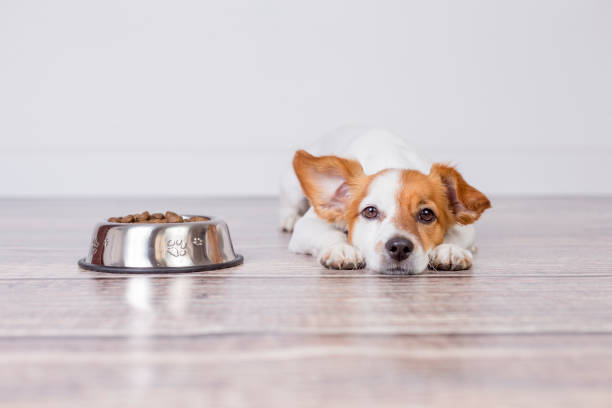
Puppies chew. It’s a fundamental truth of puppy ownership that’s as predictable as them needing to go outside and as potentially destructive as a toddler in a china shop. While it can be frustrating and even a little worrying to see your furry friend gnawing on your favorite shoes or the legs of your antique coffee table, understanding why they chew is the first step to managing and redirecting this natural behavior.
Puppies chew for a variety of reasons, most of which are entirely normal and essential for their development. Let’s delve into the most common culprits:
1. Teething: The Primary Driver of Puppy Chewing
For most puppies, the primary reason for their relentless chewing is teething. Just like human babies, puppies experience discomfort and pain as their baby teeth fall out and their adult teeth begin to emerge. This process typically starts around 3-4 weeks of age and can continue until they are 6-8 months old, with some breeds experiencing a longer teething period.
How Teething Causes Chewing:
- Relief from Gum Pain: Chewing provides puppies with a way to relieve the pressure and discomfort in their gums. The act of biting down on something firm can massage their gums and offer a soothing sensation.
- Loosening Baby Teeth: As adult teeth push their way through the gums, they can cause baby teeth to become loose. Chewing helps to dislodge these baby teeth, making the transition to adult teeth easier.
- Itching and Irritation: The gums can become itchy and inflamed during teething, and chewing is a natural response to alleviate this irritation.
What to Expect During Teething:
- Drooling: You’ll likely notice an increase in drooling as their gums become more sensitive.
- Nipping and Mouthing: Puppies may also nip and mouth at things more frequently during this period.
- Slightly Blooded Gums: Occasionally, you might see a tiny bit of blood on their toys or in their saliva if a baby tooth has just fallen out. This is usually nothing to worry about.
- Increased Interest in Chewing: They will show a greater inclination to chew on anything available, especially items that offer a satisfying resistance.
During this phase, it’s crucial to provide your puppy with appropriate chew toys that can satisfy this need and protect your belongings.
2. Exploration: The World is Their Oyster (and Their Chew Toy)
Puppies are inherently curious creatures, and for them, chewing is a primary way of exploring their world. They don’t have hands to touch and manipulate objects like we do; instead, their mouths are their primary sensory tools.
How Exploration Drives Chewing:
- Gathering Information: By chewing on different textures, shapes, and materials, puppies learn about their environment. They can distinguish between a soft blanket, a hard plastic toy, or the tough leather of a shoe.
- Understanding Properties: Chewing helps them understand the properties of objects – whether they are edible, bendable, or breakable.
- Sensory Stimulation: The act of chewing provides a rich sensory experience, engaging their sense of taste, touch, and even smell.
Think of it this way: If you were dropped into an unfamiliar environment with no hands, you’d likely explore it with your mouth too!
This exploratory chewing is more prevalent when puppies are younger and still learning about their surroundings. As they mature and their world becomes more familiar, this type of chewing tends to decrease, provided they are given ample opportunities for other forms of stimulation.
3. Boredom and Excess Energy: The “Devil’s Playground”
When a puppy isn’t getting enough physical or mental stimulation, their natural energy and exploratory drive can manifest as destructive chewing. Boredom and pent-up energy are significant contributors to unwanted chewing behaviors.
How Boredom Leads to Chewing:
- Self-Soothing and Entertainment: Chewing can be a way for a bored puppy to entertain themselves and alleviate their own boredom.
- Release of Energy: Puppies have a lot of energy, and if they don’t have appropriate outlets, they’ll find their own. Chewing can be a way to expend some of that excess energy.
- Attention Seeking: Sometimes, a puppy might learn that chewing on something they shouldn’t gets them attention from their owners – even if it’s negative attention.
Signs of boredom-induced chewing:
- Chewing when left alone: This can be a sign of separation anxiety or simply a way for the puppy to cope with being alone.
- Chewing on inanimate objects: Furniture, shoes, remotes, and other household items become targets.
- Restlessness and pacing: Before or during chewing, the puppy might seem restless.
- Destruction that seems indiscriminate: They’re not necessarily targeting one specific item.
This is where proper training, exercise, and mental enrichment play a crucial role. A tired puppy is a good puppy, and a mentally stimulated puppy is less likely to seek out destructive entertainment.
Other Less Common, But Important, Reasons for Chewing:
While teething, exploration, and boredom are the most common reasons, there are a few other factors that can contribute to a puppy’s chewing habits:
- Hunger or Nutritional Deficiencies: In some rare cases, a puppy might chew on non-food items if they are not getting adequate nutrition or are experiencing hunger. This is more likely to manifest as pica (eating non-food items). If you suspect this, consult your veterinarian.
- Anxiety or Stress: Similar to boredom, anxiety and stress can lead to compulsive chewing as a coping mechanism. This can be triggered by changes in environment, routine, or the absence of their owner.
- Medical Issues: Although uncommon, certain medical conditions, such as gastrointestinal problems, can sometimes lead to unusual chewing behaviors. Again, a veterinarian is your best resource if you have concerns.
Understanding the “Why” is Key to “How” to Manage
Once you’ve identified the likely reason behind your puppy’s chewing, you can begin to implement effective strategies. The goal isn’t to stop your puppy from chewing altogether – that’s an impossible and undesirable task. Instead, the aim is to redirect their chewing instincts to appropriate outlets and manage their environment to prevent them from chewing on things they shouldn’t.
This guide will continue by exploring practical solutions and strategies to address puppy chewing based on these underlying reasons. But first, take a moment to observe your puppy. When do they chew most? What do they chew on? What is their environment like? This observation will be your roadmap to success.







Add comment