
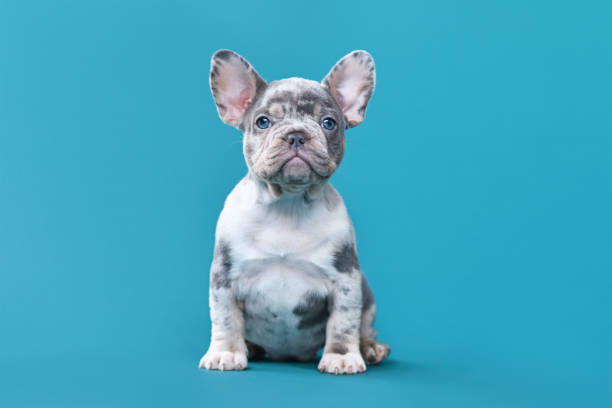
Potty training a dog, whether a bouncy new puppy or an adult rescue, is often cited as one of the most challenging aspects of dog ownership. While the dream is a perfectly house-trained companion who signals their needs with polite urgency, the reality for many owners includes frustrating puddles and unwelcome deposits on the carpet. Setbacks are incredibly common, leading many to question if their dog is perhaps untrainable, spiteful, or simply “not getting it.”
The truth, however, is far more nuanced. Dogs don’t pee or poop indoors out of malice or a desire to “get back at you.” Their elimination habits, when they deviate from our expectations, are almost always rooted in underlying factors that can be identified and addressed. From subtle medical conditions to deeply ingrained behavioral patterns, and even unintentional errors in our training approach, understanding the true cause is the first and most critical step towards a consistently clean home.
This comprehensive guide will delve into the myriad reasons why your dog might be struggling with potty training, exploring common pitfalls, medical considerations, behavioral quirks, and environmental influences. By systematically examining these possibilities, you’ll be equipped with the knowledge to diagnose the problem, implement effective solutions, and finally achieve the house-training success you’ve been striving for.
The Foundation: Understanding Canine Elimination Behavior
Before we dive into problems, it’s essential to understand the basics of canine elimination. For dogs, peeing and pooping are not just biological necessities; they are also forms of communication and incredibly instinctual behaviors.
- Instinct for Cleanliness: Wild canids typically keep their dens clean, eliminating away from their sleeping and eating areas. This instinct forms the basis of crate training – leveraging the dog’s natural desire to not soil their “den.”
- Territorial Marking: Urine and feces contain scent information that dogs use to communicate with each other. Marking is a natural behavior, especially for intact dogs, but can become problematic indoors.
- Routine and Predictability: Dogs thrive on routine. Their digestive and excretory systems work best when they eat, drink, and eliminate on a predictable schedule.
- Substrate Preference: Dogs often develop a preference for certain surfaces (e.g., grass, dirt, concrete, puppy pads, carpet) to eliminate on. This preference is often established during puppyhood.
- Emotional State: A dog’s emotional state significantly impacts bladder and bowel control. Stress, fear, excitement, or anxiety can all trigger involuntary or stress-induced elimination.
When potty training hits a snag, it’s rarely just one issue but often a combination of factors. Let’s explore the most common culprits.
Common Reasons for Potty Training Setbacks
A. Medical Issues: Always Rule These Out First!
Before blaming training deficiencies or behavioral problems, a trip to the veterinarian is paramount. Many medical conditions can mimic house-training issues, leading to frustration and inappropriate punishment if the underlying cause isn’t identified.
- Urinary Tract Infections (UTIs):
- Symptoms: Frequent urination (often small amounts), straining, pain during urination (whimpering), increased thirst, urinating in unusual places, bloody or cloudy urine, dribbling.
- Why it causes accidents: UTIs cause inflammation and irritation of the bladder, leading to a constant urge to urinate, often with little warning or control. Even a perfectly trained dog can’t hold it if their bladder is inflamed.
- Action: A vet will perform a urinalysis to check for bacteria, crystals, or blood. Antibiotics are typically prescribed.
- Bladder Stones or Crystals:
- Symptoms: Similar to UTIs – frequent urination, straining, painful urination, blood in urine.
- Why it causes accidents: Stones or crystals irritate the bladder lining, causing inflammation and reducing bladder capacity. They can also cause blockages, which are a medical emergency.
- Action: Diagnosis via urinalysis, X-rays, or ultrasound. Treatment varies from dietary changes and medication to surgical removal.
- Diabetes Mellitus:
- Symptoms: Excessive thirst (polydipsia) and consequently excessive urination (polyuria), weight loss despite increased appetite, lethargy.
- Why it causes accidents: High blood sugar levels cause the kidneys to work harder to filter glucose, leading to increased urine production and the need to urinate more frequently and urgently.
- Action: Diagnosed with blood and urine tests. Managed with insulin injections and dietary changes.
- Kidney Disease:
- Symptoms: Increased thirst and urination, decreased appetite, lethargy, weight loss, vomiting.
- Why it causes accidents: Impaired kidney function affects the ability to concentrate urine, resulting in increased water intake and more frequent urination.
- Action: Diagnosed with blood and urine tests. Management involves dietary changes, fluid therapy, and medications.
- Cushing’s Disease (Hyperadrenocorticism):
- Symptoms: Increased thirst and urination, increased appetite, pot-bellied appearance, thinning skin, hair loss, panting.
- Why it causes accidents: Excess cortisol production impacts the kidneys, leading to increased thirst and urination.
- Action: Diagnosed with specific blood tests. Treatment typically involves medication.
- Incontinence (Sphincter Mechanism Incompetence):
- Symptoms: Leakage of urine, especially when resting, sleeping, or excited. The dog is often unaware they are urinating.
- Why it causes accidents: This is involuntary leakage, not a training issue. Common in older, spayed female dogs due to hormonal changes affecting bladder sphincter muscle tone.
- Action: A veterinarian can prescribe medications (e.g., Phenylpropanolamine or estrogen derivatives) that help strengthen the bladder sphincter.
- Gastrointestinal Issues (Diarrhea, Colitis, IBS):
- Symptoms: Loose stools, increased frequency of defecation, straining, vomiting, abdominal pain.
- Why it causes accidents: These conditions cause an urgent and often unpredictable need to defecate, making it difficult for even a well-trained dog to hold it until they get outside.
- Action: Vet diagnosis for underlying cause (dietary indiscretion, parasites, bacterial infection, inflammatory bowel disease) and appropriate treatment.
- Cognitive Dysfunction Syndrome (CDS) in Senior Dogs (“Doggy Dementia”):
- Symptoms: Disorientation (getting “stuck” in corners), changes in sleep-wake cycles, decreased interaction, anxiety, and house-soiling.
- Why it causes accidents: Senior dogs with CDS may simply forget their house-training rules, become disoriented about where they are, or fail to recognize the urge to eliminate until it’s too late.
- Action: There’s no cure, but medications, supplements (e.g., SAMe, omega-3s), special diets, and environmental enrichment can help manage symptoms. Increased potty breaks and patience are key.
- Mobility Issues/Arthritis:
- Symptoms: Lameness, stiffness, difficulty getting up, reluctance to go up/down stairs, pain when moving.
- Why it causes accidents: Dogs in pain may be unable or unwilling to get up and go outside quickly enough. They might also find the act of squatting or lifting a leg painful, leading them to eliminate in an easier, more comfortable (indoor) spot.
- Action: Vet diagnosis and pain management (medication, supplements, physical therapy, acupuncture). Making outdoor access easier (ramps, closer potty spot) can also help.
- Medication Side Effects:
- Symptoms: Increased thirst and urination, loose stools, or other elimination changes, depending on the medication.
- Why it causes accidents: Certain medications, like corticosteroids (e.g., Prednisone) or diuretics, can significantly increase a dog’s thirst and urine output, making accidents more likely.
- Action: Discuss side effects with your vet. They may adjust dosage or suggest alternative medications. Adjusting potty schedules is also crucial.
B. Behavioral and Emotional Factors
Once medical issues are ruled out, delve into your dog’s psychological state and learned behaviors. Emotions play a huge role in elimination.
- Anxiety and Stress:
- Separation Anxiety: Accidents (often urination, sometimes defecation) occur only when the dog is left alone. This is often accompanied by other signs of SA: destructive chewing, excessive vocalization, pacing, drooling. The dog is not “getting back at you” but experiencing extreme distress.
- Fear/Phobias: Loud noises (fireworks, thunderstorms), new people, other animals, or unfamiliar environments can cause a dog to lose bladder or bowel control due to acute fear.
- General Anxiety/Stress: Any significant change in routine, environment (moving, new baby/pet), or even owner’s stress can manifest as house-soiling.
- Action: Address the root cause of anxiety. For separation anxiety, counter-conditioning and desensitization, sometimes with medication, are needed. For phobias, management (safe space, thunder shirt) and desensitization are key. Consult a certified professional dog trainer or vet behaviorist.
- Submissive Urination:
- Symptoms: The dog urinates when feeling intimidated, scolded, or when greeting people or other dogs (often lowering body, avoiding eye contact, tail tucked). It’s an involuntary appeasement gesture.
- Why it causes accidents: The dog is showing deference and trying to turn off a perceived threat. They are not consciously deciding to urinate.
- Action: Avoid direct eye contact, towering over the dog, scolding, or any confrontational behavior. Approach calmly, slowly, and keep greetings low-key. Build confidence through positive reinforcement.
- Excitement Urination:
- Symptoms: Urination during enthusiastic greetings, intense play, or highly stimulating situations.
- Why it causes accidents: Similar to submissive urination, but triggered by overwhelming joy or arousal. Often seen in puppies and younger dogs who may grow out of it.
- Action: Keep greetings calm and low-key. Ignore the dog until they settle, then calmly greet them. Take them outside immediately before and after potentially exciting events.
- Marking Behavior:
- Symptoms: Urinating small amounts on vertical surfaces (furniture legs, walls), often raising a leg (males) or squatting in a specific way (females). It’s not a full emptying of the bladder.
- Why it causes accidents: Dogs (intact or sometimes even neutered/spayed) use urine to claim territory, respond to new smells (visitors, new items), or assert presence. Multiple dogs in a household can exacerbate this.
- Action: Neutering/spaying can reduce marking, but if it’s a learned behavior, it might persist. Thoroughly clean marked areas with enzymatic cleaners. Restrict access to previously marked spots. Manage interactions between multiple dogs. Supervise closely and interrupt marking in progress, immediately taking the dog outside.
- Attention-Seeking Behavior:
- Symptoms: Accidents occur when the dog wants attention, and the owner reacts (even negatively). The dog learns that peeing inside gets a reaction.
- Why it causes accidents: If a dog is ignored or doesn’t get enough engagement, and an accident reliably leads to interaction (even a stern “no!”), they may inadvertently learn to use it to gain attention.
- Action: Ensure your dog gets plenty of positive attention, exercise, and mental stimulation. If an accident occurs, clean it calmly and without comment. If you catch them in the act, calmly interrupt and immediately take them outside to their designated spot. Reward heavily if they finish outside.
- Learned Helplessness/Previous Trauma:
- Symptoms: Often seen in rescue dogs from puppy mills, hoarding situations, or neglect, where they were forced to live in their own waste. They may not have developed the natural instinct to keep their living area clean.
- Why it causes accidents: These dogs never learned the concept of a “clean den” and may soil anywhere without preference.
- Action: Requires immense patience and a complete re-education process, starting from scratch like an 8-week-old puppy. Use strict confinement (crate or small playpen) to help them build the instinct for cleanliness. Consistent routine and positive reinforcement are crucial.
- “Revenge” (Myth Debunked):
- Why it’s not a reason: Dogs do not possess the complex emotional capacity for “revenge” or spite. Attributing human emotions to canine behavior (anthropomorphism) is misleading and counterproductive. If you think your dog is peeing out of revenge, there’s always an underlying medical, behavioral, or training reason for the accident. Focus on identifying that real reason.
C. Training Deficiencies and Handler Errors
Even the most well-intentioned owners can inadvertently make mistakes that hinder potty training progress. Consistency, clear communication, and proper management are key.
- Inconsistent Schedule/Not Enough Potty Breaks:
- Why it causes accidents: Puppies have very small bladders and limited control; they simply cannot hold it for long. Adult dogs also need a predictable schedule. If you wait too long between breaks, accidents are inevitable.
- Action:
- Puppies: Every 1-2 hours initially, immediately after waking, after playing, after eating/drinking, and before bed.
- Adults: First thing in the morning, last thing at night, and every 4-6 hours during the day. Increase frequency if they’ve had a lot to drink or are prone to accidents.
- Stick to a consistent schedule daily, even on weekends.
- Insufficient Supervision:
- Why it causes accidents: If your dog has free run of the house and you’re not actively watching them, you won’t catch them in the act of having an accident. Every accident indoors reinforces the idea that it’s an acceptable place to go.
- Action:
- Umbilical Cord Method: Keep your dog leashed to you indoors. This ensures constant supervision and allows you to catch early signs of needing to go.
- Crating/Confinement: When you can’t actively supervise, confine your dog to a properly sized crate or a small, puppy-proofed area (playpen with hard flooring). This prevents accidents from happening in the house.
- Confusing Cues/Lack of Clear Communication:
- Why it causes accidents: If you don’t use a consistent verbal cue (“go potty,” “do your business”) and reward immediately and enthusiastically when they eliminate in the correct spot, your dog won’t understand what’s expected of them.
- Action:
- Choose a consistent, short potty cue.
- As soon as your dog finishes eliminating outside, immediately offer high-value treats and praise (“Good potty!”). Make it the best thing that happens all day.
- Don’t just open the door and let them wander; accompany them and stay with them until they go.
- Ineffective Cleaning Methods:
- Why it causes accidents: Dog urine and feces leave behind scents that are imperceptible to humans but act as powerful attractants for dogs. Using ammonia-based cleaners (which smell like urine to dogs) actually entices them back to the same spot.
- Action: Always use an enzymatic cleaner specifically designed for pet accidents. These break down the organic compounds in urine and feces, eliminating the odor completely. Blot up as much as possible first, then liberally apply the enzymatic cleaner and allow it to air dry.
- Punishment After the Fact:
- Why it causes accidents: If you discover an accident and scold or punish your dog even minutes later, they cannot connect your anger to the act of elimination. Instead, they learn that your presence when there’s a mess is scary. This teaches them to hide their elimination or be fearful of you, exacerbating the problem.
- Action: Never punish after the fact. If you catch your dog in the act, calmly interrupt them (“Ah-ah!”), immediately take them outside (don’t scare them), and reward heavily if they finish outside. If you find an accident, simply clean it up without any reaction.
- Inappropriate Crating or Confinement:
- Why it causes accidents:
- Crate too large: If the crate has enough space for the dog to soil one end and sleep in the other, it defeats the purpose of leveraging their den instinct.
- Left in crate too long: Even a perfectly sized crate won’t work if the dog is forced to hold it beyond their capacity. This breaks their natural instinct not to soil their den.
- Crate Aversion: If a dog has a negative association with the crate (e.g., forced in, left too long, previous trauma), they may become anxious and soil it.
- Action:
- Use a crate that’s just large enough for the dog to stand up, turn around, and lie down comfortably. Use a divider for puppies.
- Never leave a puppy in a crate for longer than they can reasonably hold their bladder (e.g., puppy’s age in months + 1 hour, up to 4-5 hours maximum for young puppies).
- Ensure the crate is a positive, comfortable space.
- Why it causes accidents:
- Stopping Training Too Soon (Rushing the Process):
- Why it causes accidents: Owners often assume their dog is fully house-trained after a few weeks of success. However, puppies and even adult dogs can experience “regression” or simple relapses. True house-training takes months of consistency, not weeks.
- Action: Continue the strict routine, supervision, and reinforcement for several months, gradually loosening the reins only once the dog has been accident-free for an extended period (e.g., 3-6 months). Holidays, changes in schedule, or visitors can often trigger setbacks, so be prepared to go back to basics temporarily.
- Lack of Positive Reinforcement for Outdoor Elimination:
- Why it causes accidents: If going outside to potty isn’t actively rewarded and made highly positive, there’s less incentive for the dog to choose that option over the convenience of indoor elimination.
- Action: Every successful outdoor potty should be met with enthusiastic praise, a high-value treat, and perhaps a quick play session (after they’ve finished). Make it clear that going outside is a fantastic choice!
- Poor Weather or Location Aversion:
- Why it causes accidents: Some dogs dislike going out in rain, snow, extreme cold, or on certain surfaces (e.g., wet grass, rough pavement). They may hold it inside or try to eliminate quickly without fully emptying their bladder/bowel.
- Action: Be patient and persistent. Stay outside with them until they go, even if it takes a while. Invest in doggy raincoats or boots if weather is a major issue. Create a covered potty spot if possible.
- Inappropriate Water Management:
- Why it causes accidents: Restricting water access throughout the day is dangerous and unhealthy. However, managing water intake before bed can help.
- Action: Always provide fresh water freely during the day. As bedtime approaches, you can pick up the water bowl about 1-2 hours before the final potty break and crating. This helps ensure an empty bladder for the night.
D. Environmental Factors
The physical environment where your dog lives and eliminates also plays a significant role.
- Substrate Preference:
- Why it causes accidents: If a dog was trained on puppy pads, they might learn that soft, absorbent surfaces (like carpets or rugs) are appropriate for elimination. Some dogs simply prefer specific textures.
- Action: Transitioning from pads to outside requires fading the pads out slowly. If they prefer soft surfaces indoors, temporarily remove all rugs and block access to carpeted areas. Use enzymatic cleaners meticulously.
- Unclean Designated Potty Area:
- Why it causes accidents: While dogs often return to a spot they’ve used, some dogs (especially fastidious ones) won’t want to eliminate in an area that’s heavily soiled with old urine or feces.
- Action: Regularly clean your yard or designated potty spot. Pick up feces promptly. If you use a potty patch or artificial turf, clean it frequently according to manufacturer instructions.
- Outdoor Distractions:
- Why it causes accidents: If your dog is easily distracted by squirrels, passing cars, neighbors, or interesting smells, they might forget to focus on eliminating. They may then come inside and have an accident.
- Action: Take your dog to a quiet, less distracting area for potty breaks. Use a specific leash for potty time. Stay focused on the task and reward heavily for successful elimination, then allow for exploration or play after they’ve gone.
- Fear of the Outdoors/Designated Potty Spot:
- Why it causes accidents: If your dog is scared by loud noises, other dogs, or strangers in their designated potty area, they may rush their business, hold it, or refuse to go at all.
- Action: Identify the source of fear. Provide a safe, quiet, and consistent potty spot. Gradually desensitize them to the frightening stimuli if possible. Ensure positive experiences in the yard.
- Multiple Pets in the Household:
- Why it causes accidents: In multi-dog households, marking behavior can be triggered by competition or social hierarchy. Some dogs may feel the need to “cover” another dog’s scent. Confusion can also arise if one dog isn’t fully house-trained.
- Action: Ensure all dogs are properly house-trained individually. Consider separate potty breaks initially. Address any underlying behavioral issues, such as resource guarding or anxiety, between the dogs. Use enzymatic cleaners diligently throughout the home.
A Holistic Approach to Solving Potty Training Problems
Tackling potty training setbacks requires a structured, patient, and holistic approach.
- Step 1: Rule Out Medical Issues: This is non-negotiable. Schedule a vet visit to get a thorough check-up, including urinalysis and blood work. Address any health issues promptly.
- Step 2: Revisit Basic Training Principles: Assume your dog isn’t house-trained and go back to basics:
- Strict Schedule: Consistent potty breaks (every 2-4 hours for adults, more for puppies).
- Constant Supervision: Leash your dog to you (umbilical cord method), use a crate, or confine to a small, puppy-proofed area when you can’t actively watch.
- Consistent Potty Cue & Immediate Reward: Use a verbal cue and lavish praise/high-value treats the moment they finish outside.
- Effective Cleaning: Use enzymatic cleaners every time an accident occurs.
- No Punishment: Especially after the fact. It only creates fear.
- Step 3: Address Behavioral Concerns: If medical and basic training deficiencies aren’t the issue, consider anxiety, marking, or other emotional factors.
- Identify triggers for anxiety or fear.
- Seek guidance from a certified professional dog trainer or vet behaviorist for complex behavioral issues like separation anxiety or significant marking problems.
- Step 4: Consistency, Patience, and Realistic Expectations: Potty training is rarely a linear process. There will be good days and bad days. Stay consistent with your routine and rewards. Remember that building new habits (and breaking old ones) takes time. Don’t expect overnight results, especially with adult rescues or dogs with a history of accidents.
Conclusion
Potty training setbacks are a source of considerable stress for dog owners, but they are almost always solvable. By systematically investigating potential medical problems, critically evaluating your training methods, understanding your dog’s emotional state, and considering environmental influences, you can pinpoint the root cause of the “why.”
Armed with this knowledge, you can implement targeted solutions, demonstrating patience, consistency, and positive reinforcement. Remember, your dog isn’t trying to be difficult; they are simply communicating a need or responding to an underlying issue. With dedication and a compassionate approach, you can guide your furry companion towards reliable house-training, creating a cleaner home and a stronger, more harmonious bond. Don’t give up – success is within reach!
#DogPottyTraining, #HousebreakingHelp, #PuppyTrainingTips, #DogTrainingProblems, #AccidentsHappen, #PottyTrainingStruggles, #DogBehavior, #CanineHealth, #UTIinDogs, #FearfulDog, #SeparationAnxiety, #DogMarking, #CrateTraining, #PositiveReinforcement, #DogMomLife, #DogDadLife, #PetCare, #AskTheVet, #DogTrainingJourney, #HappyDogHappyLife, #RescueDog, #SeniorDogCare, #DogHealth, #PetParenting, #TrainingInProgress





Add comment