
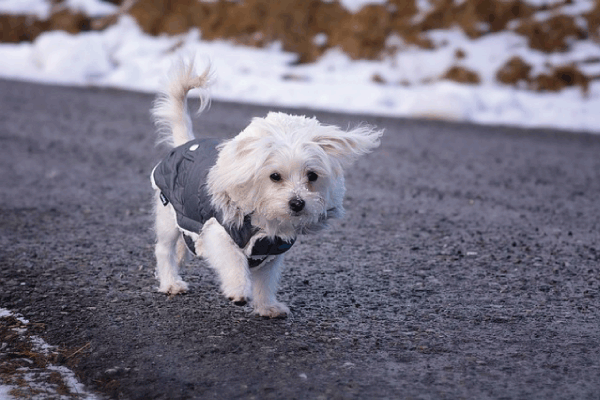
Winter can be a magical time for our canine companions, filled with the joy of snow-filled romps and crisp, invigorating walks. However, this same wonderland can present a host of challenges for their delicate paw pads. The harsh realities of ice, salt, and snow can lead to discomfort, pain, and even serious injury if not properly addressed.
This comprehensive guide will equip you with the knowledge and practical strategies to protect your dog’s paw pads from the adversities of winter, ensuring their safety and comfort throughout the season.
Understanding the Enemy: The Dangers of Winter Paw Hazards
Before we delve into protection strategies, it’s crucial to understand why these winter elements are so detrimental to paw pads.
- Salt and De-icing Chemicals:
- Irritation and Chemical Burns: Rock salt (sodium chloride) and other de-icing chemicals (calcium chloride, magnesium chloride) are highly corrosive. When they come into contact with paw pads, they can cause stinging, burning, redness, and even chemical burns.
- Dehydration and Cracking: These chemicals draw moisture out of the paw pads, leading to dryness, cracking, and fissures. These cracks are painful and can easily become infected.
- Ingestion Toxicity: Dogs sometimes lick their paws after walking on salted surfaces, inadvertently ingesting these chemicals. This can lead to gastrointestinal upset, vomiting, diarrhea, and in severe cases, more serious systemic toxicity.
- Ice:
- Frostbite: Prolonged exposure to freezing temperatures can cause frostbite on paw pads, leading to tissue damage, numbness, and discoloration.
- Cuts and Lacerations: Sharp ice chunks, especially those mixed with gravel or debris, can easily slice or puncture paw pads.
- “Ice Balls” or Snowballs: In dogs with longer fur between their toes, snow can clump and freeze, forming painful ice balls. These can pull on the skin, cause discomfort, and even lead to abrasions.
- Snow:
- Moisture and Chafing: While seemingly benign, packed snow can saturate paw pads, leading to soft, tender skin that is more prone to chafing and irritation.
- Hypothermia: For shorter-haired breeds or dogs with less body fat, prolonged exposure to cold and wet conditions can contribute to overall hypothermia, which affects the entire body, including the paws.
Recognizing the Signs of Paw Pad Distress
Early detection is key to preventing more serious problems. Be vigilant and watch for these signs:
- Limping or Hesitation to Walk: This is the most obvious sign that your dog is experiencing discomfort.
- Excessive Licking or Chewing of Paws: A strong indicator of irritation, pain, or dryness.
- Redness or Inflammation: Look for any signs of redness, puffiness, or irritation on the paw pads.
- Cracked or Fissured Paw Pads: Dryness and damage often manifest as visible cracks.
- Bleeding: In severe cases, cracks can bleed.
- Soreness to the Touch: If your dog flinches or pulls away when you touch their paws, they are likely in pain.
- Absence of Paw Prints in the Snow: If your dog is suddenly avoiding leaving prints, it could be due to discomfort.
- Yellow or White Discoloration: This can be an early sign of frostbite.
Proactive Protection Strategies: Building a Winter Paw Defense
Prevention is far more effective (and less painful for your dog) than treatment. Here are the essential strategies to protect your dog’s paw pads:
1. Paw Balm and Wax – The First Line of Defense
- What they are: These are petroleum-based or natural wax formulations that create a protective barrier on the paw pads. They act like a “bootie” for your dog’s paws.
- How they work: The wax or balm repels moisture, ice, and salt from directly contacting the sensitive skin of the paw pad. It also helps to condition and moisturize the pads, preventing dryness and cracking.
- Application:
- Apply a generous layer to the tops and bottoms of your dog’s paw pads before each outdoor excursion.
- Ensure you cover the entire pad surface, including between the toes.
- Allow it to dry/set for a few minutes before letting your dog go outside, otherwise, they might lick it off.
- Top Picks: Look for products specifically designed for dogs. Popular brands include Musher’s Secret, PawNectar, and various beeswax-based balms.
2. Booties and Paw Wear – The Ultimate Shield
- When to use: For dogs who are particularly sensitive, have pre-existing paw issues, or when conditions are extreme (heavy salt usage, deep snow, icy terrain).
- Types of Booties:
- Soft-soled booties: Offer good flexibility and comfort for everyday wear.
- Rugged, rubber-soled booties: Provide superior traction and protection against sharp objects and ice.
- Waterproof booties: Essential for keeping paws dry in wet snow and slush.
- Choosing the Right Fit:
- Measure Carefully: Measure the length and width of your dog’s paw while they are standing. Most manufacturers provide sizing charts.
- Secure Fit: The booties should be snug but not too tight. They should not slip off.
- Break-in Period: Some dogs may need a short break-in period indoors to get accustomed to wearing booties. Offer treats and praise to make it a positive experience.
- Common Concerns: Some dogs resist wearing booties. Patience, positive reinforcement, and gradual introduction are key. If your dog absolutely refuses, and you can’t find a suitable alternative, focus more heavily on other protection methods.
3. Post-Walk Paw Care – Essential for Recovery
- The “Wash and Wipe Down”: This is perhaps the most critical step after every single winter walk.
- Warm Water Wash: Use lukewarm water to gently wash away any salt, de-icing chemicals, and snow packed on your dog’s paws. You can use a soft cloth, sponge, or even a brush designed for pet paws.
- Thorough Drying: Dry each paw thoroughly with a clean towel, paying special attention to the spaces between the toes. Moisture left behind can lead to irritation and even fungal infections.
- Inspect for Damage: While washing, take the opportunity to closely inspect each paw pad for any redness, cuts, cracks, embedded debris, or signs of frostbite.
- Reapply Balm (if not using booties): If you didn’t use booties, reapply a good quality paw balm or wax after drying to rehydrate and further protect the pads.
4. Managing the Environment – Smart Walking Habits
- Choose Safer Routes: Whenever possible, opt for walking routes that are less likely to be treated with salt or de-icing chemicals. Grassy areas or unpaved trails are often better choices.
- Pavement vs. Snow: While it might seem counterintuitive, walking on packed snow can sometimes be gentler than walking on heavily salted pavement. Assess the conditions and make the best choice for your dog.
- Shorter, More Frequent Walks: Instead of one long, punishing walk, consider several shorter walks. This reduces the cumulative exposure to harsh elements.
- Avoid High-Traffic Areas: Areas with heavy foot and vehicle traffic are more likely to be heavily salted and treated.
- Be Aware of Thawing Ice: Even if ice melts, the water can still hold dissolved salt and chemicals.
5. Fur Management – Tidy Paws for Happy Paws
- Trim Fur Between Toes: For dogs with long fur between their paw pads, snow and ice can easily cling and form painful ice balls. Regularly trim this fur to reduce the risk. Use blunt-tipped scissors and be extremely careful to avoid cutting the skin.
- Consider “Paw Prints” or “Pads Only” Grooming: Some owners choose to have grooms that leave the fur on the paw pads shorter, making it easier to keep them clean and dry.
Addressing Existing Paw Pad Problems
If your dog’s paw pads are already showing signs of distress, here’s what you can do:
- Minor Cracks and Dryness:
- Intensified Paw Balm: Apply a thicker layer of high-quality paw balm several times a day.
- Soothing Soaks: Soak the paws in lukewarm water with a bit of Epsom salt (check with your vet first, as Epsom salt can be drying for some dogs).
- Overnight Booties/Socks: After applying balm, consider putting soft cotton socks or booties on your dog overnight to help the balm penetrate and prevent them from licking it off.
- More Severe Cracks, Cuts, or Burns:
- Veterinary Consultation: It’s crucial to consult your veterinarian immediately if you notice deep cracks, bleeding, signs of infection (pus, swelling, heat), or severe redness/burns.
- Prescription Treatments: Your vet may prescribe antibiotic creams, anti-inflammatory medications, or pain relief to aid healing.
- Bandaging: They may also recommend protective bandaging to keep the paws clean and allow them to heal.
- Frostbite:
- Gentle Rewarming: Gently rewarm the affected paws with lukewarm (not hot) water. Do NOT rub the area, as this can further damage tissue.
- Veterinary Care is Essential: Signs of frostbite require immediate veterinary attention to prevent permanent damage or infection.
Making Winter Walks Enjoyable and Safe
By implementing these protective measures consistently, you can ensure that your dog’s winter adventures are filled with joy and free from the discomfort of “winter woes.” Remember that every dog is an individual, and you may need to experiment to find the combination of protection strategies that works best for your furry friend.
Key Takeaways for Winter Paw Protection:
- Prioritize prevention: Paw balm and booties are your best friends.
- The post-walk ritual is non-negotiable: Wash, dry, and inspect every time.
- Be observant: Watch for any signs of discomfort.
- Consult your vet: For any persistent or severe paw issues.
With a little care and attention, you can help your dog confidently navigate the winter landscape, paws healthy and happy, ready for all the snowy adventures that await!
=================
#dogpaws #winterdog #pawprotection #dogcare #petsafety #doghealth #winterdogs #caninecare #doglover #dogtips #petcare #dogboots #pawbalm #frozenpaws #coldweatherpet #snowdogs #iceandsnow #dogwellness #happydog #saltsafety





Add comment