
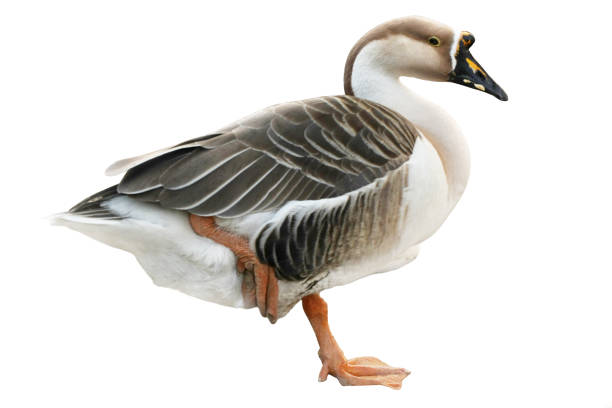
Wry neck, also known as torticollis, is a condition characterized by the abnormal twisting or tilting of a duck’s neck, leading to the head being turned sideways or pulled backward. This condition can range from mild to severe, with the most extreme cases causing the head to be completely immobilized in an unnatural position. In some instances, affected ducks may exhibit head nodding or a fixed, awkward posture, which can greatly hinder their ability to move, eat, and interact with their environment. Torticollis in ducks is often associated with neurological or muscular imbalances, and it can be caused by a variety of underlying factors. Understanding the mechanisms behind this condition is essential for effective diagnosis and treatment, as well as for implementing preventive measures to reduce its occurrence in domestic duck populations.
Causes of Wry Neck in Ducks
Torticollis in ducks can arise from a variety of causes, ranging from infectious to nutritional, traumatic, and congenital origins. One of the most common causes is viral infections, such as duck virus enteritis or avian encephalitis, which can affect the central nervous system and lead to abnormal muscle control in the neck. Bacterial infections, particularly those involving the sinuses, middle ear, or brain, can also contribute to torticollis by causing inflammation and nerve damage. Additionally, parasitic infestations such as mites or lice may irritate the skin and muscles, resulting in muscle spasms or discomfort that manifest as neck twisting. Nutritional deficiencies, particularly those related to vitamin B complex or mineral imbalances, can also lead to neurological impairments that affect muscle coordination. Environmental toxins, such as heavy metals or pesticides, may poison a duck’s nervous system, causing abnormal muscle contractions. In some cases, physical trauma, such as falls or concussions, can result in torticollis by damaging the neck muscles or vertebrae. Finally, congenital conditions or developmental abnormalities can lead to an inherited susceptibility to torticollis. Identifying the specific cause is essential for determining the most appropriate treatment and improving the chances of recovery.
Signs and Symptoms of Wry Neck in Ducks
Wry neck in ducks presents with a range of distinct symptoms, many of which are directly linked to the underlying causes of the condition. One of the most noticeable signs is the characteristic tilting or twisting of the neck, which may vary in severity from a slight head tilt to a complete backward or sideways bend. Affected ducks often have difficulty holding their head in an upright position, and the head may appear locked in an abnormal posture. Behavioral changes are also common, including decreased activity, reluctance to move, or an inability to maintain balance. In more severe cases, ducks may exhibit ataxia, which is uncoordinated movement or an unsteady gait, making it difficult for them to walk or swim. Some ducks with torticollis may also display abnormal eye movements, such as rolling or twitching of the eyes, which can indicate neurological involvement. Additionally, affected birds may show signs of discomfort, such as excessive head shaking, pulling the head back, or reluctance to eat due to difficulty reaching food or water. These symptoms often point to an underlying neurological or muscular disorder, underscoring the importance of early detection and accurate diagnosis.
Duck Breeds at Risk of Wry Neck
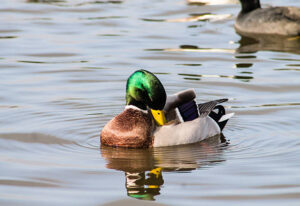
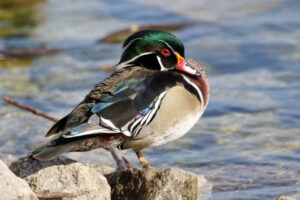
While wry neck can affect various duck breeds, certain species are more prone to this condition due to genetic, physiological, or behavioral factors. Mallards (Anas platyrhynchos) are among the most vulnerable, as they are often exposed to environmental pathogens that can lead to neurological infections. Their tendency to forage in diverse habitats, including stagnant water bodies and areas contaminated with avian pathogens, increases the likelihood of developing torticollis due to bacterial or viral exposure. Similarly, Pekin ducks (Aix galericulata) are particularly susceptible, especially to viral-induced cases of wry neck. Their large body size and fast-growing nature can lead to weaker muscle development, making them more prone to musculoskeletal issues or congenital abnormalities that result in torticollis. Additionally, domesticated Pekin ducks raised in confined spaces may experience higher levels of stress or poor ventilation, contributing to respiratory or neurological complications. Muscovy ducks (Cairina moschata), on the other hand, are more likely to experience wry neck due to bacterial infections, especially in outdoor-reared populations exposed to environmental contaminants. Their unique physiology, including a larger head-to-body ratio and slower gait, can also contribute to musculoskeletal imbalances that result in neck twisting. Understanding the predispositions of these breeds is essential for implementing targeted prevention strategies and early intervention.
Life Stages Affected by Wry Neck in Ducks
Wry neck can affect ducks at various life stages, with differing causes and presentations depending on the age of the bird. In hatchlings, torticollis often arises from congenital factors or early post-hatching infections. One common cause in newly hatched ducklings is yolk sac infection in the egg, which can lead to neurological impairments before hatching. Additionally, hatchlings may develop wry neck due to nutritional deficiencies, particularly an insufficient supply of essential vitamins such as B12 or niacin. These deficiencies may result from poor-quality feed or inadequate maternal nutrition during incubation. In young ducks, approximately 2 to 8 weeks of age, torticollis is frequently associated with viral or bacterial infections, such as duck virus enteritis or avian encephalitis. These infections can spread rapidly in crowded hatchery or brooding environments, leading to widespread cases of neck twisting in ducklings. As ducks reach the juvenile stage, they may still be vulnerable to wry neck caused by parasitic infestations or traumatic injuries due to their increased activity and exploration. In adult ducks, the condition is less common but can still occur due to environmental toxins, chronic infections, or musculoskeletal disorders. Age-related changes in bone and joint health may also contribute to torticollis in older ducks. Understanding the life stage-specific causes of wry neck is vital for effective diagnosis and treatment, ensuring timely interventions tailored to the affected bird’s developmental stage.
Diagnosis of Wry Neck in Ducks
Diagnosing wry neck in ducks involves a systematic approach that combines clinical evaluation, laboratory testing, and imaging techniques to identify the underlying cause. The initial step is a thorough physical examination of the affected bird, focusing on the range of motion of the neck, muscle tone, and any signs of discomfort. Veterinarians will assess the severity of the head tilt and note any associated symptoms, such as ataxia, eye movement abnormalities, or reluctance to eat. A detailed history of the duck’s environment, diet, and exposure to potential pathogens is also crucial in narrowing down the possible causes of torticollis.
Blood tests are often performed to detect signs of infection or nutritional deficiencies that may contribute to the condition. These tests can identify abnormal levels of vitamins, electrolytes, or immune system markers that suggest an underlying disorder. Additionally, cerebrospinal fluid (CSF) analysis may be necessary if a neurological condition is suspected, as it can reveal signs of inflammation or infection affecting the central nervous system.
In some cases, imaging techniques such as X-rays or MRI scans may be used to examine the skeletal structure of the neck and assess for any abnormalities, such as bone fractures, tumors, or developmental issues. These imaging modalities can provide valuable insights into structural causes of torticollis, especially in cases where the condition is suspected to result from congenital or traumatic factors.
Differential diagnosis is also essential in the diagnostic process, as torticollis can be confused with other neurological or musculoskeletal conditions. For instance, avian encephalitis, avian influenza, or vitamin E deficiency can all present with similar symptoms, requiring careful differentiation. By combining clinical observations with diagnostic tests, veterinarians can accurately determine the root cause of wry neck in ducks, enabling appropriate treatment and management strategies.
Treatment Options for Wry Neck in Ducks
The treatment of wry neck in ducks largely depends on the underlying cause of the condition. In many cases, a combination of supportive care, medication, and environmental adjustments is necessary to promote recovery and alleviate symptoms. If the condition is caused by a bacterial infection, such as those affecting the sinuses or central nervous system, antibiotic therapy is often prescribed. The choice of antibiotics depends on the specific bacteria isolated from laboratory tests, and the treatment duration is typically determined by the severity of the infection. In viral cases, such as duck virus enteritis or avian encephalitis, there are no specific antiviral drugs available, so supportive care becomes the primary approach. This includes maintaining hydration, providing warmth, and administering fluids to prevent dehydration and stress-induced complications.
For ducks suffering from nutritional deficiencies, dietary adjustments are essential to restore the necessary vitamins and minerals. Supplemental vitamin B complex, particularly B12 and niacin, may be administered orally or through injections to address neurological impairments resulting from deficiency. Additionally, ensuring a balanced diet with adequate levels of calcium, phosphorus, and protein can help improve overall musculoskeletal health and reduce the risk of recurrence.
In cases where wry neck is caused by parasitic infestations, such as mites or lice, antiparasitic treatments are required. These may include topical applications of insecticides or parasiticidal medications, which help eradicate the infestation and relieve the irritation that leads to abnormal posture. Ducks affected by environmental toxins, such as heavy metal poisoning, may need chelation therapy or other detoxifying agents to remove the harmful substances from their system. However, these treatments are typically reserved for severe cases and require close veterinary supervision.
In some situations, physical therapy or manual repositioning of the head may be attempted under controlled conditions to alleviate discomfort and encourage proper movement. Ducks with chronic or severe wry neck may also benefit from supportive measures such as restricted movement in a calm and stress-free environment, allowing the affected bird time to recover without further strain. Overall, the effectiveness of treatment varies depending on the severity of the condition and the timeliness of intervention. Regular monitoring and follow-up with a veterinarian are essential to assess progress and adjust the treatment plan as needed.
Prognosis and Complications of Wry Neck in Ducks
The prognosis for ducks suffering from wry neck varies depending on the underlying cause, the severity of the condition, and the timeliness of treatment. In cases where the condition is mild and caused by transient factors such as nutritional deficiencies or minor injuries, affected ducks may recover fully with appropriate intervention. Supplemental vitamins, especially B12 and niacin, can help correct metabolic imbalances, while rest and supportive care can aid in the healing of musculoskeletal injuries. However, if the wry neck is caused by a progressive or irreversible condition, such as severe viral infections or advanced neurological damage, the recovery may be limited or even impossible. Ducks with congenital or developmental abnormalities that lead to chronic torticollis may also have a poor long-term prognosis, as these conditions typically do not respond well to treatment and may progressively worsen over time.
One of the most serious complications associated with wry neck is the increased risk of secondary infections. Ducks with abnormal head positions are more likely to experience difficulty eating, drinking, or maintaining hygiene, which can lead to aspiration pneumonia or other opportunistic infections. Additionally, prolonged immobility due to severe cases of torticollis can result in muscle atrophy and joint stiffness, further limiting the affected bird’s mobility. In extreme cases, chronic pain and discomfort may lead to behavior changes, including aggression or reluctance to interact with other ducks, which can have social and psychological consequences. Ducks that do not recover may also become more susceptible to predation, as their impaired mobility and reduced alertness make them easier targets. Early diagnosis and prompt treatment are essential in reducing the risk of complications and improving the chances of a full recovery for affected ducks.
Prevention of Wry Neck in Ducks
Preventing wry neck in ducks requires a multifaceted approach that addresses potential risk factors and promotes overall flock health. One of the most effective strategies is maintaining strict biosecurity measures to minimize the spread of infectious diseases that can lead to torticollis. This includes isolating new or sick birds before introducing them to the main flock, regularly disinfecting housing areas, and avoiding contact with contaminated water sources that may harbor pathogens such as botulism. Ducks raised in confined spaces are particularly susceptible to bacterial and viral infections, making it essential to provide clean, well-ventilated housing with sufficient space for movement.
Vaccination is another critical component of wry neck prevention, especially for commercial duck farms or backyard flocks at risk of viral-induced torticollis. Vaccines against common avian pathogens, such as duck virus enteritis and avian influenza, can significantly reduce the likelihood of neurological complications that may result in wry neck. Additionally, implementing a structured deworming and parasite control program can help prevent parasitic infestations that may lead to irritation or damage to the muscular and nervous systems of ducks.
Proper nutrition plays a vital role in preventing wry neck, particularly when it is caused by vitamin and mineral deficiencies. A balanced diet rich in B-complex vitamins, niacin, and other essential nutrients supports healthy neurological function and muscle coordination. Ensuring a steady supply of clean water, fresh feed, and mineral supplements helps maintain optimal health and reduces the risk of metabolic disorders that can contribute to torticollis. Additionally, providing ducks with a balanced ratio of calcium and phosphorus is essential for maintaining strong bones and joints, which can help prevent musculoskeletal issues that may lead to neck abnormalities.
In addition to these measures, it is important to monitor ducks regularly for early signs of wry neck or other neurological symptoms. Regular health checks, including assessments of posture, movement, and feeding behavior, can help identify potential issues before they progress to more severe cases. By implementing preventive strategies such as biosecurity, vaccination, parasite control, and proper nutrition, duck keepers can significantly reduce the incidence of wry neck and improve the overall well-being of their flock.
Diet and Nutrition for Preventing Wry Neck in Ducks
Ensuring a well-balanced and nutritionally complete diet is essential for preventing wry neck in ducks, as deficiencies in certain vitamins and minerals can contribute to the development of neurological and musculoskeletal disorders. A primary concern for duck nutrition is the inclusion of B-complex vitamins, particularly B1 (thiamine), B12 (cobalamin), and niacin, which play crucial roles in maintaining nerve function and muscle coordination. Thiamine deficiency is known to cause neurological impairments in waterfowl, leading to symptoms such as head tilting, incoordination, and wry neck. Similarly, niacin deficiency can result in avitaminosis, a condition that affects the nervous system and may manifest as abnormal head postures and leg weakness. Including fortified feed or natural sources of these nutrients, such as whole grains, corn, and legumes, can help prevent these deficiencies and reduce the risk of torticollis in duck populations.
In addition to B vitamins, adequate calcium and phosphorus intake is essential for maintaining bone and joint health. Ducks with imbalances in these minerals may experience skeletal abnormalities, including soft or deformed bones, which can lead to structural issues that contribute to wry neck. Providing a diet that includes calcium-rich foods such as crushed oyster shells or limestone, along with phosphorus sources like fish meal or legume-based feeds, helps support proper skeletal development and mobility. Moreover, vitamin D is critical for calcium absorption, making it important to ensure ducks have access to adequate sunlight or supplemental vitamin D to prevent calcium metabolism disorders.
Another key nutritional factor in preventing wry neck is the inclusion of high-quality protein sources in the duck’s diet. Protein is essential for muscle development and repair, particularly in young ducks whose musculoskeletal systems are still developing. A deficiency in protein can lead to weak muscle tone and impaired coordination, increasing the likelihood of musculoskeletal imbalances that may manifest as torticollis. Commercial duck feeds are typically formulated to meet the protein needs of different life stages, but supplemental sources such as soybean meal, fishmeal, or insect-based protein can further support muscle health. It is also important to avoid excessive levels of goitrogens—compounds found in certain plants such as kale, rutabagas, and cabbages—which can interfere with thyroid function and potentially contribute to neurological complications.
Proper hydration is another crucial aspect of duck nutrition, as dehydration can exacerbate mineral and vitamin deficiencies, leading to a higher risk of wry neck. Ducks should have constant access to clean, fresh water to support metabolic functions and nutrient absorption. Additionally, providing a balanced ratio of electrolytes, especially in hot or stressful conditions, can help maintain fluid balance and prevent neurological symptoms associated with electrolyte imbalances. By carefully managing the diet of ducks and ensuring they receive all essential nutrients, duck keepers can significantly reduce the risk of wry neck and promote overall health and mobility in their flocks.
Zoonotic Risk and Human Health Considerations
While wry neck in ducks is primarily a condition affecting avian health, there are instances where the underlying causes of torticollis may pose zoonotic risks to humans. Certain bacterial and parasitic infections that contribute to wry neck can be transmitted to people, particularly those who handle or care for affected ducks. For example, botulism, one of the leading causes of wry neck in birds, is caused by the Clostridium botulinum bacterium. Although human botulism is relatively rare, it can occur through the consumption of contaminated food or contact with infected animals. Ducks that have developed botulism-induced torticollis should be isolated, and handlers should take precautions, such as wearing gloves and practicing good hygiene, to minimize the risk of exposure.
Another potential zoonotic concern is the transmission of avian influenza viruses, which, while not directly causing wry neck, can lead to neurological complications in ducks and pose a risk to human health. In severe cases of avian influenza, birds may exhibit neurological symptoms, including head tilting and incoordination, which can resemble torticollis. Individuals who work closely with poultry, especially in commercial duck farms, should be aware of the potential for zoonotic transmission and adhere to biosecurity protocols to prevent personal exposure. Additionally, ducks affected with certain parasitic infections, such as those caused by mites or lice, may transfer ectoparasites to humans, leading to skin irritation or secondary infections if not properly managed.
To mitigate the zoonotic risks associated with wry neck in ducks, it is essential to practice good animal husbandry, including regular cleaning of duck housing, proper disposal of deceased birds, and the use of protective measures when handling sick or infected ducks. Veterinary consultation should be sought when diagnosing and treating cases of torticollis to determine the exact cause and assess any potential public health concerns. By following proper hygiene and biosecurity measures, duck keepers can reduce the likelihood of transmitting zoonotic pathogens while also ensuring the health and well-being of their flock.
#DuckHealth, #TorticollisTreatment, #PoultryCare, #DuckNutrition, #AvianParasites, #DuckVetCare, #BirdHealth, #TorticollisInDucks, #AvianInfections, #DuckBreedingHealth, #WaterfowlWellness, #DuckVet, #PoultryHealth, #DuckTreatment, #DuckDiseasePrevention, #ZoonoticDiseases, #DuckNutritionTips, #DuckFlockHealth, #AvianMedicine, #DuckRehabilitation


Add comment