
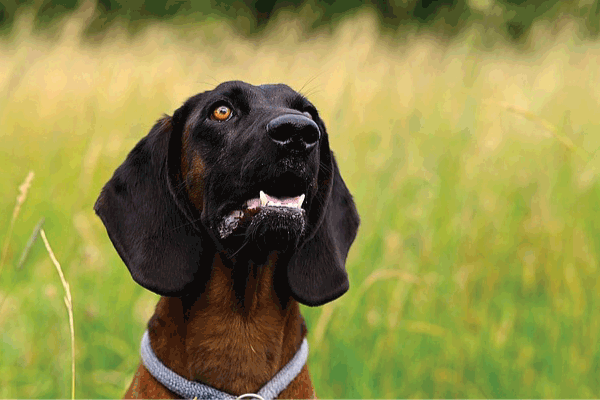
Yeast and thrush, commonly referred to as fungal infections, are prevalent conditions that can affect dogs of all ages and breeds. While a small amount of yeast is a normal inhabitant of a dog’s skin, ears, and gastrointestinal tract, an overgrowth can lead to uncomfortable and sometimes serious health issues. This guide will delve deep into the causes, signs, affected breeds, diagnosis, treatment, prognosis, complications, prevention, and the zoonotic risk associated with yeast and thrush in dogs.
Understanding Yeast and Thrush in Dogs
Yeast, particularly Malassezia pachydermatis, is a type of fungus that naturally lives on the skin and in the ears of dogs. In healthy individuals, the immune system and normal physiological processes keep the yeast population in check. However, when this balance is disrupted, yeast can proliferate, leading to a fungal infection. Thrush is a term often used interchangeably with yeast infection, especially when it affects the oral cavity or mucous membranes, though it can also refer to skin and ear infections.
Causes of Yeast Overgrowth and Infection
Several factors can contribute to an overgrowth of yeast in dogs, disrupting the natural balance and leading to infection. Understanding these causes is crucial for effective prevention and treatment.
- Allergies: This is arguably the most common underlying cause of recurrent yeast infections. Dogs can suffer from various types of allergies, including:
- Environmental Allergies (Atopy): These are triggered by inhaled allergens like pollen, dust mites, mold spores, and dander from other animals. The immune system overreacts to these substances, leading to inflammation and a compromised skin barrier.
- Food Allergies/Intolerances: Certain ingredients in a dog’s diet can trigger an immune response, manifesting as skin issues, including yeast overgrowth. Common culprits include proteins like chicken, beef, dairy, and grains.
- Flea Allergy Dermatitis (FAD): A hypersensitivity to flea saliva can cause intense itching and inflammation, creating an ideal environment for yeast to thrive.
- Underlying Medical Conditions: Certain systemic diseases can weaken a dog’s immune system or alter their body’s natural defenses, making them more susceptible to yeast infections.
- Endocrine Disorders:
- Hypothyroidism: A deficiency in thyroid hormones impairs metabolism and can lead to changes in skin and coat quality, increased susceptibility to infections, and a weakened immune response.
- Cushing’s Disease (Hyperadrenocorticism): This condition involves the overproduction of cortisol, which suppresses the immune system and thins the skin, making it vulnerable to secondary infections like yeast.
- Immune System Deficiencies: Congenital or acquired conditions that impair the immune system make dogs less capable of controlling yeast populations.
- Endocrine Disorders:
- Antibiotic Use: While antibiotics are essential for bacterial infections, they can inadvertently disrupt the natural balance of microflora (including beneficial bacteria) on the skin and in the gut. This disruption can allow opportunistic yeast to multiply unchecked.
- Moisture and Warmth: Yeast thrives in warm, moist environments. Areas of the body where moisture can get trapped are particularly prone to infection.
- Skin Folds: Breeds with deep skin folds (e.g., Bulldogs, Pugs, Shar-Peis) are at high risk because moisture and debris can accumulate in these areas, creating a breeding ground for yeast and bacteria.
- Ears: The ear canal is a naturally warm and sometimes humid environment. Excessive moisture from swimming, bathing, or poor ear conformation can lead to yeast overgrowth.
- Paws: The spaces between a dog’s toes can trap moisture and debris, especially after walks or exposure to wet conditions.
- Poor Grooming and Hygiene: Inadequate grooming can lead to a buildup of dirt, dander, and oils on the skin, which can harbor yeast and bacteria. Neglecting to clean the ears, especially for predisposed breeds, also increases the risk.
- Diet: While less common as a primary cause, a diet lacking in essential nutrients or one that is high in carbohydrates can potentially contribute to an imbalance in the body, though allergies are a much more significant dietary factor.
- Stress: Chronic stress can negatively impact the immune system, making dogs more vulnerable to infections.
Signs and Symptoms of Yeast and Thrush in Dogs
The signs and symptoms of yeast infections can vary depending on the location and severity of the overgrowth. However, some common indicators are observable.
Common Signs and Symptoms Across All Locations:
- Itching (Pruritus): This is often the most prominent symptom. Dogs will scratch, lick, chew, or rub the affected areas incessantly.
- Redness (Erythema): The affected skin will appear inflamed and red.
- Odor: A distinct musty, cheesy, or yeasty smell is a hallmark sign of a yeast infection. This odor is often strongest in affected ears or skin folds.
- Greasy or Oily Skin: In some cases, the skin may appear unusually oily or greasy.
- Thickened Skin (Lichenification): Chronic yeast infections can lead to the skin becoming thickened, leathery, and darker in color.
- Hair Loss (Alopecia): Persistent scratching and inflammation can cause hair to fall out in the affected areas.
Specific Symptoms by Location:
- Ears:
- Excessive head shaking.
- Scratching at the ears.
- Rubbing ears against furniture or the floor.
- Discharge from the ears (often dark brown, waxy, or greasy).
- Pain or sensitivity when the ears are touched.
- A strong, unpleasant odor emanating from the ears.
- In severe cases, a loss of balance or head tilting due to inner ear involvement.
- Skin (Body, Paws, Face):
- Skin Folds: Redness, moisture, odor, and irritation within the folds.
- Paws: Redness and inflammation between the toes and on the paw pads, excessive licking of paws, hair discoloration (often reddish-brown) due to saliva staining.
- Face: Redness and irritation around the muzzle, chin, and eyes.
- General Skin: Patches of red, inflamed skin, sometimes with small bumps or pustules.
- Oral Cavity (Thrush):
- White or creamy patches on the tongue, inner cheeks, gums, or roof of the mouth.
- Soreness or difficulty eating.
- Bad breath.
- Drooling.
- In puppies, thrush can be more widespread and sometimes associated with gastrointestinal upset.
- Gastrointestinal Tract:
- While Malassezia is more commonly associated with skin and ear infections, sometimes GI yeast overgrowth (especially Candida) can occur, particularly in puppies or immunocompromised dogs.
- Symptoms can include diarrhea, vomiting, lethargy, and poor appetite.
Dog Breeds at Risk
Certain breeds are genetically predisposed to developing yeast infections due to their physical characteristics or a tendency towards allergies.
- Breeds with Skin Folds: Dogs with deep facial folds, such as Bulldogs, Pugs, French Bulldogs, Shar-Peis, and Basset Hounds, are highly susceptible. The skin folds create a warm, moist environment where yeast and bacteria can easily proliferate. These folds require diligent cleaning and drying to prevent infections. Without proper hygiene, the skin within these folds becomes chronically inflamed, red, and prone to secondary yeast overgrowth, often accompanied by a strong odor.
- Breeds Prone to Allergies: Many breeds have a higher incidence of atopic dermatitis (environmental allergies) and food allergies, which are significant drivers of yeast infections. Examples include West Highland White Terriers, Cairn Terriers, Scottish Terriers, Golden Retrievers, Labrador Retrievers, Dachshunds, German Shepherds, and Shih Tzus. These breeds often experience recurrent itching and inflammation, which compromises their skin barrier and allows yeast to flourish. Identifying and managing the underlying allergies is paramount in controlling yeast infections in these dogs.
- Breeds with Floppy Ears: Breeds like Cocker Spaniels, Basset Hounds, and Dachshunds often have ear canals that are not well-ventilated due to their long, pendulous ears. This can lead to a buildup of moisture and wax, creating an ideal environment for yeast and bacteria. The narrow ear canal opening in some breeds further exacerbates this issue, making them more prone to otitis externa (outer ear infections) often caused by yeast.
- Breeds with Specific Skin Conditions: Certain breeds may have inherent skin issues that predispose them to yeast. For example, Shar-Peis have a tendency to develop a condition called Shar-Pei Fever and entropion, which can contribute to skin fold issues; Dachshunds can be prone to intertrigo (inflammation of skin folds); and West Highland White Terriers are known for their predisposition to Westie Lung and often suffer from allergies.
Affects Puppy, Adult, or Older Dogs?
Yeast and thrush infections can affect dogs at any life stage, from young puppies to senior dogs. However, certain stages may present with different nuances and underlying causes.
- Puppies: Puppies are more susceptible to generalized thrush, especially in their oral cavity and gastrointestinal tract. Their immune systems are still developing, making them less capable of fighting off opportunistic infections. Puppies born to mothers with poor health or hygiene might be more vulnerable. Gastrointestinal yeast overgrowth can be a concern in very young puppies, often manifesting as diarrhea. Overuse of antibiotics for common puppy ailments can also lead to secondary yeast issues.
- Adult Dogs: Adult dogs are most commonly affected by skin and ear yeast infections, often due to allergies (environmental, food, flea) or endocrine disorders like hypothyroidism or Cushing’s disease. These conditions can develop or become more apparent in adulthood. Improper diet or exposure to moisture can also trigger infections in adult dogs. Recurrent yeast infections in adult dogs are a strong signal that there is an underlying issue that needs to be identified and managed.
- Older Dogs: Senior dogs may be more prone to yeast infections due to a naturally weakening immune system and a higher likelihood of developing age-related diseases such as endocrine disorders (hypothyroidism, Cushing’s disease) or other chronic illnesses that compromise immune function. Skin changes associated with aging, such as reduced oil production or a less robust skin barrier, can also make them more susceptible. Chronic ear infections or skin issues that have been present for a long time may worsen in older dogs.
Diagnosis of Yeast and Thrush
A veterinarian will employ a combination of physical examination, diagnostic tests, and a thorough history to diagnose yeast and thrush in dogs.
- Veterinary History: The veterinarian will ask detailed questions about:
- The onset and duration of symptoms.
- The nature of the itching and any behavioral changes.
- Diet, including any recent changes or treats.
- Exposure to potential allergens (other pets, environment).
- Previous treatments and their effectiveness.
- Any known underlying medical conditions.
- Physical Examination: The veterinarian will:
- Perform a thorough visual inspection of the dog’s skin, ears, paws, and oral cavity.
- Note the presence of redness, inflammation, discharge, odor, hair loss, and skin thickening.
- Gently palpate the skin and ears to assess for pain or discomfort.
- Diagnostic Tests:
- Cytology (Impression Smear or Swab): This is the most common and crucial diagnostic tool. A sample of discharge or cells from the affected area (skin, ear canal, or oral lesion) is collected, stained, and examined under a microscope. This allows the veterinarian to identify the presence and abundance of yeast (like Malassezia) and sometimes bacteria, as well as inflammatory cells.
- Fungal Culture: If a fungal infection other than Malassezia is suspected (less common for typical yeast infections but potentially for ringworm), a fungal culture may be performed.
- Skin Scrapings: To rule out other parasites like Demodex mites or Sarcoptes mites which can cause similar symptoms.
- Allergy Testing: If allergies are suspected as the underlying cause, intradermal skin testing or serum (blood) allergy testing may be recommended.
- Blood Tests:
- Complete Blood Count (CBC) and Biochemistry Profile: To assess overall health and rule out systemic illnesses.
- Thyroid Panel: To check for hypothyroidism.
- ACTH Stimulation Test or Low-Dose Dexamethasone Suppression Test: To diagnose Cushing’s disease.
- Food Elimination Trial: If food allergies are suspected, a strict hypoallergenic diet trial is the gold standard for diagnosis. This involves feeding a novel protein or hydrolyzed protein diet for 8-12 weeks to see if symptoms improve.
Treatment of Yeast and Thrush
Treatment for yeast and thrush in dogs typically involves a multi-faceted approach aimed at eliminating the yeast overgrowth, treating any secondary bacterial infections, managing the underlying cause, and preventing recurrence.
- Antifungal Medications:
- Topical Antifungals: These are the mainstay of treatment for localized infections. They come in various forms:
- Medicated Shampoos: Contain ingredients like miconazole, ketoconazole, or chlorhexidine (which has some antifungal properties). These are used for bathing the dog, often weekly or bi-weekly, depending on the severity.
- Medicated Wipes/Pads: Useful for cleaning specific areas, such as skin folds or paws.
- Medicated Sprays: Can be applied to larger areas of affected skin.
- Medicated Ear Cleaners/Drops: Specifically formulated for ear infections, often containing antifungals, antibiotics, and an anti-inflammatory agent. Examples include Miconazole or Ketoconazole ear drops.
- Ointments/Creams: Applied directly to small, localized lesions or within skin folds.
- Oral Antifungals: For more severe or widespread infections, or when topical treatments are insufficient, oral antifungal medications may be prescribed. Common oral antifungals include:
- Ketoconazole: Effective against Malassezia.
- Itraconazole: Another potent antifungal.
- Fluconazole: Often used for more systemic or difficult-to-treat infections.
- Terbinafine: Can also be used in some cases.
- Important Note: Oral antifungals can have side effects, and liver function monitoring may be required during treatment.
- Topical Antifungals: These are the mainstay of treatment for localized infections. They come in various forms:
- Antibiotics (for Secondary Bacterial Infections): Yeast infections often occur alongside or lead to secondary bacterial infections (pyoderma). Your veterinarian will determine if antibiotics are necessary, which may be topical or oral.
- Medications for Underlying Causes:
- Allergies:
- Antihistamines: May provide mild relief for itching.
- Steroids (Corticosteroids): Such as prednisone, can provide rapid relief from itching and inflammation but are generally used short-term due to side effects.
- Immunosuppressants: Cyclosporine (Atopica) or oclacitinib (Apoquel) are often used for long-term management of allergies, reducing inflammation and itching.
- Allergen-Specific Immunotherapy (ASIT): “Allergy shots” or sublingual immunotherapy based on allergy testing results.
- Endocrine Disorders:
- Hypothyroidism: Thyroid hormone replacement therapy (levothyroxine).
- Cushing’s Disease: Medications like trilostane (Vetoryl) or mitotane (Lysodren).
- Allergies:
- Supportive Care and Management:
- Thorough Cleaning: Regular cleaning of ears and skin folds with appropriate veterinary-approved solutions is crucial. For ear infections, the vet may perform an initial deep cleaning.
- Dietary Management: If food allergies are diagnosed, a strict hypoallergenic diet is essential.
- Environmental Control: Reducing exposure to environmental allergens where possible.
- Parasite Control: Strict flea and tick prevention is vital, especially for dogs with flea allergy dermatitis.
- Duration of Treatment: Treatment for yeast infections can be prolonged, often lasting several weeks to months. It’s crucial to follow the veterinarian’s instructions precisely and complete the entire course of medication, even if symptoms improve, to prevent recurrence.
Prognosis & Complications
The prognosis for dogs with yeast and thrush infections is generally good, especially when the underlying cause is identified and effectively managed. However, complications can arise if left untreated or if the underlying condition is severe.
Prognosis:
- Favorable: With prompt diagnosis and appropriate, consistent treatment, most yeast infections can be cleared, and dogs can return to comfort. The key is addressing the root cause.
- Guarded: In cases of severe, chronic infections, or when underlying systemic diseases are poorly controlled, the prognosis can be more guarded. Recurrent infections can significantly impact a dog’s quality of life.
Potential Complications:
- Chronic Dermatitis: Persistent inflammation and scratching can lead to irreversible changes in the skin, such as thickening, darkening (hyperpigmentation), and leathery texture (lichenification).
- Secondary Bacterial Infections: Yeast infections weaken the skin barrier, making it more susceptible to bacterial infections, which can complicate treatment and worsen symptoms.
- Ear Damage: Chronic or severe ear infections can lead to scarring of the ear canal, calcification of cartilage, and in rare cases, rupture of the eardrum, potentially leading to hearing loss or balance problems (vestibular issues).
- Pain and Discomfort: Persistent itching and inflammation cause significant distress and can lead to behavioral changes like aggression or anxiety.
- Systemic Spread: While rare in immunocompetent dogs, severe yeast infections can potentially spread to internal organs, particularly in immunocompromised individuals.
- Recurrence: Without addressing the underlying cause (allergies, endocrine disorders, etc.), yeast infections are highly likely to recur, requiring ongoing management.
Prevention of Yeast and Thrush
Preventing yeast and thrush infections involves maintaining good hygiene, managing underlying conditions, and a proactive approach to your dog’s health.
- Regular Grooming and Cleaning:
- Bathing: Regular bathing with a veterinarian-recommended, hypoallergenic or medicated shampoo can help control yeast populations. Frequency will depend on your dog’s breed, skin condition, and any existing issues.
- Ear Cleaning: For breeds prone to ear infections, regular (e.g., weekly) cleaning with a veterinary-approved ear cleaner is essential to remove excess wax and moisture.
- Skin Fold Cleaning: For breeds with deep skin folds, daily or every-other-day cleaning and drying of the folds with a soft cloth or specialized wipes is crucial.
- Manage Allergies:
- Flea Control: Implement a rigorous, year-round flea and tick prevention program.
- Dietary Management: If food allergies are suspected, work with your veterinarian on a strict hypoallergenic diet trial.
- Environmental Control: Minimize exposure to known environmental allergens where possible (e.g., regular vacuuming, air purifiers).
- Address Underlying Medical Conditions:
- Regular veterinary check-ups are vital for early detection and management of conditions like hypothyroidism or Cushing’s disease.
- Strictly adhere to treatment plans for diagnosed chronic illnesses.
- Diet and Nutrition:
- Feed a high-quality, balanced diet appropriate for your dog’s age, breed, and activity level.
- Avoid excessive carbohydrates if your dog is prone to fungal issues, though allergies are a more direct dietary link.
- Minimize Moisture Exposure:
- After baths, swimming, or playing in wet conditions, thoroughly dry your dog, paying attention to ears, paws, and skin folds.
- Consider protective booties for paws in wet or muddy conditions.
- Probiotics: While not a primary prevention, some veterinarians recommend probiotics for dogs with a history of gastrointestinal or skin issues, as they may help maintain a healthy balance of microflora. Discuss this with your vet.
- Stress Reduction: Ensure your dog has a stable, low-stress environment, as chronic stress can weaken the immune system.
Diet and Nutrition
Diet plays a significant role in managing yeast infections, particularly when allergies are the underlying cause.
- Hypoallergenic Diets: For dogs with diagnosed food allergies, prescription diets are crucial. These diets use novel protein sources (proteins the dog has never been exposed to before, like duck, venison, or kangaroo) or hydrolyzed proteins (proteins broken down into very small molecules that the immune system is less likely to recognize as allergens). Consistent adherence to these diets is paramount for symptom control.
- Balanced Nutrition: Regardless of allergies, feeding a high-quality, balanced commercial dog food or a veterinarian-approved home-cooked diet ensures your dog receives essential nutrients for a healthy immune system and skin barrier. Look for foods rich in Omega-3 and Omega-6 fatty acids, which can help support skin health.
- Carbohydrates: While some theories suggest high-carbohydrate diets can “feed” yeast, the scientific evidence for this directly causing skin Malassezia overgrowth is less robust than the link with allergies. However, a diet that is too heavy in certain grains or starches could potentially contribute to overall inflammation in sensitive dogs. Focus on quality protein and healthy fats.
- Supplements:
- Omega-3 and Omega-6 Fatty Acids: Fish oil and other fatty acid supplements can help improve skin barrier function, reduce inflammation, and promote a healthy coat.
- Probiotics: Beneficial bacteria can support gut health, which is linked to overall immune function and can help prevent imbalances that might contribute to yeast overgrowth.
- Avoiding Triggers: Be mindful of treats, table scraps, and rawhide chews, as these can often contain common allergens or ingredients that may exacerbate sensitivities. Stick to veterinarian-approved treats.
Zoonotic Risk
Generally, the yeast species that commonly cause infections in dogs, particularly Malassezia pachydermatis, are considered low-risk for zoonotic transmission (transmission from animals to humans).
- Malassezia pachydermatis: This yeast is a normal commensal organism found on the skin of many warm-blooded animals, including humans. While it can cause opportunistic infections in immunocompromised individuals or in specific circumstances (e.g., newborns), it is not considered a highly contagious pathogen between dogs and humans in typical household environments. Direct transfer of the yeast is possible but rarely leads to infection in healthy individuals.
- Other Fungi: It’s important to distinguish Malassezia from other fungal organisms that can affect dogs, such as dermatophytes (e.g., Microsporum canis, which causes ringworm). Ringworm is zoonotic and can be transmitted to humans, causing itchy, circular skin lesions. If ringworm is suspected (which presents differently than typical yeast infections), appropriate isolation and treatment protocols are crucial for both the dog and household members.
- Hygiene is Key: Good hygiene practices are always recommended when handling pets, especially those with skin conditions. Washing your hands thoroughly after petting your dog, cleaning up any discharges, and maintaining a clean living environment will minimize any potential, albeit low, risk of transmission for any pathogen.
If you have concerns about zoonotic transmission, it is always best to consult your veterinarian or a medical professional.
#dogyeastinfection #caninefungalinfection #malasseziadog #dogdermatology #itchydog #dogskininfection #yeastyeardog #doghealth #caninehealth #pethealth #dogallergies #dogcare #doglover #vetadvice #dogwellness #fungaldog #dogtips #dogowner #furryfriend #petcare #dogskin #dogears #dogpaws #dogtreatment #dogprognosis #dogprevention #dogdiet #zoonosispet #dogsofinstagram #dogstagram #instadog.





Add comment