
Zinc deficiency in ducks, though often overlooked, is a significant nutritional disorder that can lead to serious health consequences if left unaddressed. This comprehensive guide will delve into all aspects of zinc deficiency in domestic and commercial duck populations. We will explore its causes, clinical signs, susceptible breeds, life stage impacts, diagnostic procedures, treatment protocols, prognosis, complications, preventive measures, nutritional requirements, and zoonotic risks. With waterfowl increasingly popular in backyard farming and commercial poultry production, recognizing and managing micronutrient deficiencies like zinc is vital for maintaining healthy flocks.
Understanding Zinc: An Essential Micronutrient
Zinc (Zn) is a trace mineral essential for numerous biological functions in all animals, including ducks. It acts as a cofactor for over 300 enzymes involved in processes such as DNA synthesis, protein formation, immune function, wound healing, cellular division, and antioxidant defense. In ducks, zinc plays a pivotal role in feather development, skin integrity, skeletal growth, reproductive health, and metabolic regulation.
Despite being required only in small amounts, a deficiency can profoundly disrupt normal physiological processes. Zinc is not stored in large quantities in the body, so a regular and consistent dietary supply is critical. Ducks rely primarily on feed sources for their zinc intake, and improper formulation or imbalanced nutrition can lead to insufficiency or deficiency states.
Waterfowl, including ducks, have unique metabolic and dietary requirements that differ from terrestrial poultry like chickens. Their high water intake, aquatic foraging behavior, and rapid growth rates (especially in commercial breeds) increase their need for micronutrients such as zinc. This makes them particularly vulnerable to nutritional imbalances.
Causes of Zinc Deficiency in Ducks
Zinc deficiency in ducks arises from several interrelated factors ranging from dietary imbalances to environmental conditions. Understanding these causes is the first step toward effective prevention and management.
1. Inadequate Dietary Zinc Intake
The most direct cause of zinc deficiency is insufficient zinc in the diet. Commercial duck rations are typically formulated to meet recommended nutrient levels, but homemade or poorly balanced feeds may lack adequate zinc. The National Research Council (NRC) recommends a dietary zinc concentration of 40–60 mg/kg for growing ducks and 30–50 mg/kg for adult laying ducks. Diets below this threshold can lead to subclinical or clinical deficiency, especially over prolonged periods.
2. High Phytate and Fiber Content
Diets rich in plant-based ingredients like soybean meal, corn, wheat bran, and other grains contain phytates (phytic acid), which strongly bind zinc and reduce its bioavailability. Ducks, like other monogastric animals, lack sufficient phytase enzymes to break down phytates efficiently. Therefore, even if zinc is present in the diet, its absorption may be significantly impaired.
3. Excess Antagonistic Minerals
High levels of calcium, iron, copper, and manganese in the diet can compete with zinc for absorption in the gastrointestinal tract. For instance, excessive calcium (common in layer diets or limestone supplementation) forms insoluble complexes with zinc, reducing its uptake. Similarly, excess iron—common in waterfowl drinking water sourced from iron-rich wells—can inhibit zinc absorption through competitive inhibition at intestinal transporters.
4. Poor Feed Quality and Storage
Degradation of nutrients due to improper storage (e.g., moldy, damp, or oxidized feed) can reduce available micronutrients. Mycotoxins in contaminated feed may damage the intestinal lining, further reducing nutrient absorption.
5. Gastrointestinal Disorders
Ducks suffering from enteric diseases such as coccidiosis, salmonellosis, or parasitic infections often exhibit malabsorption syndromes. Damaged intestinal mucosa limits the absorption of essential minerals, including zinc, even when dietary intake is adequate.
6. Water Quality Issues
Ducks consume large volumes of water, which can be a hidden source of mineral imbalance. Hard water with high calcium and magnesium levels may interfere with zinc availability. Conversely, soft water from certain sources may lack sufficient trace minerals altogether.
7. Rapid Growth and High Production Demands
Fast-growing duck breeds and laying ducks have increased metabolic demands for zinc. Growing ducklings require zinc for bone development and feather formation, while egg-laying females need it for eggshell quality and reproductive health. Without increased supplementation, these life stages are especially prone to deficiency.
8. Use of Zinc-Poor Forage
Backyard ducks fed primarily on pasture, lawn grass, or aquatic vegetation without balanced supplemental feed may not receive enough zinc. While natural forage provides some nutrients, it is typically low in bioavailable zinc.
Signs and Symptoms of Zinc Deficiency
Zinc deficiency in ducks manifests through a range of clinical and subclinical signs, often progressing from mild to severe if untreated. Early detection is crucial for minimizing long-term damage.
1. Dermatological Abnormalities
One of the hallmark signs is parakeratosis, a condition where the skin becomes thickened, scaly, and cracked—especially around the beak, eyes, legs, and footpads. Affected areas may become inflamed, irritated, and prone to secondary bacterial infections. Feather abnormalities such as poor feathering, brittle feathers, or delayed feathering in ducklings are also common.
2. Growth Retardation
Zinc-deficient ducklings often display stunted growth, reduced weight gain, and general unthriftiness. This can be mistaken for protein deficiency or infectious disease, but the presence of skin lesions may point toward a mineral imbalance.
3. Skeletal and Joint Issues
Zinc plays a key role in cartilage and bone formation. Deficient ducks may develop bone deformities, swollen joints, and lameness. In severe cases, leg weakness and abnormal gait (‘spraddle leg’) may be observed, resembling congenital defects or vitamin deficiencies.
4. Reproductive Problems
In adult ducks, especially breeders and layers, zinc deficiency can lead to reduced fertility, poor hatchability, and decreased egg production. Eggs may have thin or soft shells due to impaired mineralization processes. Embryonic mortality increases, with deformed chicks or delayed hatch.
5. Immune Suppression
Zinc is crucial for proper immune function. Deficient ducks are more susceptible to bacterial, viral, and parasitic infections. Frequent respiratory illnesses, enteritis, or poor response to vaccination may signal underlying zinc insufficiency.
6. Neurological and Behavioral Signs
Though less common, severe zinc deficiency may affect neurological development. Ducklings may appear lethargic, exhibit delayed reflexes, or show poor coordination.
7. Poor Wound Healing
Zinc is essential for tissue repair. Ducks with wounds or foot injuries may show slow or inadequate healing in deficient states.
8. Reduced Appetite and Feed Conversion
Affected birds often eat less, leading to further nutritional decline. Poor feed conversion ratio (FCR) in commercial settings can result in economic loss.
Note: Many signs are non-specific and may overlap with other deficiencies (e.g., biotin, manganese, vitamin A) or infectious diseases. A thorough evaluation is therefore essential.
Duck Breeds at Risk
While all duck breeds can develop zinc deficiency under poor nutritional conditions, certain breeds are inherently more susceptible due to their genetics, growth rates, and production demands.
Pekin ducks are by far the most commercially raised breed worldwide and are particularly prone to zinc deficiency. Their rapid growth rate—from hatch to market weight in just 6–7 weeks—creates a high demand for micronutrients. The accelerated metabolic processes and protein synthesis require ample zinc for enzyme function, skin integrity, and feather development. Because Pekins are often reared on high-energy, plant-based diets rich in phytates, their risk is compounded. Moreover, intensive farming conditions may limit access to natural foraging, which could otherwise supplement their micronutrient intake.
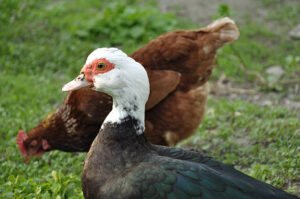
Muscovy ducks, though slower-growing than Pekins, are also vulnerable, especially during the brooding and breeding seasons. Their unique physiology, including lower body temperature and different nutrient metabolism, may alter zinc requirements. Female Muscovies, which lay fewer but larger eggs, have increased mineral demands for eggshell formation. When fed poorly formulated diets, they can exhibit reproductive issues tied to zinc deficiency.
Rouen and Aylesbury ducks, heritage breeds often raised in backyard flocks, may face risks if owners rely on generic poultry feeds not tailored to waterfowl. These breeds have higher body mass and slower maturation, increasing the duration of potential exposure to suboptimal diets. Their ornamental value also makes skin and feather quality a major concern, which zinc deficiency can compromise.
Call ducks, known for their small size and vocal nature, are popular in ornamental and pet settings. Their tiny digestive systems may have reduced capacity for nutrient absorption, making them sensitive to dietary imbalances. Even short-term deficiencies can lead to visible dermatological issues.
Khaki Campbell and Indian Runner ducks, prized for high egg production, are at elevated risk due to continual nutrient demands on their bodies. Laying up to 200–300 eggs per year, these ducks deplete zinc reserves rapidly if not replenished through diet. Soft-shelled eggs, reduced laying frequency, and poor hatchability are often early warning signs in these breeds.
In summary, fast-growing, high-producing, or large-bodied duck breeds are generally at higher risk. However, any duck—regardless of breed—can suffer from zinc deficiency if nutrition is improperly managed.
Life Stage Affected
Zinc deficiency can affect ducks at any life stage, but certain phases are more vulnerable due to increased physiological demands.
1. Ducklings (0–4 weeks)
This is the most critical period for zinc sufficiency. Rapid tissue growth, organ development, and feather formation require high zinc levels. Deficiency during this time leads to irreversible growth retardation, skeletal malformations, poor feathering, and weakened immunity. Ducklings with zinc deficiency are more prone to infections and have lower survival rates.
2. Grower Stage (5–8 weeks)
Pekin ducks, raised for meat, are in their peak growth phase. Zinc deficiency manifests as poor weight gain, leg weakness, and skin lesions. This stage is crucial for commercial profitability, making prevention essential.
3. Breeding and Laying Ducks (6 months and older)
Reproductive ducks have elevated zinc needs. Deficiency leads to reduced fertility, poor eggshell quality, embryonic death, and lower hatchability. Chronic deficiency in layers can result in reproductive exhaustion and shortened productive lifespan.
4. Molting Period
During molting, ducks shed and regrow feathers. This process is highly dependent on protein and mineral nutrition, including zinc. Deficient birds may experience delayed or patchy molts, leading to poor insulation and increased stress.
5. Stressed or Sick Ducks
Ducks under stress—due to transport, overcrowding, temperature extremes, or illness—have increased metabolic demands and zinc utilization. Their requirement may exceed intake, leading to functional deficiency even with adequate baseline nutrition.
Diagnosis of Zinc Deficiency
Diagnosing zinc deficiency requires a combination of clinical evaluation, dietary review, and laboratory testing.
1. Clinical Signs and History
A thorough physical exam is the first step. Look for skin lesions, poor feathering, stunted growth, lameness, and reproductive issues. A history of homemade feed, phytate-rich diets, or high mineral antagonists supports suspicion.
2. Dietary Analysis
Evaluate the duck’s complete ration. Feed samples can be sent to laboratories to test for zinc content and phytate levels. Comparing actual intake with NRC recommendations helps identify shortfalls.
3. Blood Plasma or Serum Zinc Levels
Blood tests measuring plasma zinc concentration are useful but must be interpreted carefully. Levels below 60–70 µg/dL may indicate deficiency, though transient fluctuations can occur due to stress or recent feeding.
4. Liver Zinc Concentration
Liver biopsy (post-mortem) provides the most accurate assessment of zinc status. Normal liver zinc is 20–50 mg/kg dry weight; levels below 15 mg/kg suggest deficiency.
5. Bone Ash and Histopathology
In growing ducks, bone development can be assessed radiographically or histologically. Thinning of growth plates or abnormal mineralization may point to zinc insufficiency.
6. Response to Supplementation
A therapeutic trial—adding zinc to the diet and observing improvement in symptoms—can support diagnosis, especially when laboratory confirmation is not feasible.
Differential Diagnosis
Zinc deficiency must be differentiated from:
- Biotin deficiency (similar skin and foot lesions)
- Manganese deficiency (twisted legs, poor reproduction)
- Vitamin A deficiency (ocular and skin issues)
- Infectious diseases like avian pox or duck viral hepatitis
Treatment and Management
Once zinc deficiency is diagnosed, prompt treatment is essential to reverse symptoms and prevent long-term damage.
1. Zinc Supplementation
The primary treatment is dietary supplementation with bioavailable zinc sources:
- Zinc sulfate (ZnSO₄): Common and cost-effective.
- Zinc oxide: Less soluble, better suited for medicinal use.
- Zinc methionine or chelated zinc: Highly bioavailable, ideal for correcting deficiency quickly.
The recommended therapeutic dose is 60–100 mg/kg of diet for 4–6 weeks, followed by reduction to maintenance levels (40–60 mg/kg). Water supplementation (10–20 mg/L) may be used short-term but is less reliable due to palatability and stability issues.
2. Correct Underlying Causes
- Reformulate diet to reduce phytate content (e.g., use phytase enzyme supplements).
- Balance calcium and phosphorus levels to avoid antagonism.
- Improve feed quality and storage conditions.
- Test and treat drinking water for high iron or mineral content.
3. Supportive Care
- Treat secondary infections with appropriate antibiotics.
- Provide soft bedding to reduce foot injuries.
- Isolate severely affected birds to reduce stress.
- Ensure adequate hydration and warmth, especially in ducklings.
4. Topical Treatment for Skin Lesions
Apply antiseptic ointments (e.g., zinc oxide cream, povidone-iodine) to cracked or inflamed skin. This prevents bacterial invasion and promotes healing.
Prognosis and Complications
The prognosis for zinc-deficient ducks depends on the severity and duration of deficiency.
Favorable Prognosis
- Mild to moderate cases treated early show excellent recovery within 2–4 weeks.
- Skin lesions heal, feathering improves, and growth resumes.
- Reproductive ducks regain fertility within 3–6 weeks.
Guarded Prognosis
- Severe skeletal deformities or permanent joint damage may not reverse.
- Chronic immune suppression can lead to secondary diseases.
- Embryonic malformations from maternal deficiency are irreversible.
Complications
- Secondary infections: Bacterial dermatitis, omphalitis, septicemia.
- Reduced productivity: Lower weight gain, poor egg production, high culling rates.
- Increased mortality: Especially in ducklings and stressed birds.
- Economic loss: In commercial operations, reduced feed efficiency and high mortality impact profitability.
Prevention of Zinc Deficiency
Prevention is far more effective and economical than treatment.
1. Use Balanced Commercial Feed
Feed ducks with diets specifically formulated for waterfowl, not chickens. Commercial duck feeds (starter, grower, breeder) are typically fortified with appropriate zinc levels.
2. Supplement with Chelated Minerals
Consider adding organic zinc (e.g., zinc proteinate) to improve bioavailability, especially in high-phytate diets.
3. Use Phytase Enzyme
Add microbial phytase to feed to break down phytates and release bound zinc and other minerals.
4. Avoid Excessive Calcium or Iron
Do not over-supplement limestone or iron. Maintain mineral balance in feed and water.
5. Regular Health Checks
Monitor flock for early signs of deficiency. Keep records of growth rates, egg production, and feather quality.
6. Clean, Balanced Water Supply
Ensure drinking water is free from high iron, calcium, or contaminants. Use water filters if necessary.
7. Limit Feeding of High-Phytate Grains
Reduce reliance on raw soy, wheat bran, or untreated grains. Fermenting or sprouting grains can reduce phytate levels.
8. Rotational Grazing and Forage Diversity
Allow ducks access to varied forage, including aquatic plants, insects, and worms, which naturally contain bioavailable micronutrients.
9. Quarantine New Birds
New additions may introduce nutritional imbalances or diseases. Quarantine and assess their health and diet history.
10. Educate Owners and Producers
Many backyard keepers are unaware of the specific needs of ducks. Education on waterfowl nutrition is vital.
Diet and Nutrition
Nutrition is the cornerstone of preventing zinc deficiency.
Recommended Zinc Levels
- Ducklings (0–3 weeks): 50–60 mg/kg diet
- Growing ducks (4–8 weeks): 40–50 mg/kg
- Laying ducks: 40–60 mg/kg
- Breeding ducks: 50–70 mg/kg
Good Dietary Sources of Zinc
- Animal proteins: Fish meal, meat and bone meal (highly bioavailable)
- Plant sources: Soybean meal, wheat, corn, cereal by-products (moderate, low bioavailability)
- Supplements: Zinc sulfate, zinc oxide, chelated zinc
Feed Formulation Tips
- Avoid excessive fiber and phytates.
- Maintain calcium:phosphorus ratio at 2:1 to 2.5:1.
- Use balanced vitamin-mineral premixes designed for ducks.
- Consider amino acid profiles; methionine enhances zinc utilization.
Feed Additives
- Phytase enzyme: 500–1000 FTU/kg feed
- Probiotics: Improve gut health and mineral absorption
- Organic acids: Enhance gut environment
Feeding Practices
- Provide fresh, mold-free feed daily.
- Avoid sudden diet changes.
- Ensure constant access to clean water.
Zoonotic Risk
Zinc deficiency in ducks does not pose a direct zoonotic risk to humans. It is not a transmissible disease and cannot be contracted from handling or consuming ducks or their eggs. However, indirect risks exist:
- Poor Egg or Meat Quality: Deficient flocks may produce lower-quality eggs or meat, though no direct health hazard to consumers.
- Antibiotic Use: Secondary infections in zinc-deficient ducks may lead to increased antibiotic use, contributing to antimicrobial resistance concerns.
- Misdiagnosis Risk: Skin lesions may be mistaken for infectious diseases (e.g., avian pox), leading to unnecessary human exposure or anxiety.
Consumers should ensure duck products come from healthy, well-managed flocks. Proper cooking destroys any pathogens, and zinc-deficient meat is safe to eat.
Conclusion
Zinc deficiency in ducks is a preventable nutritional disorder with profound impacts on health, productivity, and welfare. It arises from inadequate intake, poor absorption, or increased demand—especially in fast-growing or high-producing breeds. Clinical signs include skin lesions, poor growth, skeletal issues, and reproductive failure. Diagnosis involves clinical assessment, dietary review, and lab testing. Treatment includes zinc supplementation and dietary correction, with an excellent prognosis if caught early. Prevention through balanced nutrition, mineral supplementation, and good management is key. While there is no zoonotic threat, maintaining zinc sufficiency supports overall flock health and food safety.
For duck keepers, commercial producers, and veterinarians, understanding zinc’s role and the risks of deficiency is essential for sustainable and humane waterfowl production. With proper care and attention to nutrition, ducks can thrive and fulfill their potential as productive, healthy animals.
#ZincDeficiencyInDucks, #DuckHealth, #DuckNutrition, #BackyardDucks, #DuckCare, #PoultryHealth, #DuckFarming, #WaterfowlNutrition, #DuckFeed, #DuckKeepers, #DuckVet, #DuckHealthTips, #ZincSupplement, #HealthyDucks, #DuckGrowingTips, #DuckBreeding, #DuckEggs, #DucklingCare, #FarmLife, #SustainableFarming, #PoultryProduction, #DuckDiet, #TraceMinerals, #DuckImmunity, #PekinDucks, #MuscovyDucks, #IndianRunnerDucks, #KhakiCampbell, #DuckSkinProblems, #PreventDisease, #DuckHealthGuide, #ZincForDucks, #DuckKeepersCommunity, #PoultryVet, #DuckManagement, #OrganicDuckFeed, #DuckNutritionTips, #FlockHealth, #RearingDucks, #DuckHealthCheck
Add comment