
Zinc phosphide (Zn₃P₂) is a widely used rodenticide marketed under trade names such as Zinc Phosphide Bait, ZP, or Zinctar. It is valued for its rapid lethal action against rats, mice, and certain burrowing mammals. The active ingredient reacts with gastric acid to liberate phosphine gas (PH₃), a potent cellular toxin that interferes with oxidative phosphorylation, leading to multi‑organ failure.
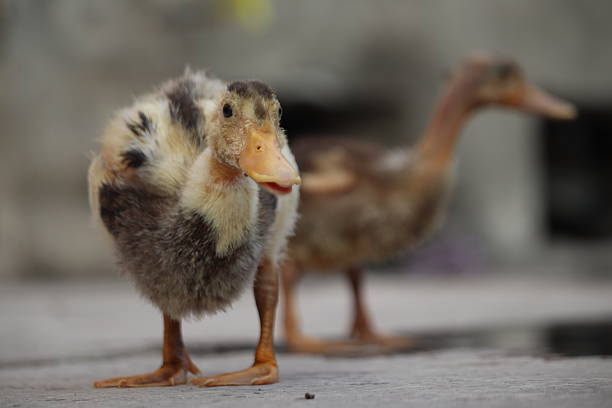
While effective against target pests, zinc phosphide poses a serious, often under‑appreciated risk to non‑target wildlife—particularly waterfowl. Domestic and free‑ranging ducks are especially vulnerable because they frequently forage on the ground, consume invertebrates, and may ingest bait directly or indirectly (e.g., through contaminated water, vegetation, or prey).
This guide consolidates current scientific knowledge, field observations, and veterinary best practices to help veterinarians, wildlife rehabilitators, duck farmers, and conservationists recognize, diagnose, treat, and prevent zinc phosphide poisoning in ducks.
2. Chemical Properties & Mechanism of Toxicity
| Property | Details |
|---|---|
| Molecular Formula | Zn₃P₂ |
| Physical State | Grey‑black powder or granular formulations (often mixed with wheat, corn, or other attractants) |
| Solubility | Practically insoluble in water; reacts with strong acids (e.g., gastric HCl) |
| Toxic Metabolite | Phosphine gas (PH₃) generated in the acidic stomach |
| Mode of Action | Phosphine inhibits cytochrome c oxidase (Complex IV) in the mitochondrial electron transport chain → abrupt decline in ATP production → cellular hypoxia and necrosis. It also generates free radicals, causing oxidative damage to membranes, lipids, and DNA. |
| Onset of Clinical Signs | Typically 1–6 h after ingestion, but can be delayed up to 24 h depending on dose and gastric acidity. |
Because phosphine is a gas, it is absorbed rapidly across the gastrointestinal (GI) tract and distributed systemically, affecting the heart, liver, kidneys, lungs, and central nervous system (CNS). The rapidity of toxicity means that early recognition and aggressive supportive care are essential for any chance of survival.
3. Causes & Exposure Pathways
- Direct Ingestion of Bait
- Ducks may mistake bait granules for seeds, insects, or plant material while foraging on lawns, paddocks, or wetlands where bait is scattered.
- Secondary Ingestion
- Consumption of contaminated invertebrates (e.g., earthworms, slugs, insects) that have fed on or been in contact with bait.
- Contaminated Water
- Run‑off from baited fields can dissolve a minute amount of phosphide, which reacts with acidic components in water to release phosphine.
- Environmental Persistence
- Although zinc phosphide itself is relatively stable, phosphine released can bind to soil particles and re‑release under acidic conditions (e.g., after rain) creating a delayed exposure risk.
- Improper Bait Placement
- Bait placed on the edges of water bodies, in duck feeding zones, or near duck brood-rearing sites dramatically increases accidental ingestion.
- Human Error
- Misidentification of bait as feed, accidental mixing of bait with feed or grit, and failure to follow label instructions (e.g., “Do not use near waterfowl”) are frequent contributors.
Risk Factor Summary
- Habitat overlap (agricultural fields adjacent to ponds)
- Seasonal foraging peaks (autumn migration, spring brood rearing)
- Low gastric pH (young ducklings have relatively higher acidity, accelerating phosphine release)
4. Duck Breeds at Risk
4.1 Domestic Duck Breeds
| Breed | Typical Use | Reason for Increased Risk |
|---|---|---|
| Pekin | Meat production, ornamental | Strong ground‑foraging habits; often reared in confined paddocks where bait may be inadvertently spread. |
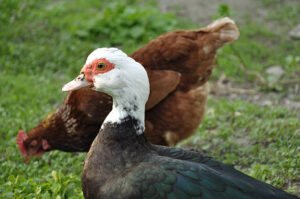
| Muscovy | Meat, free‑range systems | Larger body size can ingest more bait; also known to peck at insects and small vertebrates (secondary ingestion). |
| Khaki Campbell | Egg production | Highly active foragers; frequent use of outdoor runs where bait may be applied for rodent control. |
| Rouen | Meat/ornamental | Similar to Pekin but often kept in semi‑free range with pond access, exposing them to runoff. |
| Mallard (domestic) / Wild Mallard | Hybrid/stocking of wetlands | Natural waterfowl with extensive foraging on shorelines; frequent contact with agricultural edges. |
These breeds share common behavioral traits—ground pecking, inquisitive exploration, and a high tolerance for ingesting small particles—that predispose them to accidental bait ingestion. Moreover, commercial duck farms sometimes use rodent bait in feed storage areas or near water troughs, creating a micro‑environment where the probability of exposure is magnified.
4.2 Wild Waterfowl Species
- Northern Pintail (Anas acuta)
- Blue‑winged Teal (Anas discors)
- American Wigeon (Mareca americana)
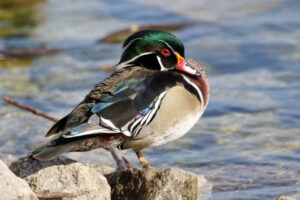
- Wood Duck (Aix sponsa)
- Gadwall (Mareca strepera)
Wild species are not immune; they may forage on cultivated fields during migration stopovers, ingesting bait at the edge of wetlands. The same toxicokinetic principles apply, though the lack of veterinary surveillance on wild populations can mask the true incidence.
5. Life‑Stage Susceptibility
| Life Stage | Physiological Factors | Toxicological Implications |
|---|---|---|
| Embryo (incubating eggs) | Closed system; impermeable shells limit exposure. | Minimal direct risk, unless the mother is heavily poisoned and toxin translocates through the yolk (rare). |
| Ducklings (0–4 weeks) | Higher gastric acidity, rapid metabolism, underdeveloped detoxification pathways (low hepatic glutathione). | Highest susceptibility: Small ingested amounts generate proportionally higher phosphine concentrations, leading to swift mortality. |
| Juveniles (4 weeks–6 months) | Still foraging on the ground; developing immune system. | Moderate risk; still capable of severe systemic effects. |
| Adults (>6 months) | Larger body mass dilutes dose; but still vulnerable if large quantities ingested. | Lower per‑kg risk, but large bait pellets can be fatal. |
Key Take‑away: The youngest ducks (≤ 2 weeks) are the most vulnerable; a single bait granule can be lethal. Therefore, strict rodent‑control segregation during brood periods is essential.
6. Clinical Signs & Symptoms
The onset of signs may be abrupt or insidious, dictated by the ingested dose and the duck’s physiological status.
6.1 Early (0.5–4 h)
- Respiratory distress: rapid, shallow breathing; open‑mouth panting.
- Gastro‑intestinal irritation: excessive salivation, drooling, occasional regurgitation.
- Behavioral changes: agitation, inability to maintain normal posture, aimless wandering.
6.2 Intermediate (4–12 h)
- Neurological signs: ataxia, tremors, seizures, loss of coordination, head tilting.
- Cardiovascular collapse: bradycardia or tachycardia, weak peripheral pulses, cyanosis of the comb and feet.
- Digestive tract: profuse watery diarrhea, sometimes with blood; fecal discoloration (dark, tarry).
6 – 12 h
- Hepatic and renal dysfunction: jaundice (yellowing of the eyes and skin), increased urination, polyuria, or oliguria.
- Liver necrosis: enlarged, firm liver palpable on necropsy; may cause abdominal distension.
Late (>12 h)
- Multi‑organ failure: shock, coma, respiratory arrest.
- Mortality: sudden death is common; survivors may show chronic liver or kidney damage.
Note: Because phosphine is a volatile gas, a characteristic “garlic‑like” odor may be detected on the breath or in the enclosure, but most people cannot reliably recognize it.
7. Differential Diagnosis
When evaluating a sick duck, especially in a farm setting, consider:
| Condition | Overlapping Signs | Distinguishing Features |
|---|---|---|
| Botulism (Clostridium botulinum) | Weakness, respiratory distress, paralysis | Progressive flaccid paralysis, no GI irritation; presence of “wet” or “dry” form; often linked to decaying fish. |
| Avian Influenza | Lethargy, respiratory signs, diarrhea | High fever, rapid spread among flocks; positive PCR. |
| Lead toxicity | Neurological signs, anemia | Grey‑white lines on beak, radiopaque pellets on X‑ray. |
| Mycotoxin poisoning (e.g., aflatoxin) | Liver damage, jaundice | History of contaminated feed, chronic presentation. |
| Salmonellosis | Diarrhea, septicemia | Positive culture from feces; often accompanied by fever. |
| Other rodenticides (e.g., anticoagulants) | Bleeding diathesis, weakness | Prolonged PT/PTT; no immediate respiratory collapse. |
Confirming zinc phosphide poisoning requires a combination of history, clinical observation, laboratory testing, and sometimes necropsy.
8. Diagnosis
8.1 History & Exposure Assessment
- Direct observation of bait in the environment.
- Interview with farm staff about recent rodent control measures (product used, location, quantity).
- Environmental sampling (soil, water) for residual zinc phosphide.
8.2 Physical Examination
- Rapid, shallow respiration; assess for labored breathing.
- Auscultation for abnormal lung sounds (crackles, wheezes).
- Abdominal palpation for hepatomegaly.
8.3 Laboratory Tests
| Test | Expected Findings in ZnP Poisoning |
|---|---|
| Blood gas analysis | Metabolic acidosis (low pH, low HCO₃⁻), elevated lactate. |
| Serum biochemistry | ↑AST, ↑ALT, ↑CK (muscle damage), ↑LDH, ↑BUN/creatinine (renal injury). |
| Complete blood count (CBC) | Hemoconcentration, leukocytosis (stress response). |
| Phosphine detection | Colorimetric test (e.g., silver nitrate paper) on gastric contents; gas chromatography–mass spectrometry (GC‑MS) of headspace gas from stomach or feces. |
| Toxicology | Elevated zinc levels in plasma/urine (though not definitive, as zinc is a normal trace element). |
| Radiography | Generally unremarkable; may help rule out other causes (e.g., lead pellets). |
Important: Phosphine is highly volatile; sample handling must be swift, sealed, and performed in a fume‑hood to avoid exposure to personnel.
8.4 Necropsy (if bird is dead)
- Stomach: dark, tarry contents; hemorrhagic mucosa.
- Liver: enlarged, pale, necrotic foci.
- Kidneys: congestion, pale cortex.
- Lungs: edema, hemorrhage.
Histopathology reveals coagulative necrosis in hepatic lobules, renal tubular degeneration, and pulmonary congestion. Presence of phosphine can be confirmed by headspace analysis of stomach contents.
9. Treatment
Time is of the essence. The therapeutic goal is to neutralize phosphine, support organ function, and prevent secondary complications.
9.1 Immediate First‑Aid
- Remove the bird from the contaminated environment.
- Isolate in a well‑ventilated, low‑stress area (avoid recirculated air that might contain phosphine).
- Administer oxygen via mask or oxygen cage (minimum 2 L/min for a 2 kg duck).
9.2 Decontamination
- Gastric lavage (if < 2 h post‑ingestion): Use warm (37 °C) saline, 10 mL/kg, repeated until effluent is clear.
- Activated charcoal: 1–2 g/kg orally (or via nasogastric tube) to adsorb any residual phosphide; however, efficacy is limited because phosphine is already generated. It is still recommended as a precaution.
9.3 Antidotal & Supportive Therapies
| Intervention | Dose / Protocol | Rationale |
|---|---|---|
| N‑acetylcysteine (NAC) | 150 mg/kg IV bolus, then 50 mg/kg q6h for 48 h | Replenishes glutathione, counters oxidative stress. |
| Methylene blue (for methemoglobinemia, rare) | 1 mg/kg IV slowly | Reduces oxidized hemoglobin. |
| Fluid therapy | Lactated Ringer’s or 0.9% NaCl, 30 mL/kg bolus then maintenance 10 mL/kg/h | Corrects hypovolemia, supports renal perfusion. |
| Electrolyte correction | Adjust K⁺, Ca²⁺ as needed based on labs | Prevents cardiac arrhythmias. |
| Antibiotics (broad‑spectrum) | Enrofloxacin 10 mg/kg IM q24h or Ciprofloxacin 15 mg/kg PO q12h (to prevent secondary bacterial infection) | Phosphine can damage gut barrier → bacterial translocation. |
| Anticonvulsants (if seizures) | Diazepam 0.5 mg/kg IM/IV as needed | Controls CNS hyperexcitability. |
| Cardioprotective agents | Dobutamine 5 µg/kg/min IV infusion if hypotensive | Improves myocardial contractility. |
| Hepatoprotective | Silymarin 30 mg/kg PO q12h (optional) | Supports liver regeneration. |
| Renal support | Furosemide 1 mg/kg IV q8h if oliguria (cautiously) | Promotes diuresis, prevents fluid overload. |
| Ventilatory support (severe respiratory distress) | Mechanical ventilation with low tidal volume (6–8 mL/kg) and 100% O₂ | Maintains oxygenation while lungs recover. |
9.4 Monitoring
| Parameter | Frequency | Target |
|---|---|---|
| Respiratory rate & effort | Every 15 min (first 2 h) then hourly | < 30 breaths/min, minimal distress |
| Blood gases & lactate | 0, 2, 6, 12 h | pH > 7.30, lactate < 2 mmol/L |
| Heart rate & rhythm | Continuous ECG if available | HR 80–120 bpm, sinus rhythm |
| Cloacal temperature | Every 30 min | 39–41 °C (species‑specific) |
| CBC & biochemistry | 0, 6, 12, 24 h then daily | Stabilizing trends |
| Urine output | Hourly (via catheter) | > 1 mL/kg/h |
9.5 Prognosis
| Category | Approximate Survival Rate | Comments |
|---|---|---|
| Mild (≤ 0.5 g ZnP/kg body weight) | 70–85 % | Prompt treatment yields good outcomes. |
| Moderate (0.5–1.0 g/kg) | 30–60 % | Survival depends on rapid decontamination and organ support. |
| Severe (> 1.0 g/kg) | < 20 % | Multi‑organ failure is common; most birds succumb despite aggressive therapy. |
Long‑term survivors may have chronic hepatic or renal insufficiency, manifesting as reduced growth rates, stunted egg production, or increased susceptibility to secondary infections. Regular follow‑up (biochemistry, body condition scoring) is advised for at least 3 months post‑recovery.
10. Complications
- Acute Respiratory Distress Syndrome (ARDS) – due to pulmonary edema and phosphine‑induced alveolar damage.
- Hepatic necrosis – may progress to chronic cirrhosis.
- Renal tubular necrosis – leading to irreversible azotemia.
- Cardiomyopathy – phosphine’s inhibition of oxidative phosphorylation can cause myocardial depression.
- Secondary bacterial sepsis – from gut barrier breach; especially Clostridium spp. and Escherichia coli.
- Neurological deficits – persistent tremors or ataxia secondary to basal ganglia injury.
- Reproductive failure – in breeding females, phosphine can disrupt ovarian function, causing reduced clutch size or embryonic mortality.
11. Prevention
Prevention is vastly more effective (and economical) than treatment. A layered “One Health” approach is recommended.
11.1 Integrated Pest Management (IPM)
| Strategy | Implementation Details |
|---|---|
| Physical exclusion | Seal cracks, install rodent‑proof fences around duck housing and feeding areas. |
| Habitat modification | Remove standing water, store feed in rodent‑impermeable containers, keep vegetation trimmed. |
| Biological control | Encourage natural predators (owls, hawks, predatory mammals) where appropriate. |
| Chemical control (targeted) | Use non‑phosphide rodenticides (e.g., bromadiolone, difenacoum) with strict placement away from water bodies; follow label directions for minimum application rates. |
| Bait stations | Place tamper‑proof stations at least 100 m away from any waterfowl activity; use baits that are unpalatable to birds (e.g., bittering agents). |
| Monitoring | Conduct regular rodent surveys and adjust control measures accordingly. |
11.2 Safe Use of Zinc Phosphide (if unavoidable)
- Label compliance: Strictly follow manufacturer’s “Do not use near waterfowl” statements.
- Timing: Apply only when no ducks are present (e.g., after migration, during egg‑laying hiatus).
- Spatial separation: Minimum 200 m buffer from ponds, ditches, or duck foraging zones.
- Physical barriers: Cover bait with mesh or use bait stations that prevent non‑target access.
- Record‑keeping: Log date, location, amount applied, and weather conditions to aid traceability.
11.3 Education & Training
- Staff training on recognizing rodenticide hazards, proper storage, and emergency response.
- Community outreach for neighboring farms about the risks of using zinc phosphide near wetlands.
11.4 Emergency Preparedness
- First‑aid kits stocked with oxygen masks, activated charcoal, and injectable NAC.
- Contact list of local wildlife veterinarians, poison control centers, and regulatory agencies (e.g., EPA, USDA).
12. Diet & Nutrition for Recovery
A nutritionally balanced diet supports organ regeneration and immune competence.
| Nutrient | Recommended Source | Reason |
|---|---|---|
| High‑quality protein | Cooked silkworm larvae, boiled eggs, soy‑based pellets (≥ 18 % protein) | Supplies amino acids for hepatic repair and muscle maintenance. |
| Omega‑3 fatty acids | Flaxseed oil, fish oil (1 % of diet) | Anti‑inflammatory; aids membrane repair. |
| Antioxidants | Vitamin E (100 IU/kg feed), Selenium (0.3 ppm) | Counteracts oxidative stress from phosphine. |
| B‑complex vitamins | Commercial waterfowl premix (including B₁, B₆, B₁₂) | Supports metabolic pathways and red blood cell formation. |
| Electrolytes | Oral rehydration solution (ORS) with NaCl, KCl, MgSO₄ | Prevents dehydration and corrects acid‑base imbalance. |
| Probiotics | Lactobacillus spp. supplemented water (10⁸ CFU/mL) | Restores gut flora after possible dysbiosis. |
| Water | Clean, fresh water ad libitum; optionally add a few drops of apple cider vinegar (0.5 %) to encourage intake. | Hydration critical for renal clearance. |
Feed should be soft and easily digestible during acute recovery (e.g., finely ground mash, warm broth). Gradually re‑introduce regular pellets once the duck demonstrates stable appetite and normal stool consistency.
13. Zoonotic Risk
Zinc phosphide itself is not infectious; however, the phosphine gas is toxic to humans on inhalation.
- Acute exposure can cause headache, dizziness, nausea, cough, and, at high concentrations, pulmonary edema or cardiovascular collapse.
- Chronic low‑level exposure may lead to liver or kidney irritation.
Safety Measures for Human Handlers
- Personal Protective Equipment (PPE): Nitrile gloves, waterproof boots, long‑sleeved coveralls, and a half‑mask respirator (NIOSH‑approved, organic vapor cartridges).
- Ventilation: Perform any decontamination (gastric lavage, necropsy) in a certified fume hood or outdoors with wind direction away from personnel.
- Decontamination: Wash hands and exposed skin thoroughly with soap and water after any contact.
- Medical Surveillance: Anyone handling zinc phosphide should be educated on early signs of phosphine poisoning and have access to emergency medical care.
Wildlife‑to‑Human Transmission: No evidence exists for zoonotic transmission of the toxin itself. However, secondary bacterial infections (e.g., Salmonella from a compromised bird) can be a risk if proper hygiene is not observed.
14. Summary Checklist for Practitioners
| Step | Action |
|---|---|
| 1. History | Confirm recent use of zinc phosphide within 48 h; map bait locations relative to duck habitats. |
| 2. Clinical Exam | Look for rapid breathing, GI irritation, neurological signs, cyanosis. |
| 3. Immediate Care | Isolate, provide supplemental O₂, consider gastric lavage (≤ 2 h). |
| 4. Diagnostics | Collect blood gases, biochemistry, CBC; obtain gastric content for phosphine detection (silver nitrate test). |
| 5. Treatment | Administer NAC, fluids, electrolytes, antibiotics, anticonvulsants as indicated; monitor vitals continuously. |
| 6. Support | Maintain temperature, provide soft diet, consider ventilatory support for severe cases. |
| 7. Monitoring | Re‑check labs at 6‑h intervals, adjust therapy based on trends. |
| 8. Record‑Keeping | Document dose, time of exposure, treatments given, and outcomes. |
| 9. Preventive Review | Evaluate rodent control program; implement IPM measures; educate staff. |
| 10. Follow‑Up | Re‑evaluate liver/kidney function at 2 weeks and 1 month; monitor growth/egg production. |
15. Frequently Asked Questions (FAQ)
Q1. How fast does phosphine act after ingestion?
A: Clinical signs usually appear within 1–6 hours; severe respiratory collapse can occur as early as 30 minutes after a high dose.
Q2. Can activated charcoal alone save a duck?
A: It may adsorb any remaining unreacted zinc phosphide, but phosphine is already generated in the stomach, so charcoal is only an adjunct, not a cure.
Q3. Is there an antidote for phosphine?
A: No specific antidote exists. Treatment focuses on oxidative stress mitigation (N‑acetylcysteine) and organ support.
Q4. Will a duck that survived a moderate exposure be safe to breed?
A: Most survivors can breed, but they should undergo a health check (liver/kidney labs) before being introduced to a breeding flock.
Q5. Can we use zinc phosphide safely if we keep ducks indoors?
A: Indoor use eliminates environmental exposure but still poses a risk to handlers and any accidental spillage. Alternative rodenticides are preferred.
#ZincPhosphide #DuckPoisoning #AvianToxicology #WaterfowlHealth #RodenticideSafety #PhosphinePoisoning #DuckVeterinaryCare #WildlifeRehabilitation #PoultryHealth #OneHealth #IPM #DuckNutrition #ZoonoticRisk #BirdRescue #FarmSafety #ConservationMedicine #DuckBreeds #EmergencyVeterinary #PoultryManagement #EcoFriendlyFarming




Add comment