
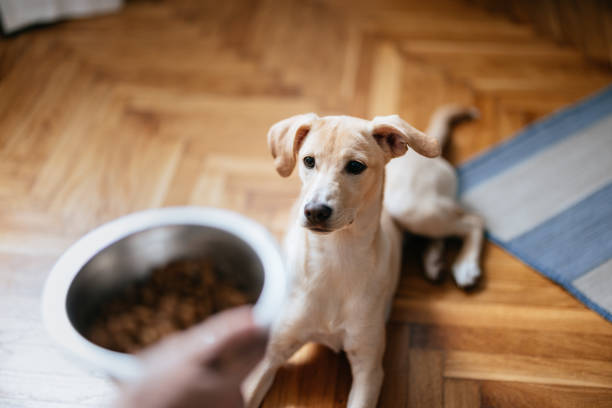
As a dog owner, you are likely constantly vigilant about what goes into your furry friend’s bowl. We often share our lives—and sometimes our snacks—with our canine companions. However, the human diet and the canine diet are not identical. While many human foods are safe for dogs in moderation, others can range from mildly upsetting to fatally toxic.
One of the most common questions that arises in the realm of pet nutrition is regarding the humble potato. Potatoes are a staple food for billions of humans worldwide, appearing in fries, mashed dishes, baked goods, and stews. But can the same be said for our dogs?
The short answer is: No, dogs should not eat raw potatoes.
While cooked, plain potatoes can be a safe source of carbohydrates for some dogs, raw potatoes pose significant health risks. This guide will explore the science behind potato toxicity, the specific dangers of solanine, the symptoms of poisoning, and what to do if your dog has ingested raw potato.
Section 1: The Science of the Potato – Why Are They Risky?
To understand why raw potatoes are dangerous for dogs, we must look at the biological composition of the potato plant (Solanum tuberosum) and its defensive mechanisms.
The Nightshade Family
Potatoes belong to the Solanaceae family, commonly known as the nightshade family. This family includes tomatoes, eggplants, peppers, and tobacco. Many plants in this family produce chemical compounds called alkaloids as a natural defense against insects, fungi, and predators.
In potatoes, the primary alkaloid of concern is solanine.
What is Solanine?
Solanine is a glycoalkaloid poison found in species of the nightshade family. In the potato plant, solanine is concentrated in the leaves, stems, sprouts, and the skin of the tuber. Its purpose is to protect the plant from being eaten.
When a potato is exposed to sunlight or begins to sprout (germinate), the plant increases its production of chlorophyll (which turns the potato green) and solanine. This is nature’s way of signaling that the potato is not dormant and is actively growing, making it more toxic to deter consumption.
How Solanine Affects Dogs
Dogs are significantly smaller than humans and have different metabolic pathways. While humans can tolerate small amounts of solanine (though we avoid green potatoes too), dogs are much more sensitive.
Solanine affects the nervous system and the gastrointestinal tract. It works by inhibiting an enzyme called cholinesterase, which is responsible for breaking down acetylcholine, a neurotransmitter. When cholinesterase is inhibited, acetylcholine builds up, leading to overstimulation of the nervous system and muscles.
The Role of Raw Starch
Beyond solanine, raw potatoes contain resistant starch. Unlike cooked starches, which are easily digestible, resistant starch passes through the small intestine largely unchanged. In the large intestine, bacteria ferment this starch, leading to gas production, bloating, and discomfort. While not toxic per se, raw starch can cause significant gastrointestinal distress in dogs.
Section 2: The Green Skin Warning
You have likely seen a potato in your pantry that has turned a pale, sickly green color. This is a visual warning sign.
Chlorophyll and Solanine
When a potato is exposed to light (sunlight or artificial store lighting), it begins to photosynthesize, producing chlorophyll. Chlorophyll itself is harmless, but the process that creates it also stimulates the production of solanine.
Therefore, a green potato is not just “unripe”—it is chemically more toxic. The green coloration is the most reliable visual indicator of high solanine levels.
The Skin vs. The Flesh
While the highest concentration of solanine is in the skin, it is not limited to the surface. Solanine can diffuse into the flesh of the tuber, particularly if the potato is old or has been exposed to light for a long time. This means that peeling a green potato does not guarantee the removal of all toxins, though it significantly reduces the risk.
Rule of Thumb: If a raw potato is green, discard it entirely. Do not feed it to your dog, even if cooked.
Section 3: Symptoms of Solanine Poisoning in Dogs
If your dog consumes raw potato or a significant amount of green potato skin, symptoms of solanine poisoning can appear within a few hours, though they may take up to 24 hours to manifest depending on the amount ingested and the individual dog’s size and health.
Gastrointestinal Symptoms
The first signs are often gastrointestinal. Because the body attempts to expel the toxin, you may notice:
- Vomiting: Often persistent and may contain bile or blood in severe cases.
- Diarrhea: Can be watery and foul-smelling.
- Abdominal Pain: The dog may whine, guard their stomach, or adopt a “praying position” (front legs down, rear end up) to relieve pressure.
- Loss of Appetite (Anorexia): Refusal to eat or drink.
Neurological Symptoms
As solanine affects the nervous system, more severe symptoms can develop:
- Lethargy and Weakness: The dog may seem unusually tired, unable to stand, or unwilling to move.
- Tremors and Seizures: Involuntary muscle contractions or full-body seizures are signs of severe toxicity.
- Ataxia: A lack of coordination; the dog may stumble, walk as if drunk, or collapse.
- Dilated Pupils: The eyes may look larger than normal and be unresponsive to light.
- Behavioral Changes: Agitation, restlessness, or confusion.
Cardiovascular and Respiratory Symptoms
In extreme cases, solanine poisoning can affect vital functions:
- Slow Heart Rate (Bradycardia): The heart rate may drop dangerously low.
- Difficulty Breathing (Dyspnea): Labored breathing or rapid shallow breaths.
- Hypothermia: A drop in body temperature.
Note: The lethal dose of solanine for dogs is not definitively established in veterinary literature, largely because it varies by breed, size, and individual sensitivity. However, any ingestion of raw potato, especially green or sprouted varieties, warrants concern.
Section 4: The Cooking Factor – Why Cooking Matters
This guide focuses on raw potatoes, but it is essential to understand the transformation that occurs during cooking.
Breaking Down Solanine
Heat does break down solanine, but not completely. Solanine is relatively heat-stable; boiling or baking a potato will reduce solanine levels but may not eliminate them entirely if the potato is heavily green or sprouted. This is why the best practice is to discard green potatoes rather than trying to cook them to safety.
Starch Digestion
Cooking potatoes (boiling, baking, or steaming) gelatinizes the starch granules. This process makes the starch digestible for dogs. Raw starch, as mentioned, is resistant to digestion and causes gas and bloating.
The Safe Way to Serve Potatoes
If you wish to feed potatoes to your dog, they must be:
- Cooked: Boiled, baked, or steamed.
- Plain: No salt, butter, oil, garlic, onions, or spices.
- Peeled: The skin contains higher concentrations of solanine and fiber that can be hard to digest.
- Non-Green: The potato must be free of any green discoloration.
The Danger of Potato Plants
It is not just the tuber that is dangerous. The entire potato plant—leaves, stems, flowers, and berries—contains high levels of solanine. If you have a vegetable garden, ensure your dog cannot access the potato patch. Chewing on potato leaves is a common cause of toxicity in outdoor dogs.
Section 5: Specific Scenarios and Risks
1. Sweet Potatoes vs. White Potatoes
It is a common misconception that sweet potatoes and white potatoes are interchangeable. They are botanically distinct.
- White Potatoes: Belong to the nightshade family (Solanum tuberosum). They contain solanine and should be treated with caution.
- Sweet Potatoes: Belong to the morning glory family (Convolvulaceae). They do not contain solanine and are generally safe for dogs when cooked.
Verdict: Sweet potatoes are a safer alternative to white potatoes, but they should still be cooked and served in moderation to avoid digestive upset.
2. Sprouted Potatoes
When a potato sprouts, it is actively trying to grow a new plant. This process concentrates solanine in the “eyes” and sprouts. The sprouts are highly toxic. A potato with small sprouts might be safe for human consumption after peeling and cooking (removing the eyes), but for a dog, the risk is higher due to their size. It is best to avoid feeding sprouted potatoes to dogs entirely.
3. Potato Peelings
Humans often eat potato skins for their fiber and nutrients. However, for dogs, the skin is the most concentrated source of solanine and pesticides (if not organic). Even if the potato is cooked, the skin can be difficult to digest and may cause intestinal blockage in small dogs. Always peel potatoes before cooking them for your dog.
4. French Fries and Chips
While these are cooked potatoes, they are not safe for dogs due to the preparation method. They are typically fried in oil (high fat, which can trigger pancreatitis) and heavily salted (risk of sodium ion poisoning). Additionally, they often contain seasonings like onion or garlic powder, which are toxic to dogs. Never feed your dog raw potatoes as a “healthy” alternative to fries; neither is a good choice.
Section 6: What to Do If Your Dog Eats Raw Potato
If you catch your dog eating a raw potato, or if you find evidence that they have raided the pantry, act quickly but calmly.
Step 1: Assess the Situation
Determine the following:
- How much was eaten? A small nibble of a non-green potato is less concerning than a whole green potato.
- Was it green or sprouted? Green/sprouted potatoes are toxic; white/raw potatoes are primarily a digestive irritant.
- What is the dog’s size? A Great Dane can handle more than a Chihuahua.
- Is the dog showing symptoms? Check for vomiting, drooling, or lethargy.
Step 2: Remove the Source
Take the potato away from the dog immediately. Check the remaining potatoes for green spots or sprouts to assess the toxicity level of what was consumed.
Step 3: Do NOT Induce Vomiting (Without Vet Advice)
Old advice often suggested inducing vomiting with hydrogen peroxide. However, do not do this without consulting a veterinarian first.
- If the dog is already vomiting, inducing more vomiting can lead to aspiration pneumonia.
- If the dog is lethargic or seizuring, inducing vomiting is dangerous.
- If too much time has passed (more than 2-3 hours), the potato may have moved past the stomach, and vomiting won’t help.
Step 4: Call Your Veterinarian or Pet Poison Helpline
Even if your dog seems fine, call your vet. They will ask for details about the potato (size, color, amount eaten) and your dog’s weight.
- USA: ASPCA Animal Poison Control Center: (888) 426-4435 (fee may apply)
- USA: Pet Poison Helpline: (855) 764-7661 (fee may apply)
- UK: Pet Poison Helpline: 01202 509000
Step 5: Monitor Closely
If the vet advises home monitoring, keep your dog in a safe, quiet area. Watch for the symptoms listed in Section 3. If any neurological signs (tremors, seizures) appear, go to the emergency vet immediately.
Step 6: Hydration
Ensure your dog has access to fresh water. Vomiting and diarrhea can lead to dehydration quickly. If the dog is refusing water or vomiting immediately after drinking, this is a medical emergency.
Section 7: Nutritional Alternatives
If you were considering feeding raw potatoes as a treat or a dietary staple, there are much safer and more nutritious alternatives.
Safe Carbohydrate Sources
Dogs do not require large amounts of carbohydrates, but they can be a good energy source.
- Cooked Sweet Potato: High in fiber, vitamins A and C. Serve boiled or baked, mashed or cubed.
- Pumpkin: Canned pure pumpkin (not pie filling) is excellent for digestion and can help with both constipation and diarrhea.
- Cooked White Potato (Plain): If you must use white potatoes, ensure they are fully cooked, peeled, and plain. Use sparingly as they are calorie-dense.
- Brown Rice: A gentle carbohydrate for dogs with sensitive stomachs.
- Oatmeal: Cooked and plain, great for fiber.
Safe Vegetable Treats
- Carrots: Raw or cooked, low calorie, great for teeth.
- Green Beans: Fresh, frozen, or canned (no salt), excellent filler for weight loss.
- Broccoli: Steamed or raw (in small amounts to avoid gas).
- Cucumbers: Low calorie, hydrating.
- Zucchini: Cooked or raw, low calorie.
Section 8: Frequently Asked Questions (FAQ)
Q: Can a small amount of raw potato kill a dog? A: It is unlikely that a small amount of non-green, raw potato will kill a dog, but it can cause significant gastrointestinal upset. However, a small amount of green potato or potato leaves can be toxic enough to cause severe illness or death in a small dog.
Q: Are potato eyes safe for dogs? A: No. The “eyes” of the potato are where sprouts begin to form and where solanine concentrations are highest. They should always be removed (and the surrounding flesh dug out) before cooking for humans, and never fed to dogs.
Q: My dog ate a raw potato yesterday and seems fine. Is he safe? A: If 24 hours have passed and your dog is acting normally—eating, drinking, and defecating without issue—they have likely passed the danger window for acute solanine poisoning. However, monitor for any delayed digestive upset. If symptoms develop, see a vet immediately.
Q: Can puppies eat raw potatoes? A: No. Puppies are even more sensitive than adult dogs. Their digestive systems are developing, and their small body weight means a lower threshold for toxicity. Do not feed puppies raw potatoes.
Q: Is potato flour or potato starch safe? A: Potato starch is often used as a binder in dog treats and kibble. In processed dog food, the starch is cooked and gelatinized, making it safe. However, raw potato starch is not digestible and can cause gas. It is best to stick to commercial dog foods containing potato rather than adding raw starch to your dog’s diet.
Section 9: Conclusion
The question “Can my dog eat raw potatoes?” has a clear and definitive answer: No.
While potatoes are a nutritional powerhouse for humans, offering vitamins C and B6, potassium, and fiber, the raw version presents a dual threat to dogs: the indigestible resistant starch that causes gastric distress, and the glycoalkaloid solanine that acts as a neurotoxin.
The green color of a potato is a warning sign that should never be ignored. While cooked, peeled, and plain potatoes can be a safe occasional treat for dogs, raw potatoes offer no nutritional benefit that cannot be obtained from safer sources.
As responsible pet owners, it is our job to protect our dogs from hidden dangers in our pantries and gardens. When in doubt, stick to high-quality commercial dog food and veterinarian-approved treats. If you suspect your dog has ingested raw potato—especially if it was green or sprouted—contact your veterinarian immediately. Early intervention is key to a full recovery.
#DogHealth #PetSafety #CanineNutrition #RawPotatoWarning #DogFoodGuide #ToxicFoodsForDogs #SolaninePoisoning #DogLovers #PetCareTips #HealthyDogDiet #DogHealth #PetSafety #CanineNutrition #RawPotatoWarning #DogFoodGuide #ToxicFoodsForDogs #SolaninePoisoning #DogLovers #PetCareTips #HealthyDogDiet #DogGram #InstaDog #DogMom #DogDad #PuppyLove #DogLife #SaveYourDog #DogFoods #NaturalDog #DogWellness #DogFood #RawPotatoes #DogHealthWarning #CanineNutrition #ToxicFoods #DogSafety #PetTips #DogLovers #VeterinaryAdvice #DogDiet #Solanine #DogPoisoning #HealthyDogs #PetEducation #DogCare






Add comment