
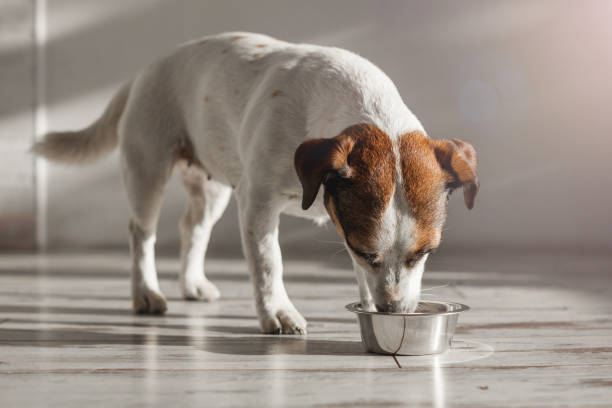
The relationship between humans and dogs is built on thousands of years of co-evolution. We share our homes, our lives, and frequently, our dinner tables. It is a common sight to see a dog sitting patiently under the dining table, hoping for a scrap of food to fall their way. As responsible pet owners, we often want to share the joy we derive from our favorite foods with our furry companions. However, the canine digestive system is fundamentally different from the human system, and what is a culinary delight for us can be a source of significant distress for them.
Among the vast array of human foods, spicy foods—specifically those containing hot chili peppers—present a unique set of challenges. The aroma of a simmering pot of chili, the sizzle of peppers in a stir-fry, or the crunch of a raw jalapeño can be enticing. But before you toss a scrap of spicy pepper to your dog, or allow them to lick a plate that held spicy food, it is imperative to understand the physiological implications.
This guide provides an exhaustive analysis of the effects of hot chili peppers on dogs. We will explore the biological mechanisms at play, the specific risks involved, the symptoms of toxicity and distress, and the appropriate actions to take if your dog accidentally consumes spicy food.
Section 1: The Biological Basics – Canine Physiology vs. Human Physiology
To understand why hot chili peppers are problematic for dogs, we must first understand how their bodies differ from ours.
1.1 The Evolutionary Divergence
Humans are omnivores with a digestive tract designed to process a wide variety of plant and animal matter, including spicy plants. Dogs, while technically omnivores in a broader sense (leaning heavily toward carnivory), have a digestive system that is shorter and more acidic than a human’s, designed primarily for the rapid breakdown of protein and fat.
1.2 The Absence of Spice Tolerance
Humans have cultivated a tolerance to capsaicin (the chemical compound that makes peppers hot) through thousands of years of dietary adaptation. We have developed a psychological appreciation for the “burn” and the endorphin rush that follows. Dogs lack this evolutionary adaptation. Their taste buds are tuned to detect meat, fat, and salt, but they do not have the same receptor density for spices.
1.3 The Sensory Experience
For a dog, the sensation of eating a hot chili pepper is not a flavor; it is a physical assault on the mucous membranes. While humans perceive heat as a flavor profile, dogs experience it as pain and irritation.
Section 2: The Chemical Culprit – Capsaicin
The primary active component in hot chili peppers is capsaicin. This is the compound responsible for the burning sensation when ingested.
2.1 How Capsaicin Works
Capsaicin binds to TRPV1 receptors in the mucous membranes of the mouth, throat, and digestive tract. These receptors are normally activated by heat (thermal pain) to protect tissue from burning. When capsaicin binds to them, it tricks the nervous system into thinking the tissue is physically burning, even though no thermal damage is occurring.
2.2 The Dog’s Reaction
Because dogs have a higher density of these pain receptors in their mouths compared to humans (part of their evolutionary need to avoid ingesting harmful substances), the reaction to capsaicin is immediate and intense. While humans may enjoy the endorphin release that follows the initial burn, dogs do not experience this “pleasure pain” dynamic; they simply experience pain.
2.3 Other Irritating Compounds
Aside from capsaicin, chili peppers contain other compounds like solanine (in varying amounts depending on the pepper type) and essential oils that can be irritating to a dog’s gastrointestinal lining.
Section 3: Immediate Risks and Symptoms
If a dog consumes hot chili peppers, the reaction is usually rapid. The severity depends on the amount consumed, the size of the dog, and the Scoville heat units (SHU) of the pepper.
3.1 Oral Irritation
The first point of contact is the mouth.
- Burning Sensation: The dog will immediately feel a burning sensation on the tongue, gums, and roof of the mouth.
- Excessive Drooling (Ptyalism): This is a defense mechanism. The body produces excess saliva to dilute the irritant and wash it away.
- Pawing at the Mouth: Dogs will often rub their faces against furniture or use their paws to try to scrape the burning sensation away.
- Vocalization: Whining, yelping, or excessive barking may occur due to the sudden pain.
3.2 Gastrointestinal Distress
Once the food reaches the stomach, the capsaicin continues to irritate the lining of the digestive tract.
- Vomiting: This is the most common reaction. The body attempts to expel the irritant. If the pepper was spicy, the vomit may contain mucus and blood in severe cases (though this is rare).
- Diarrhea: As the food moves through the intestines, the capsaicin irritates the lining, causing rapid motility and water retention issues, leading to loose stools.
- Abdominal Pain: You may notice your dog assuming a “prayer position” (front legs down, rear end up) or hunching over due to cramping.
3.3 Respiratory Distress (Aspiration)
In rare cases, if a dog inhales pepper dust or vomits while the pepper is in the esophagus, capsaicin particles can enter the nasal passages and lungs.
- Sneezing and Coughing: This is a reflex to clear the airways.
- Gagging: The dog may gag in an attempt to clear the throat.
- Pneumonitis: In severe cases, inhaling spicy particles can cause inflammation of the lung tissue, though this is uncommon with dietary ingestion.
Section 4: Specific Types of Peppers and Their Risks
Not all peppers are created equal. The risk level varies significantly based on the type of pepper consumed.
4.1 Sweet Bell Peppers (0 SHU)
Bell peppers are the only peppers that lack capsaicin entirely. They have a Scoville heat unit of 0.
- Safety: Generally safe for dogs in moderation.
- Nutritional Value: They are rich in vitamins A, C, and E, and beta-carotene.
- Preparation: They should be fed raw or steamed without seasoning, oil, salt, or garlic. The seeds and stems should be removed as they can be a choking hazard or cause mild intestinal blockage.
4.2 Jalapeños (2,500 – 8,000 SHU)
Jalapeños are a common household pepper.
- Risk: Moderate. While not the hottest pepper, they contain enough capsaicin to cause significant gastrointestinal upset in most dogs.
- Reaction: A small nibble might only cause mild drooling, but a whole jalapeño will likely cause vomiting and diarrhea.
4.3 Serrano Peppers (10,000 – 23,000 SHU)
Serranos are significantly hotter than jalapeños.
- Risk: High. The concentration of capsaicin is much denser.
- Reaction: Increased likelihood of severe stomach cramping and acute diarrhea.
4.4 Habanero and Scotch Bonnet (100,000 – 350,000 SHU)
These are very hot peppers.
- Risk: Very High. Even a small amount can cause intense pain.
- Reaction: Severe oral burning, potential for vomiting that is forceful, and significant abdominal pain.
4.5 Ghost Peppers and Carolina Reaper (1,000,000+ SHU)
These are extreme heat peppers.
- Risk: Extreme. Even a tiny flake can cause distress.
- Reaction: Immediate and intense pain, potential for temporary loss of appetite, and severe gastrointestinal inflammation. While rarely fatal, it is a medical emergency for the dog.
4.6 Processed Pepper Products
- Hot Sauce: Dangerous not only because of capsaicin but also due to high sodium content, vinegar, and often toxic ingredients like garlic or onion powder.
- Chili Powder: Often contains cumin, garlic powder, and onion powder (highly toxic to dogs) in addition to ground chili peppers.
- Pickled Peppers: The vinegar and high salt content make these unhealthy and irritating.
Section 5: The “Cayenne Myth” and Pest Control
A common misconception arises when people use cayenne pepper as a deterrent to stop dogs from chewing furniture or digging in the garden.
Is it safe? While a dog will not typically eat a large amount of cayenne pepper voluntarily (due to the immediate burning sensation), using it as a deterrent has risks:
- Ocular Damage: If a dog gets cayenne powder in their eyes, it causes severe irritation and potential corneal damage.
- Nasal Irritation: Sniffing cayenne pepper can cause sneezing fits and inflammation of the nasal passages.
- Inhalation Risk: If the dog sneezes while the powder is near their nose, it can be inhaled into the lungs, causing respiratory distress.
Verdict: It is better to use positive reinforcement training or commercial, non-toxic bitter sprays rather than cayenne pepper.
Section 6: Toxicity vs. Irritation
It is crucial to distinguish between toxicity and irritation.
6.1 Is Chili Pepper Toxic?
Technically, chili peppers are not “toxic” in the same way chocolate, xylitol, or grapes are. There is no specific compound in the pepper that attacks the dog’s organs or causes systemic failure (like kidney or liver damage). The primary issue is irritation.
6.2 The Lethal Dose
There is no established LD50 (lethal dose) for capsaicin in dogs because it is not a poison; it is an irritant. A dog would likely suffer from severe vomiting and dehydration before the capsaicin itself caused death. However, the secondary effects (choking on vomit, aspiration, or dehydration) can be dangerous.
6.3 When It Becomes an Emergency
While a jalapeño isn’t poison, it can create a medical emergency if:
- The dog is very small (e.g., a Chihuahua eating a whole habanero).
- The dog has a pre-existing condition (pancreatitis, IBD, heart disease).
- The pepper was consumed along with toxic ingredients (onions, garlic, high sodium).
Section 7: What to Do If Your Dog Eats Hot Chili Peppers
If you catch your dog in the act of eating spicy peppers, remain calm. Here is a step-by-step protocol.
Step 1: Assess the Situation
- Identify the Pepper: Was it a bell pepper (safe) or a hot pepper (risky)?
- Quantity: How much was eaten? A crumb vs. a whole pepper makes a difference.
- Dog Size: A Great Dane eating a jalapeño is different from a Yorkie eating one.
- Check Ingredients: Did they eat a prepared food (like a pizza slice or taco) containing peppers? Check for onions, garlic, grapes, or xylitol.
Step 2: Immediate Home Care (For Mild Cases)
If the dog ate a small amount of a mild pepper (like a jalapeño slice) and is acting normally:
- Offer Water: Encourage the dog to drink cool, fresh water. This helps wash the capsaicin off the tongue and soothe the esophagus.
- Offer Dairy: If the dog will eat it, offer a small amount of plain yogurt or milk. Casein, a protein in dairy, binds to capsaicin and helps neutralize the burning sensation (similar to how it works in humans). Note: Only offer dairy if your dog is not lactose intolerant.
- Bland Diet: If the dog seems hungry but you are worried about stomach upset, offer a small amount of plain boiled chicken and white rice. Avoid fatty foods, which can exacerbate pancreatitis.
- Monitor: Watch for the symptoms listed in Section 3.
Step 3: When to Call the Veterinarian
Contact your vet or an animal poison control center immediately if:
- The dog is small: Small dogs are more susceptible to dehydration from vomiting/diarrhea.
- The pepper was extremely hot: Habanero, ghost pepper, or reaper consumption warrants a call.
- Symptoms are severe: Persistent vomiting (more than twice), bloody diarrhea, extreme lethargy, or signs of abdominal pain (whining, inability to get comfortable).
- Pre-existing conditions: If the dog has a history of pancreatitis, gastritis, or heart issues.
- Inclusion of toxic ingredients: If the pepper was part of a dish containing onions, garlic, or high sodium.
Step 4: What NOT to Do
- Do NOT induce vomiting: Unless specifically instructed by a veterinarian. Inducing vomiting after a caustic substance like chili pepper can cause re-inhalation of the irritant into the lungs (aspiration pneumonia) and further damage to the esophagus.
- Do NOT give human medication: Never give your dog Pepto-Bismol, Tums, or pain relievers without veterinary guidance. Many human medications are toxic to dogs (e.g., NSAIDs like ibuprofen can cause gastric ulcers and kidney failure).
Section 8: Long-Term Health Implications
While a single incident of eating a hot pepper is unlikely to cause long-term damage, repeated exposure or chronic consumption can lead to issues.
8.1 Chronic Gastrointestinal Inflammation
Frequent irritation of the stomach lining can lead to chronic gastritis. Symptoms include frequent vomiting, lack of appetite, and weight loss.
8.2 Pancreatitis Risk
Spicy foods are often high in fat (e.g., chili con carne, fried peppers). High-fat meals are a leading trigger for pancreatitis in dogs—a painful and potentially fatal inflammation of the pancreas. Even if the pepper itself isn’t fatty, the spice can compound the inflammation.
8.3 Dysbiosis
The gut microbiome relies on a stable environment. Severe diarrhea caused by spice irritation can disrupt the balance of healthy bacteria, leading to long-term digestive sensitivities.
Section 9: Safe Alternatives and Nutritional Alternatives
If you want to share the experience of eating vegetables with your dog, there are many safe, non-spicy alternatives that provide similar crunch and nutritional benefits.
9.1 Vegetables Safe for Dogs
- Carrots: Excellent for dental health, low calorie, high in beta-carotene.
- Cucumbers: Hydrating and crunchy, great for overweight dogs.
- Green Beans: High in fiber and vitamins, safe raw or steamed.
- Sweet Potatoes: A great source of dietary fiber and vitamins (must be cooked and unseasoned).
- Bell Peppers: As mentioned, these are safe and nutritious.
9.2 Fruits Safe for Dogs
- Apples: (Without seeds) Crunchy and sweet.
- Blueberries: Antioxidant powerhouses.
- Watermelon: Hydrating and safe (without seeds or rind).
9.3 Flavor Enhancers
If you want to add flavor to your dog’s kibble without spice:
- Bone Broth: Adds moisture and flavor; good for joint health.
- Pumpkin Puree: Helps regulate digestion (good for both diarrhea and constipation).
- Plain Cooked Meat: Shredded chicken or turkey (no seasoning).
Section 10: Prevention and Training
The best way to protect your dog from the dangers of spicy food is prevention.
10.1 Kitchen Safety
- Secure Trash Cans: Dogs often scavenge for spicy scraps in the garbage. Use trash cans with locking lids.
- Countertop Discipline: Train your dog to stay off counters and tables where spicy food might be left unattended.
- Child-Proofing: If you have toddlers, they may drop spicy food at dog-level. Be vigilant during mealtimes.
10.2 Training “Leave It”
Teaching your dog the “Leave It” command is invaluable. It allows you to verbally stop your dog from picking up a dropped pepper or other dangerous item.
- Hold a treat in a closed fist.
- Let the dog sniff and paw at it.
- Say “Leave it” only when they pull away.
- Reward with a different treat from your other hand.
10.3 Guest Education
Inform guests that your dog is not to be fed table scraps, especially spicy foods. Many people assume a dog can eat anything, not realizing the pain it causes.
Section 11: Frequently Asked Questions (FAQ)
Q: Can dogs taste spicy food? A: No. Dogs have fewer taste buds than humans (about 1,700 compared to our 9,000). They do not have the receptors to appreciate complex flavors like spice. They register the heat as pain, not flavor.
Q: Will a small amount of hot sauce hurt my dog? A: A tiny lick of hot sauce is unlikely to cause severe harm to a medium or large dog, but it will cause discomfort. However, hot sauce is high in sodium and often contains garlic or onion, which are toxic. It is best to avoid it entirely.
Q: My dog ate a jalapeño and seems fine. Should I worry? A: Some dogs have a higher pain tolerance or a less sensitive stomach. However, symptoms can be delayed. Monitor the dog for 24 hours for signs of gastrointestinal upset. If they remain active and normal, they likely passed the irritant without major issues, but avoid repeating the exposure.
Q: Are chili pepper plants toxic to dogs? A: The Capsicum genus plants are generally considered non-toxic, but the leaves and stems can be irritating to the mouth and stomach if chewed. It is best to keep the plants out of reach.
Q: Can puppies eat peppers? A: Puppies have more sensitive digestive systems and are smaller in size. A spicy pepper can be much more dangerous for a puppy than an adult dog. Avoid giving any spicy food to puppies.
Conclusion
While hot chili peppers are not technically poisonous to dogs, they are far from a safe treat. The capsaicin content causes significant oral and gastrointestinal distress, turning a potential snack into a painful experience. The risks range from temporary discomfort to severe dehydration and complications in dogs with pre-existing health conditions.
As a responsible pet owner, the best approach is to stick to a dog’s natural dietary needs: high-quality protein, healthy fats, and dog-safe vegetables. Bell peppers are an excellent, safe alternative that provides vitamins without the burn. If your dog does manage to sneak a spicy pepper, monitor them closely and contact your veterinarian if symptoms escalate.
Remember, our dogs rely on us to make the right choices for them. Just because we enjoy the heat of the chili pepper doesn’t mean they should share in the burn.
#DogHealth #PetSafety #CanineNutrition #DogLovers #PetCare #DogLife #SpicyFoodWarning #DogWellness #ResponsiblePetOwnership #DogGuide #DogsofInstagram #PetHealth #DogNutrition #SpicyDog #DogLife #PuppyLove #InstaDog #DogCare #PetTips #Doggo #FurryFriends #AnimalWelfare #DogMom #DogDad #CanineHealth #DogFacts #PetHealth #CanineEducation #DogLovers #SpicyFoodChallenge #DogCareTips #AnimalLovers #DogTraining #VetAdvice #DogVlog







Add comment