
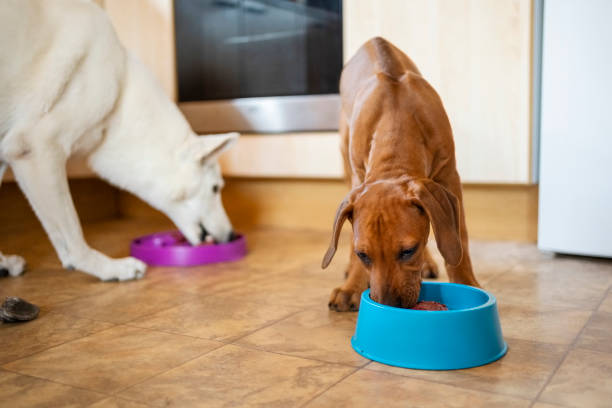
The bond between humans and dogs is ancient and profound. We share our homes, our lives, and often, our dinner tables. As a dog owner, you have likely experienced the pleading eyes of a canine companion staring at you while you eat, hoping for a morsel to drop. While many human foods are safe and even beneficial for dogs in moderation, others range from mildly irritating to highly toxic.
One question that frequently arises in the realm of canine nutrition is: Can my dog eat jalapeños?
The short answer is technically yes—jalapeños are not toxic to dogs in the same way that chocolate, grapes, or onions are. However, the longer, more nuanced answer is that they are generally not recommended. While a single slice might not cause a life-threatening emergency, jalapeños pose several risks related to digestion, discomfort, and long-term health.
This comprehensive guide will explore the anatomy of the jalapeño, its effects on the canine digestive system, potential health risks, benefits (if any), and what to do if your dog accidentally consumes a large quantity.
Section 1: Understanding the Jalapeño
To understand why jalapeños affect dogs the way they do, we must first understand the vegetable itself.
What is a Jalapeño?
The jalapeño (Capsicum annuum) is a medium-sized chili pepper pod member of the nightshade family, Solanaceae. It is a cultivar of the species Capsicum annuum. A mature jalapeño fruit is 5–10 cm long and is typically bright green, though it can turn red if left to ripen fully.
The Active Compound: Capsaicin
The defining characteristic of a jalapeño—and the primary reason it is problematic for dogs—is the presence of capsaicin. Capsaicin is an oily chemical compound that binds to pain receptors in mammals (including humans and dogs), specifically the TRPV1 receptors.
In humans, this binding creates a sensation of heat and spice. We often enjoy this sensation, and our bodies can adapt to it over time. Dogs, however, lack the evolutionary adaptation to capsaicin. Their digestive tracts and sensory systems are far more sensitive to this compound than ours.
Nutritional Profile of a Jalapeño
Before diving into the risks, it is helpful to look at the nutritional content of a raw jalapeño (per 100g):
- Calories: ~29 kcal
- Water: ~92%
- Carbohydrates: ~6g
- Fiber: ~2.8g
- Vitamin C: ~21% of Daily Value (DV)
- Vitamin A: ~12% of DV
- Potassium: ~4% of DV
On paper, some of these nutrients (like Vitamin C and fiber) seem beneficial. However, the presence of capsaicin and the potential for additives in prepared jalapeños negate these benefits.
Section 2: The Canine Digestive System
To understand the impact of jalapeños, we must look at how a dog’s digestive system differs from a human’s.
Sensitivity to Spices
Dogs have a much more sensitive gastrointestinal (GI) tract than humans. While humans have evolved to eat a varied diet that includes spices and seasonings, dogs are primarily carnivores (or facultative carnivores). Their digestive enzymes and gut flora are optimized for proteins and fats, not spicy plant matter.
The TRPV1 Receptor
In dogs, the TRPV1 receptors (which detect heat and pain) are highly sensitive. When capsaicin from a jalapeño binds to these receptors in the mouth, esophagus, and stomach, it sends pain signals to the brain. To a dog, eating a jalapeño isn’t just “spicy”—it feels like a burning sensation that can be distressing and painful.
Lack of Taste Receptors for Spice
Interestingly, dogs lack the specific taste receptors for detecting “heat” or spice. They do not taste the “flavor” of capsaicin; they only feel the physical sensation of pain and burning. This makes the experience purely unpleasant rather than flavorful.
Section 3: Immediate Health Risks of Jalapeños for Dogs
If a dog eats a jalapeño, the effects are usually rapid. The severity depends on the size of the dog, the amount consumed, and whether the pepper is raw, pickled, or processed.
1. Gastrointestinal Upset
The most common reaction to jalapeño consumption is acute gastrointestinal distress. Symptoms include:
- Diarrhea: The capsaicin irritates the lining of the intestines, speeding up transit time and causing loose stools.
- Vomiting: The stomach may reject the spicy irritant, leading to nausea and vomiting.
- Abdominal Pain: Dogs may exhibit whining, restlessness, or a hunched posture due to the burning sensation in their stomach.
2. Excessive Thirst and Drooling
Capsaicin causes a sensation of heat. To combat this, a dog may drink excessive amounts of water, leading to bloating. Additionally, the irritation can cause hypersalivation (drooling) as the body attempts to coat the mouth and throat with mucus to neutralize the burning.
3. Gas and Bloating
Jalapeños are fibrous and contain compounds that can ferment in the gut, leading to excessive gas. While gas is usually uncomfortable rather than dangerous, severe bloating can be a medical emergency (Gastric Dilatation-Volvulus), though this is rare from jalapeños alone.
4. Anal Gland Irritation
Perhaps the most unpleasant side effect for pet owners is the impact on the dog’s rear end. The capsaicin in jalapeños is not fully broken down during digestion. When the dog defecates, the spicy residue can irritate the sensitive skin around the anus. This may cause:
- “Scooting” (dragging the bottom on the floor)
- Excessive licking of the area
- Inflammation or redness
5. Allergic Reactions (Rare)
Though uncommon, some dogs may be allergic to nightshade vegetables. Signs of an allergic reaction include:
- Itching and hives
- Swelling of the face, lips, or tongue
- Difficulty breathing (anaphylaxis)
- Ear infections (chronic reaction)
If your dog shows signs of respiratory distress or facial swelling, seek emergency veterinary care immediately.
Section 4: The Hidden Dangers of Prepared Jalapeños
While a raw jalapeño is problematic, the way humans typically consume jalapeños introduces additional, often more dangerous, ingredients.
1. Pickled Jalapeños (Vinegar and Salt)
Pickled jalapeños are common in sandwiches and nachos. While the vinegar itself is not toxic, the sodium content is dangerously high for dogs.
- Salt Toxicity: Excessive salt can lead to sodium ion poisoning, causing vomiting, diarrhea, tremors, and seizures.
- Acidity: The high vinegar content can exacerbate stomach acid issues, leading to severe acid reflux or gastritis.
2. Jalapeño Poppers (Fat and Dairy)
Jalapeño poppers are typically stuffed with cream cheese, cheddar, and often breaded and deep-fried.
- High Fat Content: A sudden intake of high-fat food can trigger pancreatitis—a painful and potentially fatal inflammation of the pancreas. Symptoms include severe vomiting, lethargy, and abdominal pain.
- Lactose Intolerance: Most adult dogs are lactose intolerant. The dairy in poppers can cause severe bloating, gas, and diarrhea.
3. Spicy Chips and Snacks (Processed Jalapeños)
Many processed foods containing jalapeños (like jalapeño chips or flavored nuts) contain:
- Onion and Garlic Powder: These are toxic to dogs and can cause damage to red blood cells.
- Artificial Preservatives: These can be hard on a dog’s liver and kidneys.
- High Caloric Density: Obesity risk increases significantly with processed snacks.
4. Dried Jalapeños
Dried jalapeños (chips or flakes) are concentrated. A small amount contains a higher dose of capsaicin than a fresh pepper. Additionally, dried peppers can be a choking hazard or cause an intestinal blockage if swallowed whole by larger dogs.
Section 5: Are There Any Benefits?
Proponents of human foods often look for nutritional upsides. Let’s analyze if there are any benefits to feeding a dog jalapeños.
Vitamin C and Antioxidants
Jalapeños are rich in Vitamin C and antioxidants. While dogs can synthesize their own Vitamin C (unlike humans), supplemental Vitamin C can sometimes support the immune system, particularly in older dogs or those under stress. However, the amount of Vitamin C in a small slice of jalapeño is negligible compared to safer sources like bell peppers or blueberries.
Metabolism
Capsaicin is known to slightly boost metabolism in humans. However, there is no scientific evidence to suggest this benefit translates to dogs, and the digestive distress caused by the spice outweighs any potential metabolic boost.
The Verdict on Benefits
The risks vastly outweigh the benefits. If you want to provide your dog with Vitamin C or antioxidants, safe vegetables like red bell peppers (which are sweet and non-spicy), carrots, or cucumbers are far superior choices. These offer the nutrients without the pain of capsaicin.
Section 6: Specific Scenarios and Considerations
Can Puppies Eat Jalapeños?
No. Puppies have developing digestive systems that are even more sensitive than adult dogs. A puppy’s small body mass also means that even a tiny amount of salt (from pickled jalapeños) or capsaicin can have a more pronounced effect. Additionally, puppies are more prone to dehydration from diarrhea.
Small Breeds vs. Large Breeds
Size matters significantly.
- Small Breeds (Chihuahua, Yorkie, Pomeranian): A single slice of jalapeño can cause significant distress in a dog under 10 pounds. The risk of choking on the pepper skin is also higher.
- Large Breeds (Labrador, German Shepherd): A large dog might tolerate a tiny piece of raw jalapeño without severe symptoms, but it is still not recommended. The risk of gastrointestinal upset remains.
Dogs with Pre-existing Conditions
If your dog has any of the following conditions, jalapeños are strictly off-limits:
- Pancreatitis History: High-fat jalapeño dishes (poppers) are dangerous.
- Gastrointestinal Sensitivity: Dogs with IBS or sensitive stomachs will react poorly.
- Kidney or Heart Disease: The sodium in pickled jalapeños can exacerbate these conditions.
- Anal Gland Issues: Dogs prone to anal gland impaction should avoid anything that irritates the rectal lining.
Section 7: What to Do If Your Dog Eats Jalapeños
Accidents happen. Perhaps your dog stole a slice of pizza or got into the trash. Here is a step-by-step guide on how to react.
Step 1: Assess the Amount and Type
- Raw vs. Processed: Did they eat a raw jalapeño from the garden, or a jalapeño popper covered in cheese and bacon? The latter is more concerning due to fat and lactose.
- Quantity: One small slice is different from eating a whole pepper.
- Size of Dog: A Great Dane eating one pepper is less concerning than a Toy Poodle eating the same amount.
Step 2: Monitor for Symptoms
Watch your dog closely for the next 24 hours. Look for:
- Vomiting or retching
- Diarrhea (check for blood)
- Excessive drooling
- Pawing at the mouth
- Lethargy or restlessness
- Signs of abdominal pain
Step 3: Hydration
Ensure your dog has access to plenty of fresh water. The burning sensation and potential diarrhea can lead to dehydration. Do not force-feed water, but encourage drinking.
Step 4: Bland Diet
If your dog experiences mild stomach upset (soft stool or mild gas) but is otherwise acting normal, switch them to a bland diet for 24–48 hours.
- Recipe: Boiled chicken breast (no skin or bones) and white rice.
- Portion: Small, frequent meals rather than one large meal.
Step 5: When to Call the Vet
Seek veterinary attention immediately if:
- Severe Symptoms: Persistent vomiting (more than twice), bloody diarrhea, or extreme lethargy.
- Signs of Pancreatitis: Hunched back, repeated vomiting, refusal to eat.
- Choking or Blockage: If the dog swallowed a large piece of pepper whole and is gagging or unable to breathe.
- Toxic Additives: If the jalapeño was part of a dish containing onions, garlic, or high levels of salt.
- Allergic Reaction: Swelling of the face or difficulty breathing.
Section 8: Safe Alternatives to Jalapeños
If you want to share a vegetable snack with your dog that has a bit of crunch or color, skip the jalapeños and try these safe alternatives:
1. Red Bell Peppers
These are the safest pepper option for dogs. They are sweet, non-spicy, and packed with Vitamins A, C, and E. They can be fed raw (cut into small pieces) or steamed.
2. Cucumbers
Low in calories and high in water content, cucumbers are excellent for hydration and weight management. They offer a satisfying crunch without any spice.
3. Carrots
Raw or steamed carrots are fantastic for dental health (scraping plaque) and are rich in beta-carotene. They are naturally sweet and generally well-tolerated.
4. Green Beans
Plain green beans (steamed or raw) are a great source of fiber and vitamins. They are often used as a filler for dogs on weight-loss diets.
5. Pumpkin
Plain, canned pumpkin (not pie filling) is excellent for digestive health. It can firm up loose stools or aid in regularity due to its fiber content.
Section 9: Prevention and Training
The best way to keep your dog safe is prevention.
Counter Surfing and Trash Security
Jalapeños are often found on countertops (ripening) or in trash cans (after making salsa or poppers). Ensure your trash has a secure lid and that counters are kept clear of spicy foods.
Training “Leave It”
Teaching your dog the “Leave It” command is invaluable. This command tells your dog to ignore a dropped item or forbidden object. Reward them with a high-value treat (like a piece of chicken or their kibble) when they successfully ignore a tempting jalapeño.
Educating Family and Guests
Inform family members and guests that table scraps are not allowed, especially spicy foods. Many dogs are fed toxic foods by well-meaning visitors who don’t understand the risks.
Safe Gardening
If you grow jalapeños in a garden, ensure the area is fenced off or that your dog is supervised when outside. Dogs are curious and may chew on plants out of boredom.
Section 10: The Myth of “A Little Bit Won’t Hurt”
A common argument among dog owners is, “My dog ate a little bit and was fine.” While this may be true, it is based on anecdotal evidence and luck.
- Thresholds Vary: Every dog has a different sensitivity threshold. What causes mild gas in one dog may cause severe vomiting in another.
- Cumulative Effects: Repeated exposure to spicy or fatty foods can lead to chronic inflammation of the digestive tract, increasing the risk of long-term conditions like inflammatory bowel disease (IBD).
- The Slippery Slope: Giving a dog a small taste of jalapeño normalizes the behavior. The dog may then beg for more spicy food, increasing the likelihood of them consuming a dangerous amount later.
Veterinarians generally recommend adhering to the “better safe than sorry” principle. There are zero nutritional requirements for capsaicin in a dog’s diet, so there is no physiological reason to offer it.
Conclusion
So, can your dog eat jalapeños? Technically, yes, they are not poisonous. However, practically and medically, the answer is no.
Jalapeños offer no significant nutritional benefits to dogs that cannot be obtained from safer, more digestible sources. Instead, they introduce capsaicin, which causes pain, burning, and gastrointestinal distress. Furthermore, the way jalapeños are typically prepared (pickled, fried, or processed) introduces additional dangers like excessive salt, fat, and toxic seasonings.
As responsible pet owners, it is our job to advocate for our dogs’ well-being. While those pleading eyes at the dinner table are hard to resist, offering a slice of cucumber or a piece of boiled chicken is a far kinder and healthier choice than sharing a spicy jalapeño. When in doubt, always consult your veterinarian regarding your dog’s specific dietary needs.
#DogHealth #CanineNutrition #JalapeñosAndDogs #PetSafety #DogDiet #SpicyFoodPets #DogLovers #VeterinaryAdvice #DogWellness #HumanFoodForDogs #DogHealth #DogLife #CanineCare #Jalapeño #PetSafety #DogNutrition #DogsofInstagram #PuppyLove #DogFood #SpicyDog #PetHealth #DogTips #InstaDog #Doggo #FurryFriends #DogFacts #CanineEducation #DogHealthTips #JalapeñosForDogs #PetCare #DogDiet #AnimalLovers #DogTraining #VeterinaryGuide #SpicyFoodChallenge #DogVlog #PetSafety #HealthyDogs #DogBehavior







Add comment