
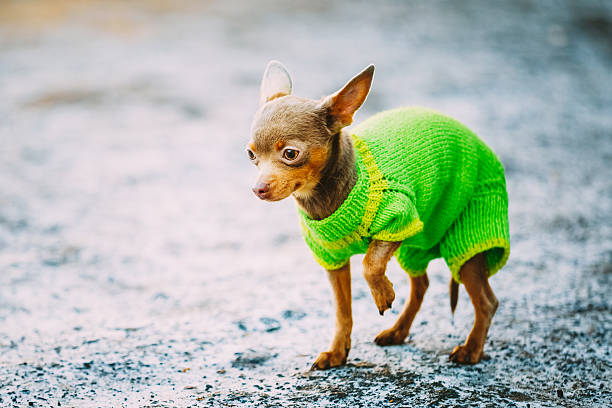
The bond between humans and dogs is ancient, but the sharing of food is a modern complexity. As pet owners, we often find ourselves tempted by the pleading eyes of our canine companions as we snack. One of the most common pantry staples found in nearly every refrigerator is the pickle. A crunchy, salty, tangy delight for humans, the pickle presents a complex question for dog owners: Is it safe?
The short answer is: It depends. While a plain cucumber is generally safe and even healthy for dogs, the transformation of that cucumber into a pickle involves ingredients that can range from harmless to hazardous. The answer lies not in the vegetable itself, but in the brine, the spices, the preservation methods, and the individual health of your dog.
This comprehensive guide will dissect every aspect of this topic. We will explore the anatomy of a pickle, the nutritional impact of sodium, the dangers of specific spices like garlic and onion, and the differences between various types of pickles. By the end of this 3500-word guide, you will be equipped with the knowledge to make an informed decision about sharing this crunchy snack with your furry friend.
Chapter 1: Understanding the Pickle
What is a Pickle?
Technically, a pickle is any food preserved in a brine solution or vinegar. However, in common vernacular, a pickle almost always refers to a pickled cucumber. Cucumbers are members of the gourd family (Cucurbitaceae) and are composed of about 96% water. They contain small amounts of Vitamin K, potassium, and magnesium.
When a cucumber is fresh, it is low in calories, low in sodium, and safe for dogs. However, the pickling process fundamentally alters its chemical composition.
The Pickling Process
There are two primary methods of pickling:
- Fermentation (Lacto-fermentation): Cucumbers are submerged in a saltwater brine. Naturally occurring bacteria convert sugars into lactic acid, which preserves the cucumber and gives it a tangy flavor. This method creates natural probiotics but introduces high sodium levels.
- Vinegar Pickling (Quick Pickling): Cucumbers are submerged in a solution of vinegar, water, salt, and sugar. This method halts bacterial growth through acidity rather than fermentation.
Regardless of the method, the resulting product is significantly different from a raw cucumber.
Chapter 2: Nutritional Analysis for Dogs
To understand if pickles are safe, we must analyze their nutritional profile compared to a dog’s dietary needs.
1. Water Content
Pickles are high in water (roughly 90-95%), which is beneficial for hydration. However, the high sodium content can counteract this benefit by causing dehydration.
2. Fiber
Cucumbers (and pickles) contain fiber, which aids in digestion. However, the fiber content is relatively low compared to other vegetables like pumpkin or sweet potato.
3. Vitamins and Minerals
- Vitamin K: Essential for blood clotting. Pickles retain some Vitamin K from the cucumber.
- Vitamin A: Present in small amounts.
- Calcium and Phosphorus: Trace minerals present in the cucumber flesh.
- Antioxidants: Cucumbers contain flavonoids and tannins, which are antioxidants. However, the pickling process (especially heat processing) can degrade some of these sensitive compounds.
4. The Caloric Content
A single dill pickle spear contains only about 5-10 calories. From a weight management perspective, this is negligible. However, the caloric density of the brine can be higher due to added sugar in some recipes.
5. The Sodium Overload
This is the most critical nutritional factor.
- Human Limit: The recommended daily sodium intake for humans is around 2,300 mg.
- Canine Limit: The recommended daily sodium intake for dogs is roughly 100 mg per cup of water consumed (or approximately 20-40 mg per 10 lbs of body weight per day).
- The Pickle Reality: A single medium dill pickle can contain 800 to 1,200 mg of sodium.
The Math: A 20-pound dog requires roughly 100–200 mg of sodium daily. Eating just one pickle spear could exceed their daily limit by 500% to 1000%.
Chapter 3: The Safety Breakdown – Ingredients Matter
Not all pickles are created equal. To determine safety, we must analyze the ingredients list of the specific pickle in question.
1. The Brine Base: Vinegar and Salt
- White Vinegar: Generally safe for dogs in small amounts. It is acidic and can upset the stomach if consumed in large quantities, but it is not toxic.
- Salt: While essential for life, excessive salt is dangerous. We will explore “Sodium Ion Poisoning” in detail later.
- Sugar: Some pickles (like bread and butter pickles) contain significant sugar. Sugar is not toxic to dogs, but it contributes to obesity, dental issues, and diabetes. It offers no nutritional value.
2. Flavorings and Spices
This is where the danger zones open up.
Garlic and Onion (The Red Zone)
Many pickle recipes, especially “garlic dill” or “spicy” varieties, include garlic cloves or onion slices.
- Toxicity: Garlic and onions belong to the Allium family. They contain organosulfoxides, which are toxic to dogs.
- Mechanism: These compounds oxidize hemoglobin in red blood cells, leading to Heinz body anemia. This reduces the blood’s ability to carry oxygen.
- Cumulative Effect: While a single slice of garlic in a jar might seem small, toxicity can be cumulative. For a small dog, even a small amount of garlic-infused brine can be dangerous.
- Verdict: Avoid any pickle containing garlic, onions, shallots, or chives.
Dill (The Safe Herb)
Dill weed is generally safe for dogs and is often used in canine herbal remedies for digestion and bad breath. If the pickle is flavored solely with dill and salt, it is safer than those flavored with garlic.
Spicy Peppers (Jalapeños, Cayenne)
Spicy pickles contain capsaicin.
- Effect: Capsaicin causes a burning sensation. Dogs have fewer taste buds for capsaicin than humans, but their digestive tracts are sensitive.
- Reaction: Ingestion can lead to gastrointestinal upset, vomiting, diarrhea, and excessive thirst. It is not typically fatal but is painful and unnecessary for the dog.
Mustard Seeds
Mustard seeds are often used in pickling spice. While small amounts of mustard are not toxic, large amounts can cause gastrointestinal irritation. Mustard seeds contain compounds that can be irritating to the mucous membranes of the stomach.
Xylitol (The Silent Killer)
While rare in traditional pickles, some “diet” or “sugar-free” pickles may use xylitol as a sweetener.
- Toxicity: Xylitol is extremely toxic to dogs. It causes a rapid release of insulin, leading to hypoglycemia (low blood sugar), seizures, liver failure, and death.
- Verdict: NEVER feed a dog anything containing xylitol.
Chapter 4: Specific Types of Pickles and Their Safety Profile
Let’s categorize common pickle varieties to assess their risk levels.
1. Dill Pickles (Classic)
- Ingredients: Cucumbers, water, vinegar, salt, dill, garlic (often), mustard seeds.
- Safety Rating: Moderate Risk.
- Analysis: The primary concern is sodium and the potential presence of garlic. If you find a garlic-free dill pickle, a tiny piece (1/4 inch) might be acceptable for a large dog, but the sodium remains an issue.
2. Sweet Pickles (Bread and Butter)
- Ingredients: Cucumbers, vinegar, sugar, salt, spices (often turmeric and mustard).
- Safety Rating: Low to Moderate Risk.
- Analysis: The high sugar content makes these less ideal for diabetic or overweight dogs. They are generally safer regarding garlic/onion toxicity (unless specified), but the sugar and sodium combination is a poor nutritional choice.
3. Kosher Dill Pickles
- Ingredients: Similar to dill pickles but often with garlic and peppercorns.
- Safety Rating: Moderate to High Risk.
- Analysis: “Kosher” style often implies a stronger garlic presence. These are typically high in sodium and garlic, making them less safe.
4. Polish Pickles (Ogórki Kiszone)
- Ingredients: Fermented cucumbers, salt, garlic, dill, horseradish, mustard seeds.
- Safety Rating: High Risk.
- Analysis: These are fermented and often contain significant garlic and high salt levels. The fermentation creates probiotics, which are good for humans, but the garlic and salt content negate the benefits for dogs.
5. Sweet Gherkins
- Ingredients: Small cucumbers, sugar, vinegar, spices.
- Safety Rating: Low Risk (Nutritionally).
- Analysis: These are small, so portion control is easier. However, they are calorie-dense due to sugar. They usually lack garlic, making them chemically safer than dill pickles, but the sugar content is a downside.
6. Pickled Beets, Eggs, or Onions
- Safety Rating: Unsafe.
- Analysis:
- Pickled Onions: Highly toxic due to the onion content.
- Pickled Beets: Generally safe in tiny amounts (beets are high in sugar/oxalates), but the brine is the issue.
- Pickled Eggs: High in fat and cholesterol; the egg itself is safe, but the brine is salty.
7. Homemade Pickles
- Safety Rating: Variable.
- Analysis: Homemade pickles allow you to control ingredients. You can omit garlic, reduce salt, and avoid xylitol. If you make pickles specifically for your dog (using cucumber, water, a splash of vinegar, and dill), they are much safer than store-bought varieties.
Chapter 5: The Health Risks of Feeding Pickles
Even if a pickle is free of toxic ingredients, the physical and physiological effects on a dog must be considered.
1. Sodium Ion Poisoning (Hypernatremia)
This is the most immediate and common risk associated with pickles.
- Symptoms:
- Excessive thirst and urination.
- Vomiting.
- Diarrhea.
- Tremors or seizures.
- Elevated body temperature.
- Coma (in severe cases).
- Mechanism: High sodium levels in the blood draw water out of cells to balance the osmotic pressure. This causes cells to shrink, particularly brain cells, leading to neurological dysfunction.
- Treatment: Immediate veterinary intervention is required, usually involving intravenous fluids to dilute the sodium levels slowly.
- Scenario: A small dog eating a whole pickle is a veterinary emergency. A large dog eating a tiny slice may only experience increased thirst.
2. Gastrointestinal Upset
The acidity of vinegar and the irritation of spices can disrupt the delicate balance of a dog’s stomach.
- Acidity: Vinegar lowers the pH of the stomach. While dogs produce stomach acid naturally, an influx of vinegar can cause acid reflux, gastritis, or vomiting.
- Spices: Spices like black pepper, red pepper, and mustard seeds can irritate the lining of the stomach and intestines, leading to painful cramping and diarrhea.
3. Pancreatitis
Pancreatitis is an inflammation of the pancreas caused by high-fat foods or rich ingredients.
- Relevance: While pickles are not high in fat, the brine is often consumed with the pickle. If the pickle is served fried (e.g., fried pickles) or with a fatty dip, the risk of pancreatitis increases significantly.
- Symptoms: Severe abdominal pain, lethargy, vomiting, and loss of appetite. Pancreatitis can be fatal and requires immediate veterinary care.
4. Dehydration Loop
Because of the high salt content, eating a pickle triggers thirst. If fresh water is not available, or if the dog consumes too much salt too quickly, dehydration can occur rapidly. This is exacerbated if the dog is active or if the weather is hot.
5. Choking Hazard
Pickles are crunchy and can be slippery.
- Whole Pickles: Never feed a whole pickle to a dog. The size poses a choking hazard, and if swallowed, it can cause an intestinal blockage.
- Large Chunks: Even large chunks can be difficult to chew and may lodge in the throat, especially in brachycephalic (flat-faced) breeds like Pugs or Bulldogs.
Chapter 6: Breed and Size Considerations
The safety of a pickle is heavily dependent on the size of the dog.
Small Breeds (Chihuahua, Yorkie, Toy Poodle)
- Risk Level: High.
- Reasoning: Their low body weight means that even a small amount of sodium can be toxic. A 5-pound dog requires only about 50mg of sodium daily. A single slice of a pickle can contain 100-200mg.
- Verdict: Avoid pickles entirely. The risk of sodium poisoning outweighs any minor nutritional benefit.
Medium Breeds (Beagle, Cocker Spaniel, Bulldog)
- Risk Level: Moderate.
- Reasoning: These dogs can tolerate slightly more sodium, but the risk of gastrointestinal upset remains.
- Verdict: A tiny piece (1/4 inch) of a garlic-free, low-sodium pickle might be acceptable as a rare treat, but it is not recommended.
Large and Giant Breeds (Labrador, Great Dane, Mastiff)
- Risk Level: Low to Moderate (relative to size).
- Reasoning: Their larger blood volume dilutes sodium more effectively. A Great Dane can handle a small slice of pickle better than a Chihuahua.
- Verdict: A small slice is unlikely to cause toxicity, but the acidity and spices can still cause stomach upset. Monitor for vomiting or diarrhea.
Puppies
- Risk Level: Very High.
- Reasoning: Puppies have developing digestive systems and lower body weights. They are more susceptible to dehydration and sodium imbalances.
- Verdict: Do not feed pickles to puppies.
Senior Dogs
- Risk Level: High.
- Reasoning: Older dogs often have compromised kidney function. The kidneys are responsible for filtering excess sodium. A senior dog with early kidney disease cannot handle high salt loads.
- Verdict: Avoid pickles.
Chapter 7: Medical Conditions and Drug Interactions
Certain pre-existing health conditions make pickles a dangerous choice.
1. Kidney Disease
The kidneys filter waste and excess sodium from the blood. If a dog has chronic kidney disease (CKD), their ability to excrete sodium is impaired. Feeding a pickle can cause fluid retention, hypertension (high blood pressure), and further kidney damage.
2. Heart Disease
Dogs with congestive heart failure are often on diuretics (water pills) to manage fluid buildup. Sodium counteracts these medications. High sodium intake can lead to fluid accumulation in the lungs (pulmonary edema) or abdomen (ascites), which is life-threatening.
3. Hypertension (High Blood Pressure)
While less common in dogs than humans, hypertension can occur. High sodium intake exacerbates this condition, putting strain on the heart and blood vessels.
4. Diabetes
While a single slice of pickle won’t spike blood sugar significantly (unless it’s a sweet pickle), establishing a habit of high-sugar or high-salt treats is detrimental to diabetic management.
5. Cushing’s Disease
Dogs with Cushing’s disease already have elevated cortisol levels, which can lead to sodium retention. Adding dietary sodium complicates this condition.
6. Medication Interactions
- Diuretics (Furosemide): These drugs deplete potassium. While pickles contain some potassium, the high sodium content is counterproductive.
- ACE Inhibitors (Enalapril, Benazepril): Used for heart disease and kidney disease. These can increase potassium levels (hyperkalemia). While pickles are not high in potassium compared to bananas, the salt content can worsen the underlying condition requiring the medication.
Chapter 8: The “Safe” Pickle – Can We Make One?
If you are determined to share a pickle-like treat with your dog, the safest route is to make a “dog-safe” version at home.
Recipe: Dog-Friendly “Pickle” Spears
Ingredients:
- 1 large organic cucumber (washed and sliced into spears).
- 1 cup water.
- 1 tablespoon apple cider vinegar (optional, for mild tang).
- 1 teaspoon fresh chopped dill.
- NO SALT (or a tiny pinch, less than 1/8 tsp for the whole batch).
- NO GARLIC, NO ONION, NO SUGAR.
Instructions:
- Slice the cucumber into spears appropriate for your dog’s size.
- Mix the water and vinegar (if using).
- Soak the cucumbers in the solution for 30 minutes to an hour in the fridge.
- Remove and pat dry.
- Sprinkle with fresh dill.
Why this works: You get the crunch and hydration of a cucumber with a hint of tang and herb flavor, without the toxic or excessive sodium load.
Chapter 9: What to Do If Your Dog Eats a Store-Bought Pickle
Accidents happen. Maybe your dog stole a pickle off the counter or snatched one that fell on the floor.
Step 1: Assess the Amount and Size
- How big is the dog?
- How much of the pickle was eaten (a whole jar vs. one slice)?
- What type of pickle was it (garlic dill vs. sweet gherkin)?
Step 2: Check for Toxic Ingredients
Read the label immediately. If the pickle contains garlic, onion, or xylitol, contact your veterinarian or an animal poison control center immediately, regardless of the amount eaten.
Step 3: Monitor for Symptoms
Watch for the following signs over the next 24 hours:
- Mild: Excessive thirst, increased urination, mild soft stool.
- Moderate: Vomiting, diarrhea, lethargy, lack of appetite.
- Severe: Tremors, seizures, uncoordinated walking, collapse.
Step 4: Hydration
Encourage your dog to drink fresh water. Do not force water, but ensure it is available. This helps flush the sodium from their system.
Step 5: When to Call the Vet
- If the dog ate a significant amount (e.g., a whole large dill pickle).
- If the dog is small (under 10 lbs).
- If the pickle contained garlic, onion, or xylitol.
- If symptoms like vomiting, diarrhea, or lethargy appear.
- If the dog has pre-existing heart or kidney conditions.
Chapter 10: Alternatives to Pickles
If your dog loves the crunch of a pickle, there are safer, healthier alternatives that provide similar texture without the risks.
1. Fresh Cucumber Slices
This is the best alternative. Cucumbers are low-calorie, low-sodium, and hydrating.
- Benefits: High water content, crunchy texture, contains Vitamin K and potassium.
- Preparation: Wash thoroughly, peel if waxed, and slice into appropriate sizes.
2. Zucchini
Zucchini offers a similar crunch and is rich in antioxidants and fiber.
- Benefits: Low calorie, good for digestion.
- Preparation: Can be served raw or steamed.
3. Carrots
Carrots are a classic dog treat.
- Benefits: High in beta-carotene (Vitamin A), crunchy, good for dental health.
- Note: High in natural sugars, so feed in moderation, especially for diabetic dogs.
4. Bell Peppers
Red, yellow, or green bell peppers (not spicy jalapeños) are safe.
- Benefits: High in Vitamin C and antioxidants.
- Preparation: Remove seeds and stems; serve raw or steamed.
5. Green Beans
Fresh or frozen (unseasoned) green beans are excellent.
- Benefits: High fiber, low calorie, satisfying crunch.
- Note: Canned green beans must be “no salt added.”
6. Dehydrated Sweet Potato Chews
For a chewy, long-lasting treat.
- Benefits: Natural sweetness, high fiber, no additives if homemade.
- Preparation: Slice thin and dehydrate in the oven at a low temperature.
Chapter 11: Frequently Asked Questions (FAQ)
Q: Can dogs eat pickle juice? A: No. Pickle juice is essentially concentrated salt water with vinegar and spices. It is extremely high in sodium and acidity. Even a small lap of pickle juice can cause significant gastrointestinal distress and sodium toxicity in small dogs.
Q: Are fried pickles safe? A: No. Fried pickles are coated in batter and deep-fried in oil. This introduces high fat content, which can trigger pancreatitis. The batter often contains seasonings (garlic/onion powder) that are toxic. The frying process also makes the pickle harder to digest.
Q: Can dogs eat cornichons? A: Cornichons are small pickles, usually gherkins. They are often pickled with sugar, salt, and sometimes tarragon or mustard. While small, they are still high in sodium and sugar. A single cornichon is less dangerous than a large dill pickle for a medium dog, but it still offers no nutritional value and poses a risk of stomach upset.
Q: What about pickle popsicles? A: These are frozen treats made from pickle juice. They are designed for humans and contain high sodium. They are not safe for dogs.
Q: My dog seems to crave salt. Is that normal? A: Dogs can crave salt, but this is usually a sign of dehydration or an electrolyte imbalance. If your dog is constantly seeking salty foods, consult a vet to rule out underlying health issues like Addison’s disease (which can cause salt craving) or kidney problems.
Q: Can pickles help with an upset stomach? A: There is a folk remedy that suggests pickle juice helps with nausea or cramps in humans due to the vinegar and electrolytes. However, for dogs, the acidity and salt are more likely to cause an upset stomach than cure it. Do not use pickles as a home remedy for dog illness.
Chapter 12: The Verdict
After analyzing the nutritional profile, ingredient risks, and physiological effects on dogs, the verdict is clear.
Can my dog eat pickles? Technically, yes, a dog can eat a small piece of a plain dill pickle without immediate fatal consequences (provided it contains no garlic, onion, or xylitol).
Should my dog eat pickles? No.
While a tiny sliver of a garlic-free pickle is unlikely to harm a large, healthy dog, it offers no nutritional benefits and carries significant risks of sodium overload and gastrointestinal upset. The potential for toxicity from spices and the lack of dietary necessity make pickles a poor choice for canine consumption.
The safest and healthiest approach is to stick to fresh vegetables like cucumbers, carrots, and green beans. These provide the crunch and hydration dogs love without the dangerous baggage of salt and spices.
Final Recommendation: Keep the pickles in your sandwich and out of your dog’s bowl.
#DogHealth #CanineNutrition #PetSafety #DogTreats #DogLovers #PetCare #DogFoodGuide #HealthyDogs #DogLife #Pickles #DogFacts #VetAdvice #DogOwnerTips #PetHealth #Doggo #DogsofInstagram #PetHealth #DogNutrition #DogTreats #HealthyPets #DogLife #CanineCare #DogMom #DogDad #PetSafety #DogGuide #InstaDog #DogLove #PicklesForDogs #DogWellness #VetApproved #DogFacts #PetTips #DoggoGram #FurryFriends #DogFacts #PetCare #DogHealth #CanineNutrition #DogTreats #DogLovers #PetSafety #DogTraining #DogVlog #DogAdvice #HealthyDogs #DogFood #Pickles #DogReaction #DogEducation #PetHealth #DogLife #AnimalLovers #DogChannel #VetTalk




Add comment